
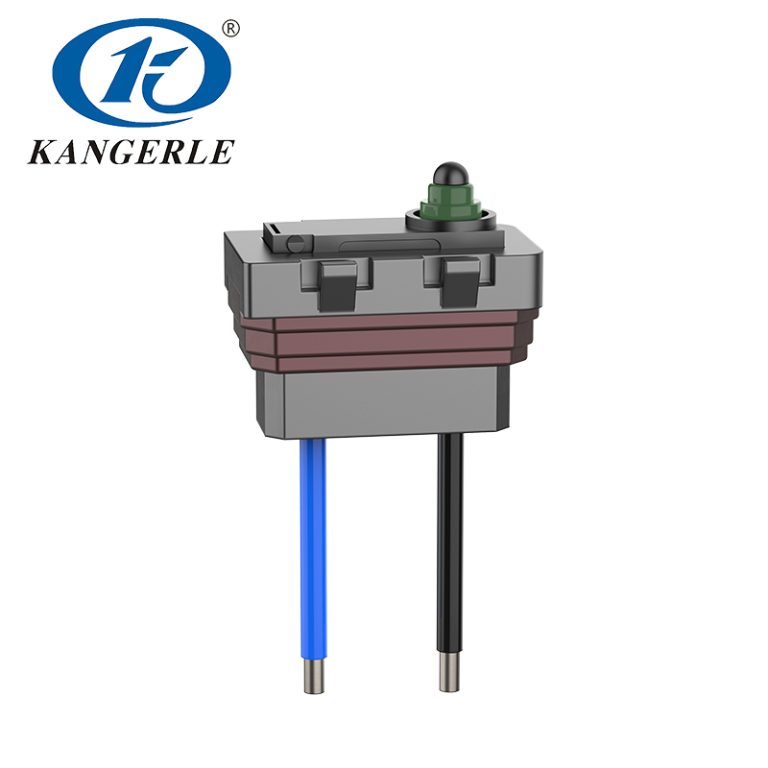
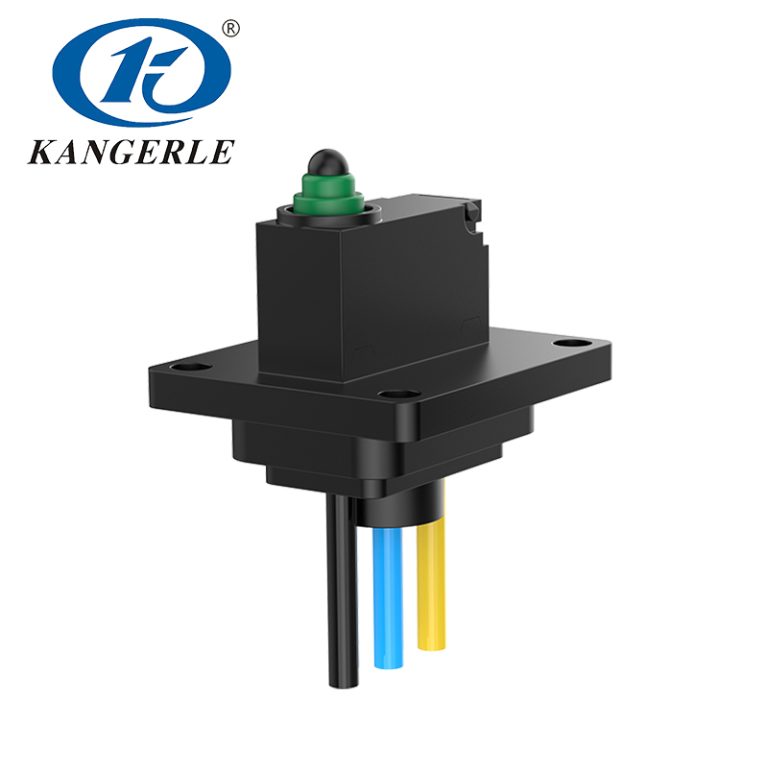
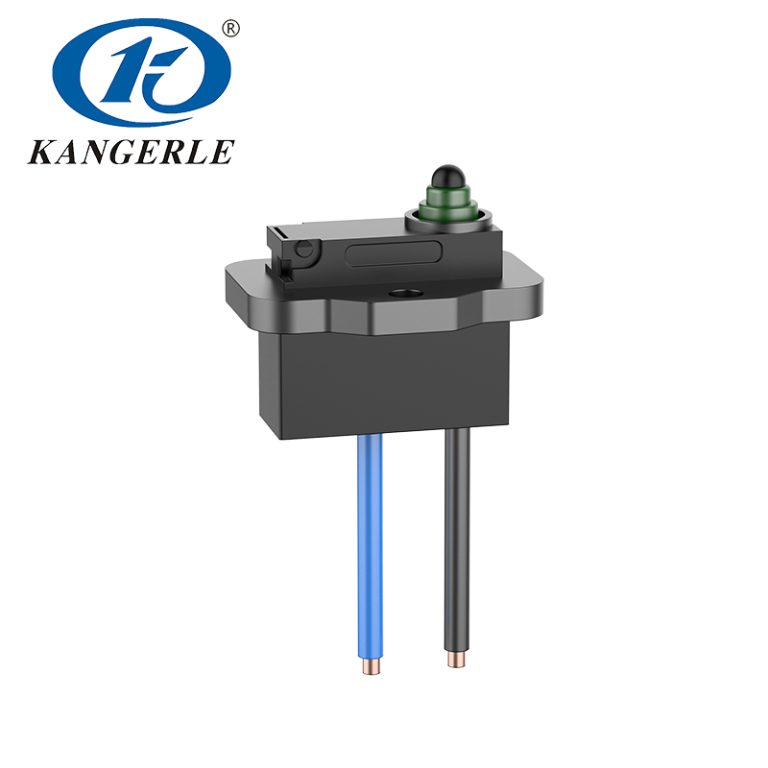

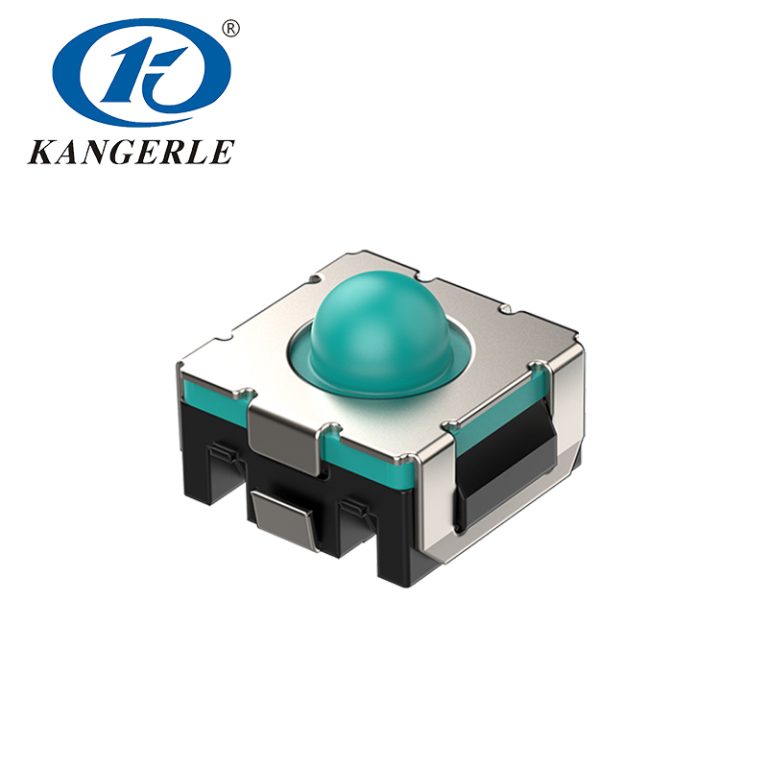
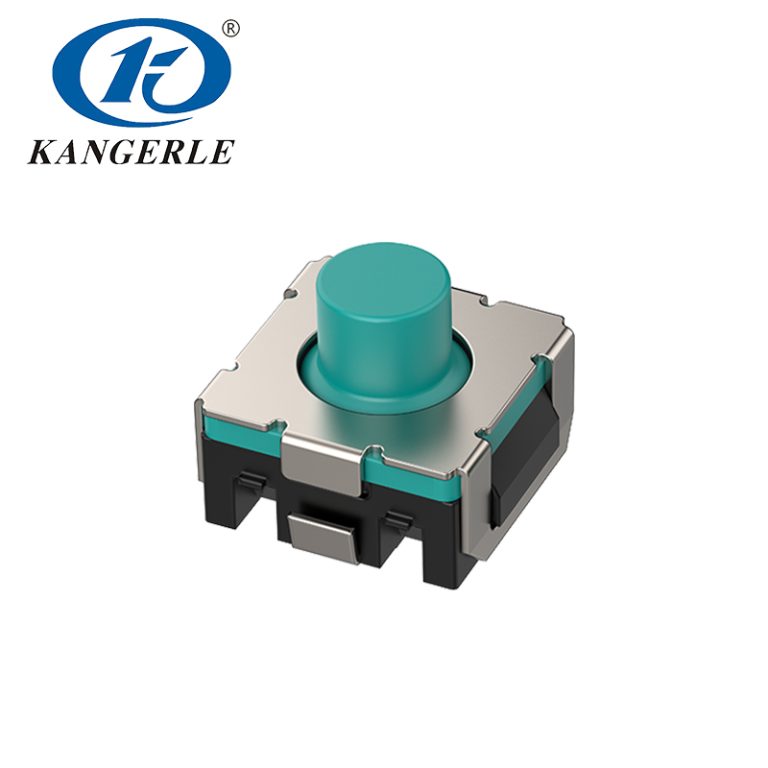
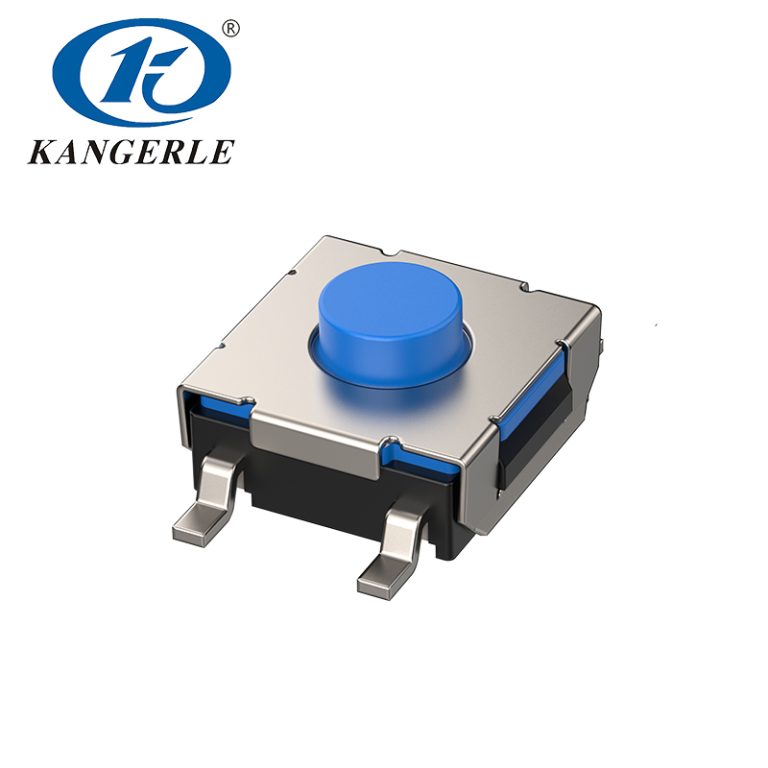
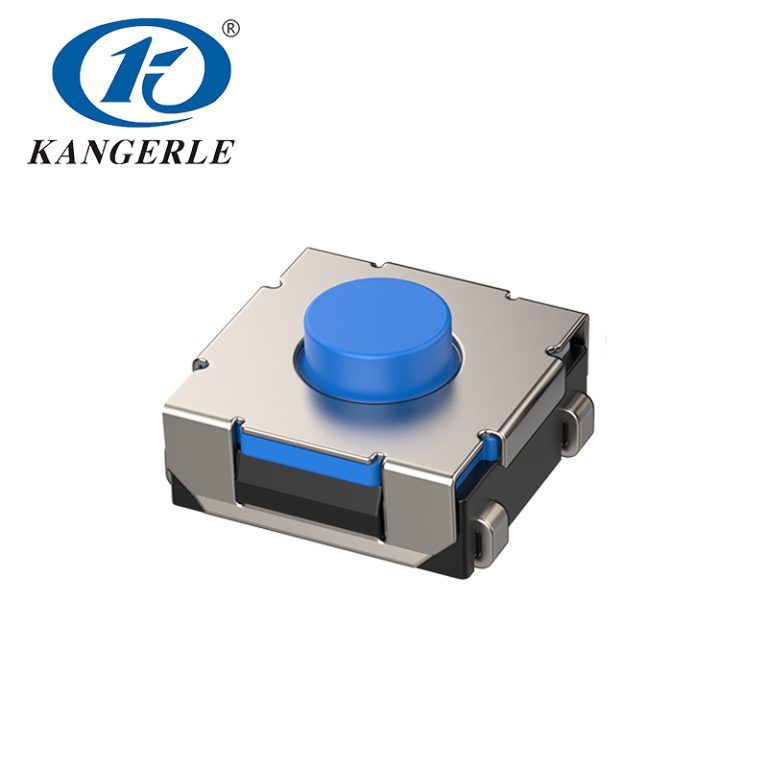

In today’s automation setups, getting position detection right is key for machines to run safely and steadily. A small part that helps a lot with this is the limit switch. You will find it in industrial machines, conveyor lines, home appliances, and many electronic devices. Limit switches spot movement, set mechanical limits, and stop equipment from getting damaged.
A limit switch is an electrical switch that turns on when something physically moves against it. When an object hits a set position, the switch’s actuator gets pressed. This makes the inside contacts change state and send an electrical signal. Many small limit switch designs use micro switch technology. That is because it reacts fast, feels small changes well, and lasts a long time.
Knowing how limit switches work, what features they offer, and where they get used helps engineers pick the right switch for each machine.
Che cos'è un interruttore di fine corsa?
A limit switch is an electromechanical device that finds the position or movement of mechanical parts. Sensors often use light or magnets to detect objects. A mechanical limit switch works differently. It needs direct physical contact to start the switching action.
The main job of a limit switch is to turn mechanical movement into an electrical signal. When a machine part reaches a certain point, the actuator moves. This changes the position of the inside contacts. The signal can then control motors, relays, PLC systems, or safety circuits.
A typical limit switch has four main parts:
| Component | Funzione |
|---|---|
| Attuatore | Receives mechanical movement from equipment |
| Contact mechanism | Opens or closes the electrical circuit |
| Housing | Protects internal components |
| Terminali | Connect the switch to external circuits |
Limit switches get used a lot in industrial automation. They give solid position feedback without needing complex control systems. This simple approach makes them easy to install and dependable over time.
How Does a Limit Switch Work?
The working idea of a limit switch rests on mechanical activation and electrical contact change.
Mechanical Activation Process
When a moving part touches the actuator, force moves to the inside mechanism. Common actuator types include:
- Plunger actuator
- Roller lever actuator
- Long lever actuator
- Short lever actuator
Different actuator designs let limit switches work in many settings. For example, a roller lever limit switch often appears on conveyor systems. It can detect moving objects smoothly without stopping the line.
Electrical Contact Switching
Inside the switch, the movement starts a snap action mechanism. This part quickly changes the contact position. It cuts down slow switching and improves electrical stability.
Common circuit setups include:
| Tipo di circuito | Funzione |
|---|---|
| SPST-NO | Normally open contact |
| SPST-NC | Normally closed contact |
| SPDT | Single pole double throw switching |
The snap action design also shows up often in micro switches. It gives fast operation, steady switching performance, and fewer contact problems during repeated use. This quick change helps keep signals clear even when the machine runs for long hours.
Key Features of Limit Switches

A good limit switch should give accurate detection, steady operation, and fit different uses. Several features decide how well it performs.
Fast Response with Snap Action Technology
One big plus of a snap action switch is its quick contact movement. The inside mechanism does not change position slowly. Instead, it switches fast once it reaches the operating point.
This feature helps cut:
- Contact arcing
- Switching delay
- Signal instability
For automated equipment that runs thousands of times each day, fast switching response matters a lot. It keeps the whole system reliable and reduces wear on the contacts.
Compact Design and High Reliability
Many modern limit switches use micro switch structures. These give a small size while still offering solid electrical performance.
A miniature micro switch can fit into tight installation spaces. At the same time it supports tough uses such as:
- Industrial machines
- Utensili elettrici
- Electronic equipment
- Communication devices
- Automotive electronics
The small size does not mean weak performance. These switches still handle repeated cycles without losing accuracy.
Long Mechanical Life
Industrial equipment needs parts that can handle repeated use. A solid limit switch should keep steady performance after many mechanical cycles.
For example, KW3 micro switch models feature a mechanical life of up to 1,000,000 operations. They are built for uses that need frequent switching. This long life helps cut downtime and replacement costs over the years.
Flexible Configuration Options
Different machines need different ways to install the switch. Limit switches come with various:
- Terminal types
- Actuator styles
- Operating forces
- Circuit structures
This range lets engineers pick a suitable switch based on space limits, electrical needs, and working conditions. The right choice makes the whole system work better and last longer.
Types of Limit Switches and Their Applications
Limit switches come in several designs that match the working environment.
Roller Lever Limit Switch
A roller lever limit switch uses a rotating lever. It works well for detecting moving objects because the roller lowers friction during use.
Typical applications include:
- Conveyor systems
- Packaging machines
- Material handling equipment
The smooth action helps the switch last longer on high-speed lines.
Plunger Limit Switch
A plunger type limit switch starts with direct pressing force. It is often used where exact position detection is needed.
Applications include:
- Machine tools
- Assembly equipment
- Position control systems
The direct press gives clear feedback and works well in tight spaces.
Micro Switch Limit Switch
A micro switch is a small type of limit switch that uses a snap action mechanism. It offers high sensitivity with only a short operating travel.
Micro switches are often used in:
- Home appliances
- Electrical equipment
- Automation devices
- Utensili elettrici
Their small size and quick response make them a good fit for many everyday and industrial products.
Limit Switch vs Micro Switch: What Is the Difference?
People sometimes use the terms limit switch and micro switch as if they mean the same thing. Yet they have different traits.
| Caratteristica | Interruttore di finecorsa | Microinterruttore |
|---|---|---|
| Main purpose | Position detection | Precise switching control |
| Misurare | Usually larger | Compact structure |
| Activation | Mechanical movement | Small mechanical movement |
| Applicazione | Industrial machinery | Electronics, appliances, automation |
A micro switch can work as a limit switch when small size and high sensitivity are needed. Many industrial designs mix limit switch jobs with micro switch technology. This mix brings accurate and steady control in a compact package.
KW3 Micro Switch for Reliable Limit Switch Applications
The KW3 Micro Switch is a common switching part for uses that need small size, high sensitivity, and strong current handling. It uses snap action technology and offers several circuit options. These include SPDT, SPST-NO, and SPST-NC setups.
The KW3 series supports different actuator and terminal designs. This lets it meet many equipment needs. Key characteristics include:
| Caratteristica | Specifiche |
|---|---|
| Carico nominale | 0.1-16A 125/250VAC; 0.1-10A 36VDC |
| Tipo di circuito | SPDT/SPST NO/SPST NC |
| Vita meccanica | Fino a 1.000.000 di cicli |
| Resistenza al contatto | ≤50mΩ |
| Applicazioni | Appliances, automation equipment, power tools |
A KW3 micro switch can be used in equipment that needs steady position detection and repeated switching. Common uses include power tools, household appliances, industrial control equipment, and electronic devices. The flexible design helps it fit many different machines without major changes.
Common Applications of Limit Switches

Limit switches appear across many industries because of their simple structure and dependable performance.
Automazione industriale
In automated production lines, limit switches help machines find the start and end position of moving parts. They are often placed on:
- CNC machines
- Robotic systems
- Conveyor equipment
- Assembly machines
These switches give clear signals that keep the process running smoothly and safely.
Elettrodomestici
Compact micro switches are widely used in household products. Examples include:
- Microwave ovens
- Coffee machines
- Washing machines
- Vacuum cleaners
They help detect door positions, button actions, and mechanical movement. This keeps everyday devices safe and easy to use.
Automotive and Electronic Equipment
Limit switches and micro switches also appear in automotive electronics, control panels, and safety systems. Accurate switching is needed in these places, and the simple design of a limit switch meets that need well.
Informazioni su ZHEJIANG KANGERLE ELECTRONICS CO. LTD
ZHEJIANG KANGERLE ELECTRONICS CO. LTD is a manufacturer that focuses on research, development, and production of switching components. The company offers a wide range of products. These include micro switches, waterproof micro switches, detector switches, tact switches, rocker switches, slide switches, push button switches, and connectors.
With years of experience in switch manufacturing, KANGERLE works to provide solid switching solutions for industrial equipment, household appliances, automotive electronics, and custom uses. The company supports OEM and ODM services. This helps customers develop products that match specific electrical, mechanical, and installation needs.
Its product range covers different application needs. It goes from compact micro switches to special switching solutions for tough environments. The focus stays on quality and practical performance so that each switch can do its job for a long time.
Conclusione
Limit switches stay an important part in modern control systems. They give steady position detection, fast response, and simple mechanical operation. From industrial automation equipment to everyday appliances, these switches help improve safety, accuracy, and machine performance.
Choosing the right limit switch depends on factors such as electrical load, actuator type, working environment, and service life needs. For uses that need small size and dependable switching performance, micro switch solutions such as the KW3 series offer practical options for various industries. Taking time to match the switch to the job leads to better results and fewer problems later.
FAQ
What is a limit switch used for?
A limit switch is used to detect the position or movement of mechanical parts. It can control machine operation, provide safety protection, and send position signals to control systems.
How does a limit switch work?
A limit switch works by using mechanical movement to activate internal electrical contacts. When the actuator is pressed, the switch changes circuit status and sends an electrical signal.
Qual è la differenza tra un interruttore di fine corsa e un microinterruttore?
A limit switch is mainly designed for position detection, while a micro switch is a compact snap action switch designed for precise and fast electrical switching. A micro switch can also be used in limit switch applications.
Why are KW3 micro switches widely used?
KW3 micro switches are popular because they offer compact size, multiple circuit options, strong current capability, long mechanical life, and flexible actuator configurations for different applications.
How should a limit switch be selected?
The selection depends on electrical rating, actuator type, installation space, operating environment, and required mechanical life. Choosing a suitable switch design helps improve equipment reliability.