


In the world of product design and manufacturing, especially for appliances, smart devices, and industrial equipment, the smallest components often have the biggest impact on user experience and reliability. Micro switches, also known as miniature snap-action switches, are those unsung heroes embedded deep within door locks, control panels, battery packs, and safety systems. These tiny devices handle millions of operations without fanfare, but when they fail, the consequences can ripple through your entire product line—damaging brand reputation long before issues with larger components like PCBs or enclosures come to light.
This comprehensive guide delves into Micro-Switches 101, covering everything from their fundamental workings to advanced types, real-world applications, selection criteria, and sourcing best practices. Tailored for engineers, buyers, product managers, and decision-makers, it provides actionable insights to help you choose reliable components and forge partnerships with trustworthy manufacturers. By the end, you’ll understand not just how these switches function, but why investing in quality micro switches is crucial for long-term success in competitive markets. Whether you’re designing the next smart home gadget or scaling industrial machinery, this guide equips you with the knowledge to make informed decisions.
What Is a Micro Switch?
At its core, a micro switch is a compact, electromechanical device designed to detect physical changes and trigger electrical responses with remarkable precision. It operates on a snap-action mechanism, where a small actuator—such as a lever, button, plunger, or roller—initiates a rapid state change. When force is applied, an internal spring-loaded arm “snaps” the contacts from one position to another, ensuring a clean, instantaneous switch without arcing or bouncing that could degrade performance over time.
The beauty of micro switches lies in their key attributes:
- High Repeat Accuracy: They consistently activate at the exact same point, often within microns, making them ideal for applications requiring precise positioning.
- Fast Switching Speed: The snap-action allows for quick transitions, essential in high-speed control systems or detection scenarios.
- Exceptional Durability: Rated for hundreds of thousands to over a million mechanical cycles, these switches endure rigorous use. For instance, according to industry standards from manufacturers like Omron and Honeywell, electrical life can extend to 100,000 operations under rated loads, while mechanical life often surpasses 10 million cycles in low-load scenarios.
Despite their diminutive size—typically ranging from 10mm to 30mm in length—micro switches handle a broad spectrum of electrical ratings. From low-level signals (e.g., 5V DC at milliamps) for sensor feedback to higher power loads (up to 21A at 250V AC in robust models), they adapt to diverse needs. Environmental resilience is another hallmark; variants operate in temperatures from -40°C to +150°C, with options for high-humidity or corrosive settings. This versatility stems from materials like silver or gold-plated contacts, which minimize resistance and ensure stable performance.
Invented in the 1930s by Peter McGall, micro switches revolutionized automation by providing reliable, low-force actuation. Today, they underpin modern electronics, evolving with advancements in materials science and miniaturization to meet the demands of IoT and smart manufacturing.
Key Types of Micro Switches
Micro switches aren’t one-size-fits-all; they come in specialized families to suit various design constraints and environments. Based on leading manufacturers’ portfolios, such as those from Kangerle, Honeywell, and Cherry, here’s a detailed overview.
| Micro Switch Family | Typical Size & Shape | Typical Uses | Main Benefits | Key Manufacturers |
|---|---|---|---|---|
| Standard | Medium body (20-30mm), pin plunger or lever | Home appliances, power tools, office devices | Balanced ratings, high durability, cost-effective | Omron, Honeywell, Kangerle |
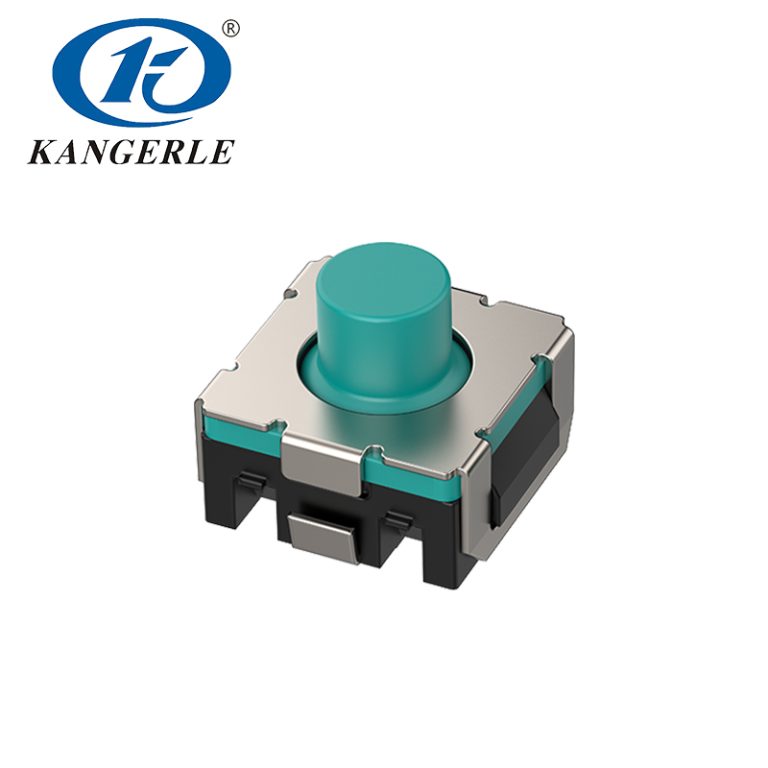
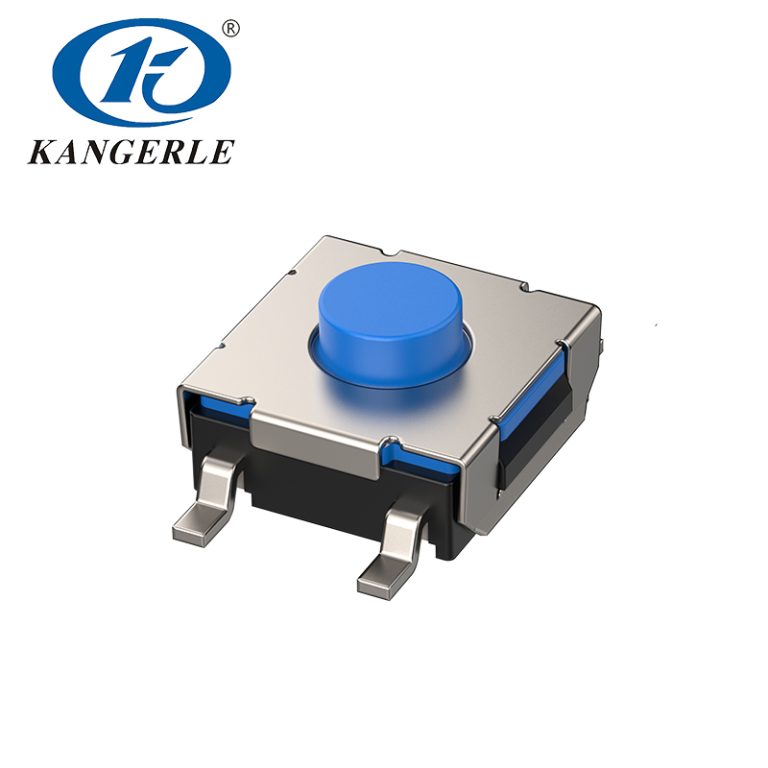
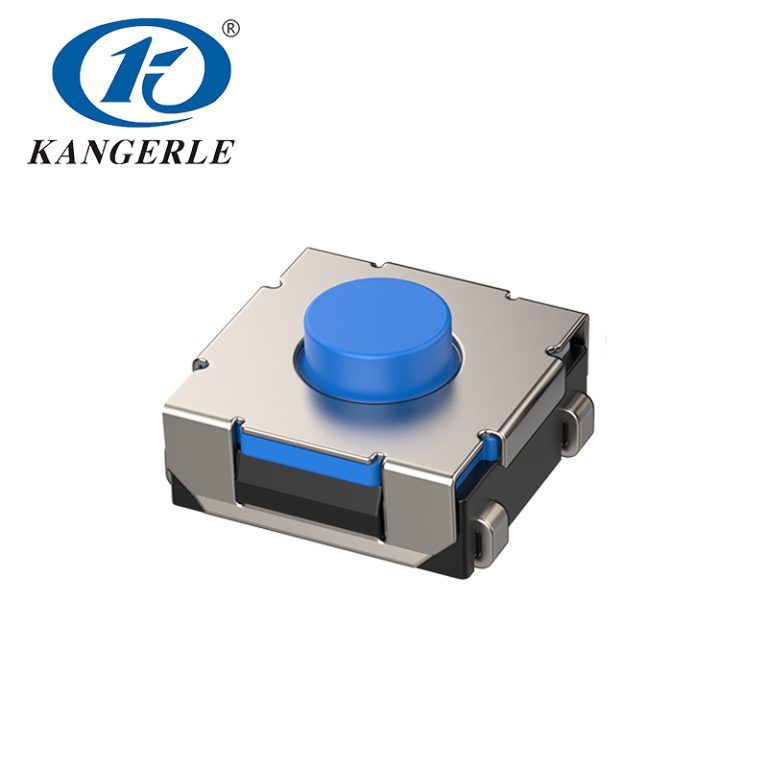
| Sub-miniature & Miniature | Compact footprint (10-20mm), short lever or pin | Consumer gadgets, peripherals, medical devices | Space-saving, low operating force, lightweight | Cherry, Alps, Kangerle |
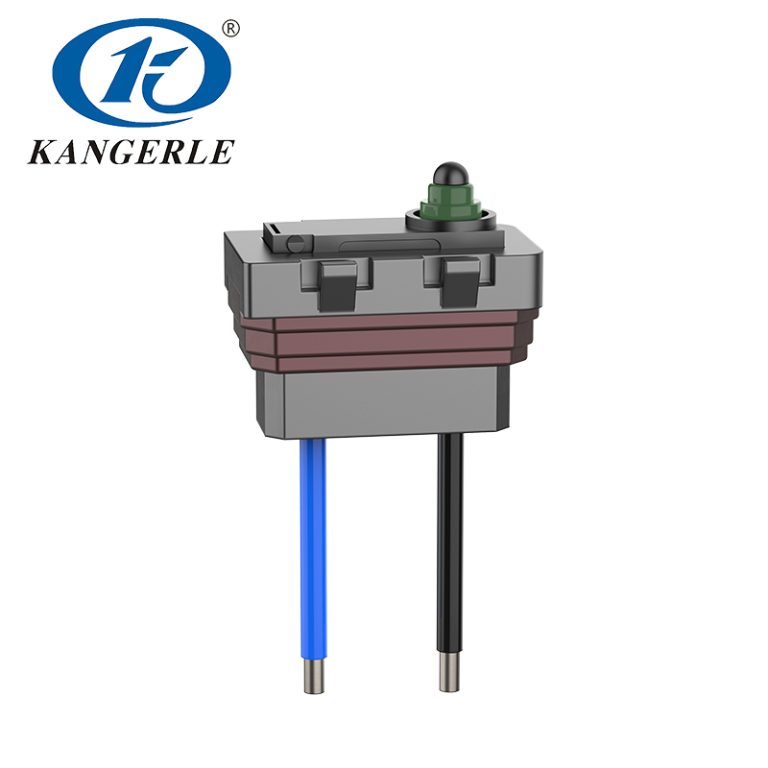
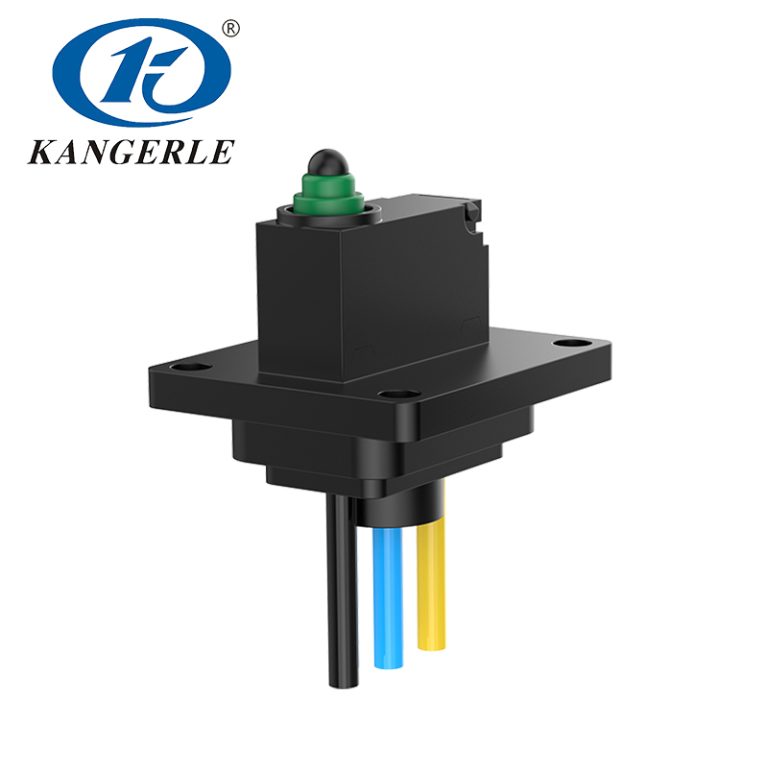
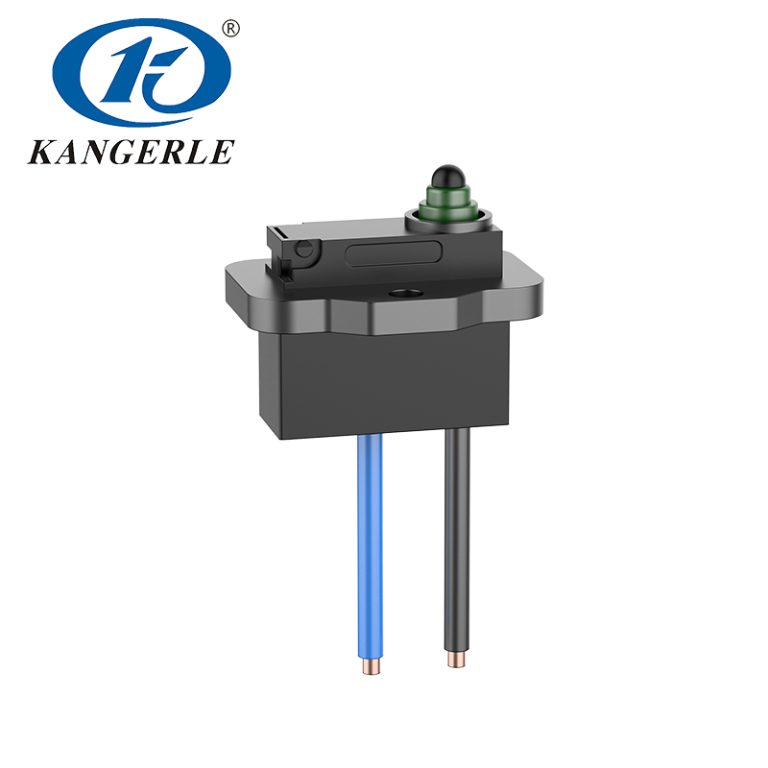
| Waterproof / Dustproof | Sealed housing, often with leads or boots | Outdoor gear, automotive, industrial harsh sites | IP67/IP68 protection, corrosion resistance | Crouzet, Schurter, Kangerle |
| Detector / Limit | Extended actuators, long levers or rollers | Position sensing, interlocks, automation | High sensitivity, adjustable travel | Burgess, Saia, Kangerle |
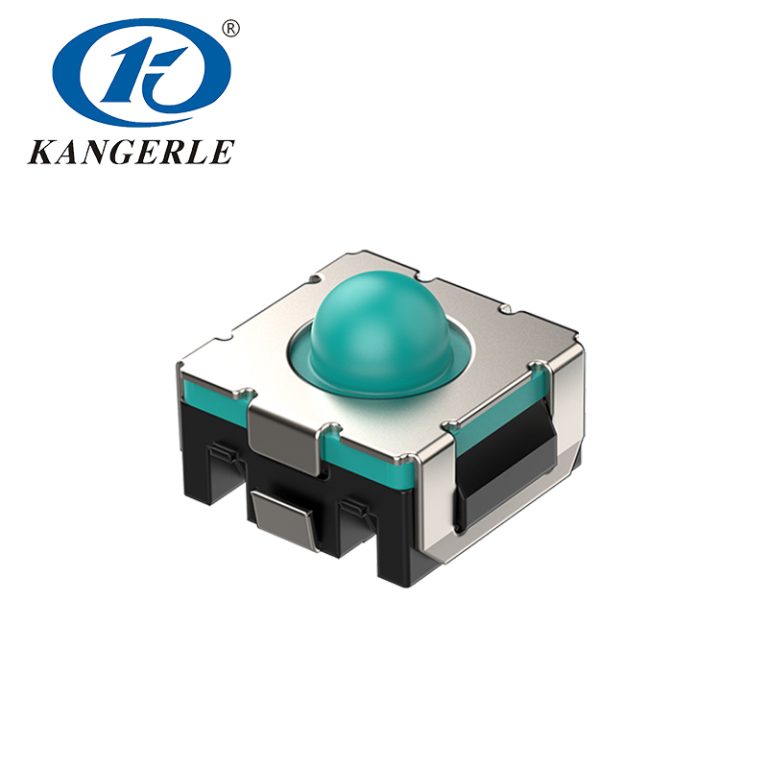
| Tact & Push Button | Low-profile, panel-mount or SMD | User interfaces, keypads, handheld tools | Excellent tactile feedback, easy integration | Panasonic, C&K, Kangerle |
Each type supports configurations like Single Pole Double Throw (SPDT) for versatile circuit control or Single Pole Single Throw (SPST) in Normally Open (NO) or Normally Closed (NC) modes, allowing for fail-safe designs.
Standard Micro Switches
As the foundational type, standard micro switches excel in general-purpose applications where reliability trumps extreme miniaturization. They feature a robust metal or plastic housing, with actuators requiring 50-500 grams of force. Electrical ratings often reach 15A at 250V AC, supporting direct control of motors or heaters in appliances like refrigerators or vacuum cleaners. Their popularity in high-volume production stems from economies of scale and proven longevity, making them a staple for brands aiming for affordability without sacrificing quality.
Miniature and Sub-Miniature Switches
For space-constrained designs, these variants shrink the form factor while preserving core functionality. Sub-miniature models, often under 15mm, are perfect for portable electronics like smartphones, wearables, or drone controls. They typically handle lower currents (up to 3A) to avoid overheating in confined spaces, with light actuation forces (as low as 20 grams) for sensitive inputs. In medical devices, such as infusion pumps, their compact size enables seamless integration without bulky enclosures.
Waterproof and Dustproof Micro Switches
Engineered for adversity, these switches incorporate silicone seals, O-rings, or epoxy potting to achieve IP ratings up to IP68, withstanding immersion or high-pressure jets. Common in automotive applications—like EV charging stations or door modules—they resist vibration, temperature swings, and contaminants. Kangerle’s sealed lines, for example, maintain performance in -25°C to +85°C environments, ideal for outdoor tools or marine equipment.
Detector and Limit Switches
Specializing in non-contact sensing, these use elongated actuators to detect mechanical limits or positions. In robotics or conveyor systems, they provide feedback on arm extensions or part alignments with micron-level precision. Adjustable levers allow customization, enhancing safety in machinery by preventing over-travel.
Tact and Push Button Variants
Blending micro switch tech with user-friendly interfaces, these offer crisp feedback for buttons in remotes, keyboards, or HMIs. Low-profile designs facilitate PCB mounting, with lifespans up to 1 million actuations. They ensure consistent “click” feel, boosting perceived quality in consumer products.
Where Micro Switches Show Up in Real Life

Micro switches permeate everyday technology, often invisibly enhancing functionality and safety. In household appliances, they secure door interlocks in washing machines (preventing spins with open lids), detect water levels in dispensers, and control settings in ovens or microwaves. For automotive and mobility, they’re integral to brake lights, seatbelt sensors, pedal positions, and EV battery management systems, where failure could compromise safety.
In security and access control, micro switches trigger alarms in door sensors, enable biometric locks, and monitor tampering in smart doorbells. The communication and IT sector relies on them for printer paper detection, network switch resets, and laptop power buttons. Industrially, they facilitate control systems in elevators (limit detection), CNC machines (position feedback), and assembly lines (safety interlocks).
Emerging applications include IoT devices, where micro switches integrate with sensors for smart homes, and renewable energy systems like solar trackers. Their role as the “first touchpoint” means they directly influence user perceptions— a smooth actuation builds trust, while inconsistencies erode it.
How to Choose the Right Micro Switch for Your Design
Selecting the optimal micro switch involves a systematic approach, balancing technical specs with practical considerations. Here’s an expanded checklist:
- Electrical Requirements Assess load: Kangerle models span 0.1A at 12V DC for signals to 16A at 250V AC for power. Opt for SPDT in complex circuits for redundancy; SPST for basics. Contact materials like gold plating suit low-voltage to prevent oxidation.
- Mechanical Fit and Actuation Evaluate space: Measure housing constraints and actuator compatibility (e.g., roller for sliding doors). Forces range from 50g for touch-sensitive to 400g for robust applications; test prototypes for feel.
- Environment and Lifetime Factor in extremes: High-temp variants for automotive (up to 150°C), sealed for IP67 in wet areas. Aim for 500,000+ cycles; derate for inductive loads to extend life.
- Compliance, Quality, and Best Practices Ensure certifications: UL for safety, RoHS for environmental compliance, IATF16949 for automotive. Best practices include simulating real-world conditions in testing and sourcing from ISO-certified factories to minimize defects.
- Customization and ODM/OEM Support For unique needs, collaborate on custom actuators or wiring. Providers like Kangerle offer rapid prototyping, reducing time-to-market.
Why Micro Switch Choices Shape Your Brand
Beyond functionality, micro switches embody your brand’s commitment to quality. Reliable ones foster user trust through consistent performance, reducing complaints like “unresponsive buttons.” They lower service costs by minimizing warranties—industry data shows switch failures account for 15-20% of appliance returns. In B2B, dependable suppliers enhance partnerships, enabling scalability. Ultimately, these “hidden” components amplify reputation, turning satisfied users into loyal advocates.
Zhejiang Kangerle Electronics Co., Ltd: A Dedicated Micro Switch Supplier
Established in the early 1990s, Zhejiang Kangerle Electronics Co., Ltd has specialized in switches for over three decades, evolving into a global player. Their 20,000 m² facility in Zhejiang employs over 20 engineers and produces 50 million pieces monthly, covering micro, detector, limit, rocker, slide, tact, and push button switches.
Certified under ISO9001:2015 and IATF16949:2016, Kangerle ensures automotive-grade quality, with approvals like UL, TUV, CE, CB, CQC, and RoHS. Their ODM/OEM expertise supports customization, from lever modifications to full assemblies, making them ideal for brands in appliances, security, automotive, and IT. In 2025’s market, Kangerle’s focus on innovation—such as eco-friendly materials—positions them among top manufacturers like Omron and Honeywell.
Conclusion
Mastering micro switches—from their snap-action principles to diverse types and applications—empowers you to design products that excel in reliability and user satisfaction. By mapping requirements to families like standard or waterproof, and prioritizing specs like ratings and durability, you mitigate risks. Partnering with specialists like Kangerle not only secures quality components but transforms these essentials into strategic assets, driving brand loyalty and market success in an increasingly connected world.
FAQs
What does “Micro-Switches 101: Types, Applications, and More” cover?
It encompasses basics like operation and snap-action, detailed types (standard to waterproof), applications across industries, and practical selection/sourcing tips for projects.
Standard vs. Waterproof?
Standard suits dry, indoor use for cost savings; waterproof (IP67+) is essential for moisture-prone or outdoor environments to prevent failures.
Key Specs on Data Sheets?
Focus on current/voltage ratings, configuration, force/travel, life cycles, temperature range, and certifications for compliance.
How Do They Help Branding?
Consistent, reliable switches build trust, cut returns, and signal quality, enhancing overall product perception and customer retention.
Specialized Supplier Benefits?
Experts like Kangerle provide deep customization, faster iterations, and certified quality over generics, streamlining development and ensuring long-term reliability.