
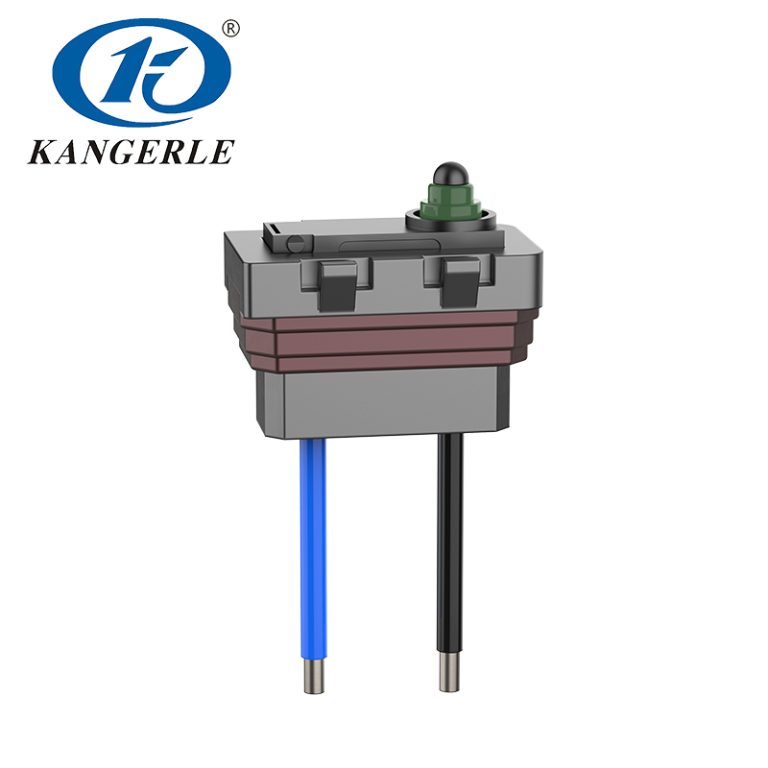
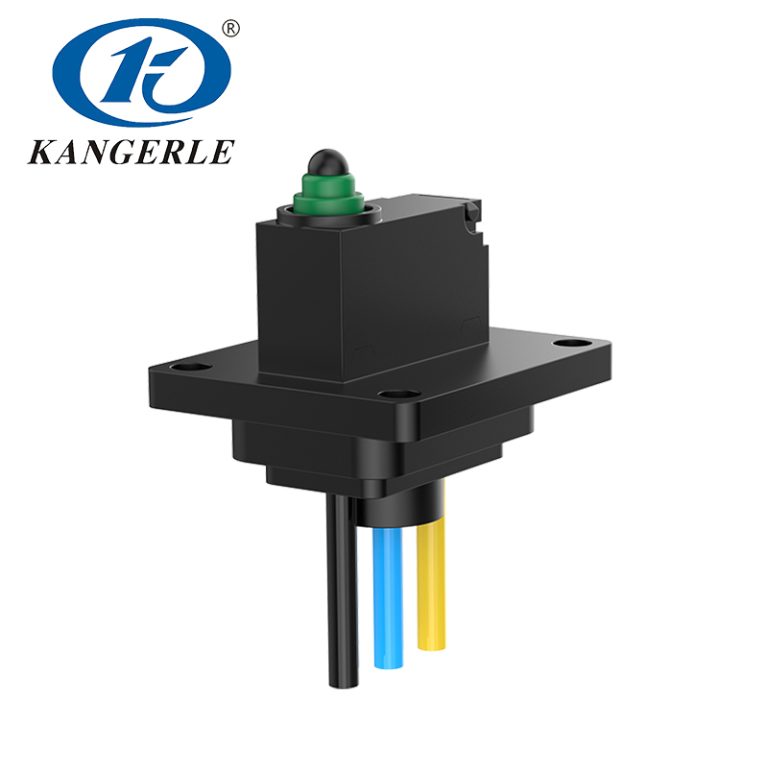
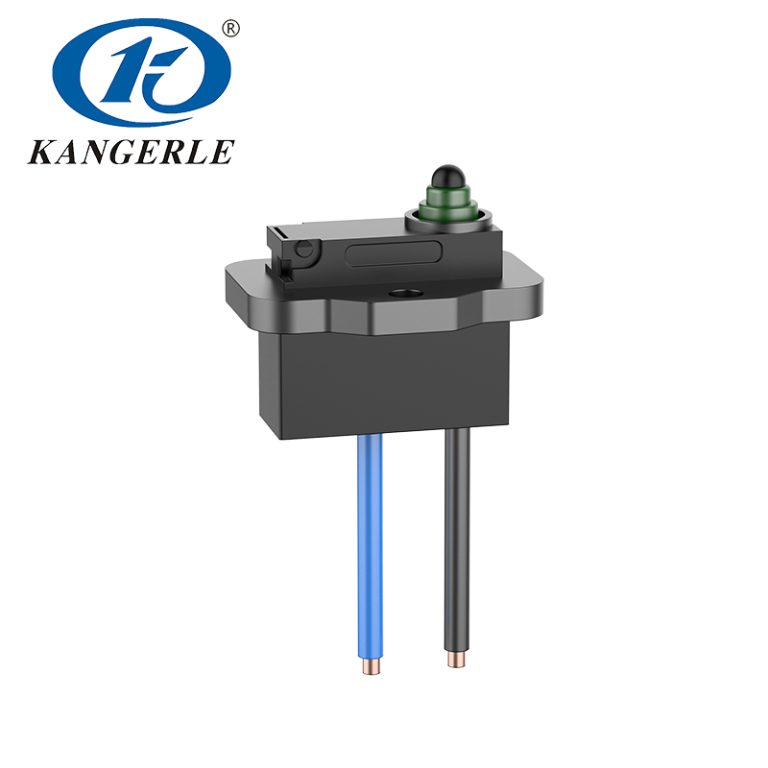

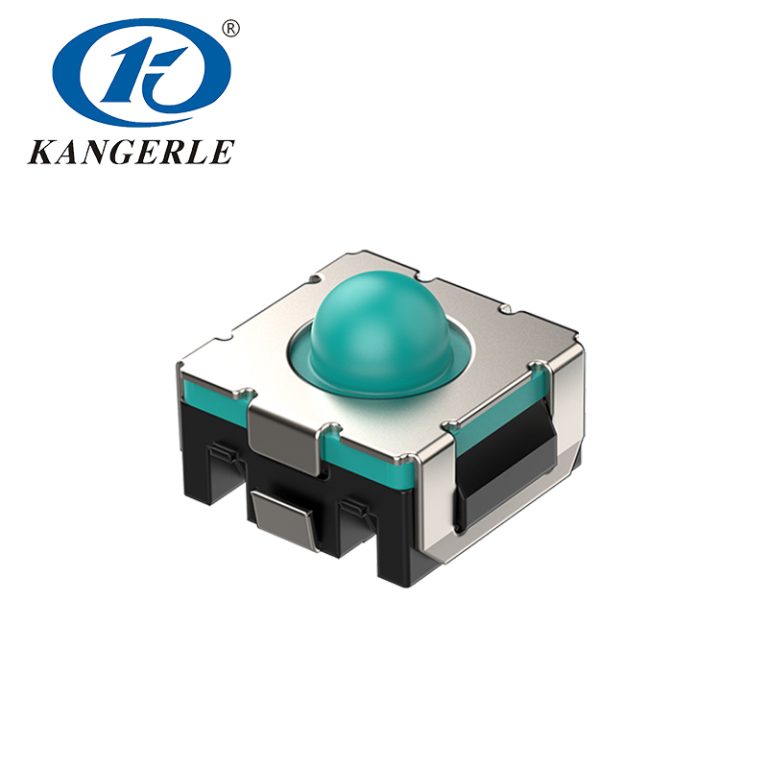

Have you ever pushed a button on a bus to say you need the next stop? Or maybe you touched a screen at a train station to grab a ticket. Those little moves feel so simple, right? But small parts make them happen. Tact switches are the quiet stars here. They help keep public transportation running without trouble and stay safe for everyone. In this post, we’ll look at how tact switches are used in public transportation. We’ll talk about why people pick them and what might change down the road. If you ride the bus or subway each day, you’ll see the hidden tech in your trips. Or if you work with transit systems, this can show you the everyday parts that keep cities moving.
Understanding Tact Switches
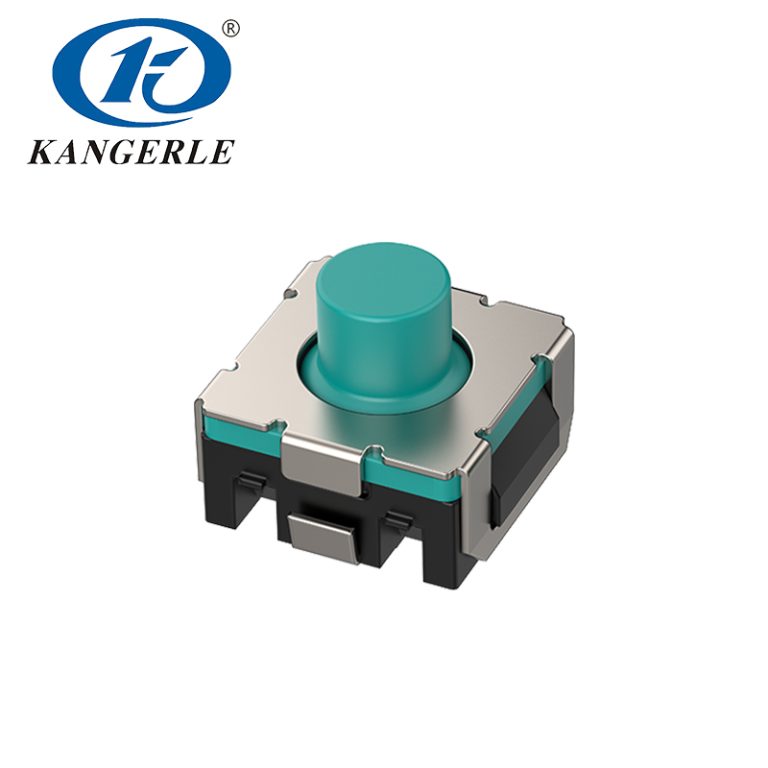
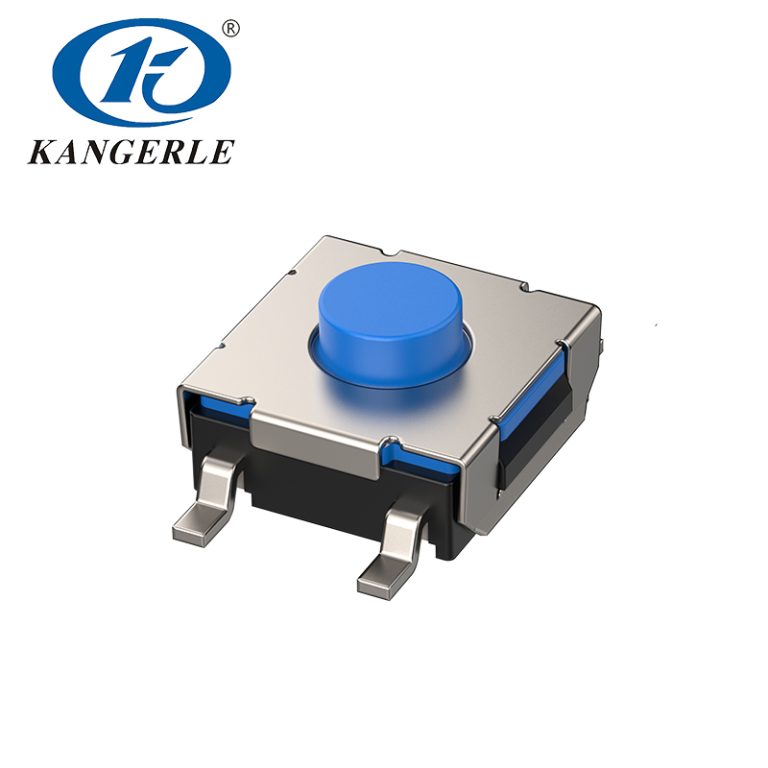
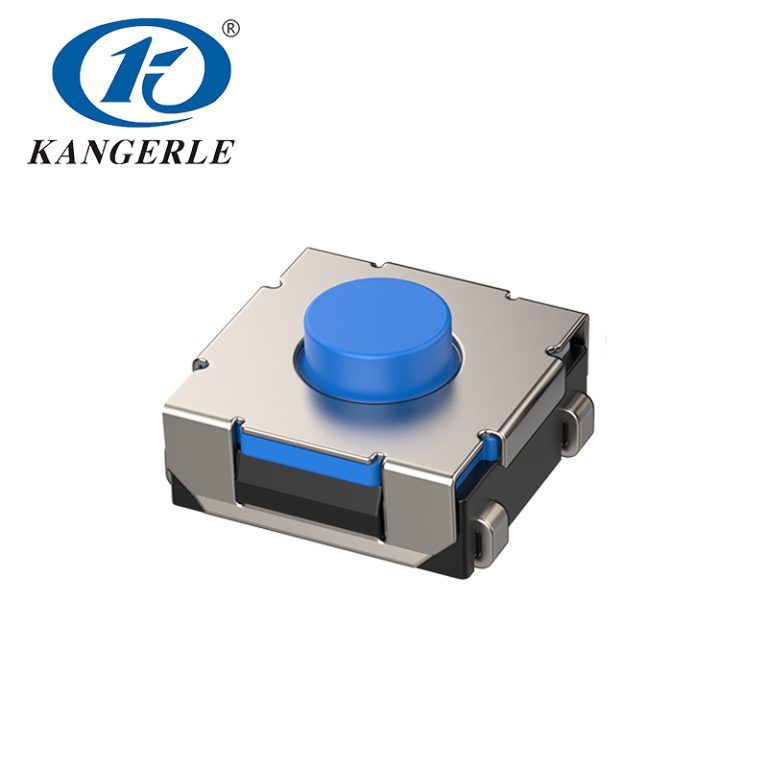
Tact switches are just small buttons that give a nice click when you press them. People also call them tactile switches. You push one, and it finishes an electrical connection fast. That sends a message to make something work. You find them in TV remotes and factory tools. But they really stand out in public transportation. They handle tons of presses day after day and never quit.
These switches are super tiny—usually only a few millimeters across. Still, they can take millions of clicks. The best part is that click you feel. It tells you right away that it worked. In busy places like bus stops or train cars, that click stops mix-ups. Nobody wants to hit the button twice by mistake.
Key Features That Fit Transit Needs
Tact switches come with traits that match rough daily life. They block dust and splashes pretty well. This matters a lot for machines outside, like ticket booths in the rain. They sip power instead of gulping it. So they fit perfectly in battery gadgets, such as the handheld scanners drivers use.
- Built Tough: Many last for 100,000 presses or way more. They shrug off constant use from crowds.
- Super Small: Their slim build slips into tight spots, like control boards inside trains.
- Safe Power Levels: They run on low voltage, so they’re safe for anyone to touch.
These things bring real help every day. Just think about a switch that stays strong through a whole year of rush hour. That’s why buses and trains rarely break down because of them. Fewer repairs mean happier riders and lower bills.
Common Applications in Public Transportation
Public transportation needs fast, sure responses from users. On buses, you’ll spot them in the “stop” buttons passengers push. One press lights it up for the driver. The click keeps fake presses from happening. Trains use them the same way for emergency calls or seat controls.
Tact Switches in Bus and Coach Systems
Buses carry crowds every day, and tact switches help keep things calm. They’re inside those yellow stop-request panels. You press, and the driver knows right away. The clear click means no bus stops for no reason.
On long-distance coaches, they control music or reading lights. Riders pick songs or turn up the volume with a quick tap. Up front, drivers use them for wipers or lights. Road bumps shake everything, but these switches stay steady.
Benefits of Tact Switches in Transit Operations

Why do transit teams choose tact switches? They make things run better and safer. Over time, the savings really add up. Riders get smoother trips too.
Enhancing Safety and Reliability
Safety comes first on buses and trains. Tact switches help by always working when needed. Emergency buttons stay ready no matter what.
They laugh at shakes, heat, or cold. Trains bounce, buses slam brakes—these switches don’t care. Cities see longer runs without breakdowns. That keeps everyone safer.
Improving User Experience for Passengers
Riders just want things easy. Tact switches give a natural press that feels right. Kids, adults, seniors—all get it.
They help people with poor eyesight too. The click says “got it” without looking. Transit feels friendlier for everybody.
Cost-Effectiveness for Transit Providers
Money counts for city budgets. Tact switches last years, so replacements stay rare. They’re simple to install, even on older buses.
When you buy thousands, the price drops. Fewer repair calls leave cash for new buses or better schedules.
Challenges and Solutions in Implementation
Nothing is perfect. Heavy use can wear anything down. Vandalism happens too. The fix? Pick tougher covers.
Old systems sometimes fight new tech. A simple adapter usually solves it. These switches play nice with modern screens.
Addressing Durability in High-Traffic Areas
Ticket machines in stations get pressed thousands of times daily. Choose ones rated for extra cycles. Quick checks catch problems early.
Metal parts inside give the click and fight tiredness. Waterproof kinds laugh at puddles.
Adapting to Technological Advances
Transit is getting smarter every year. Tact switches team up with touch screens for better feel. Riders keep the button click they know.
Electric buses need low power—perfect match. They help cities go green without losing speed.
Future Trends in Tact Switches for Public Transport
Tomorrow looks bright. Smart cities want connected parts. Soon, tact switches might send usage reports back to the office.
Wireless ones could cut messy wires. Picture a button that texts the shop when it’s getting tired.
Green materials are coming too. Recycled plastics and safe metals fit eco-friendly buses.
Touch feedback might change—a soft click for info, a sharp one for alarms. Rides will feel personal. As cities grow, tact switches will grow with them. They’ll keep things simple, safe, and ready for whatever comes next.
Introducing Zhejiang Kangerle Electronics Co., Ltd.
Zhejiang Kangerle Electronics Co., Ltd. has been a dependable maker of tact switches since 1993. The company started in Wenzhou, China, and focuses on quality parts for many fields, including public transportation. They hold certifications like UL, TUV, CE, CB, CQC, and RoHS. Their factories run under ISO 9001:2015 and IATF 16949:2016 standards. Every month, they turn out more than 50 million pieces. A big team of engineers and tech experts backs it all up. Modern machines and careful checks make sure each switch stays strong and trustworthy. The company always looks for fresh ways to meet customer needs. They supply reliable tact switches that help transit systems all over the world run better.
Conclusion
Tact switches work behind the scenes every day in public transportation. A quick press on a bus button comes from them. They bring safety, save money, and make rides nicer for millions of people. As buses get smarter and greener, these little switches will keep up. They’ll stay the quiet heroes that help us all get where we need to go. Whether you ride every morning or plan city routes, it’s nice to know such simple parts make a big difference.
Frequently Asked Questions
Why do busy transit spots use tact switches so much?
They hold up amazingly well. Dust, water, and endless presses don’t bother them. Stations stay running longer, and repair crews get fewer calls.
Can tact switches make public transportation safer?
Absolutely. Emergency buttons work every single time you need them. That quick, sure response can help in tough moments and keep passengers protected.
How do tact switches help riders have a better trip?
The click lets you know it worked—no guessing. It’s easy for everyone, even in a rush or if you can’t see well. Trips feel smoother and less stressful.
What’s next for tact switches used in public transportation?
Look for wireless versions that report problems themselves. Greener materials will show up too. And smarter clicks could feel different for different jobs, making future rides even friendlier.