
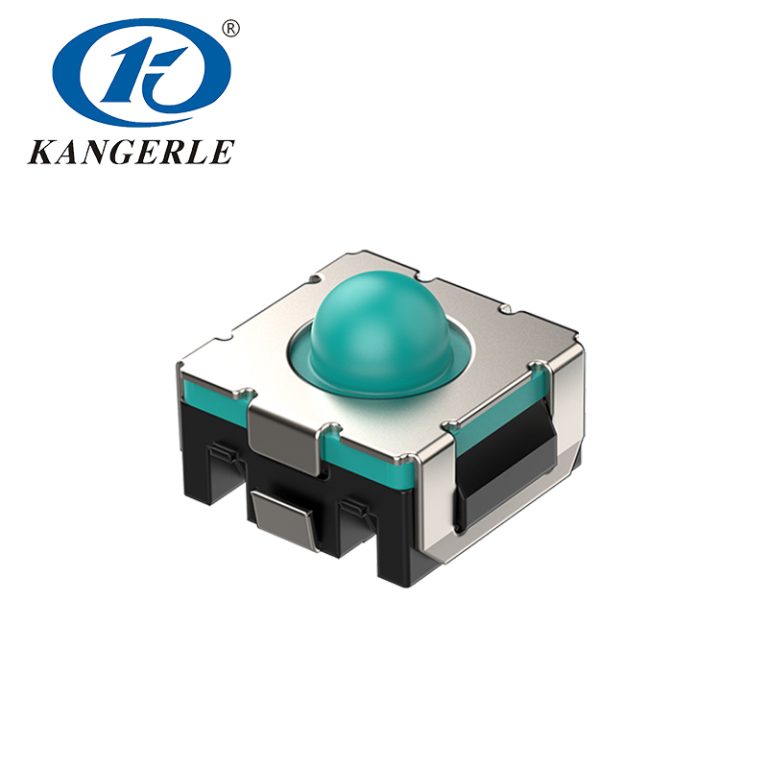
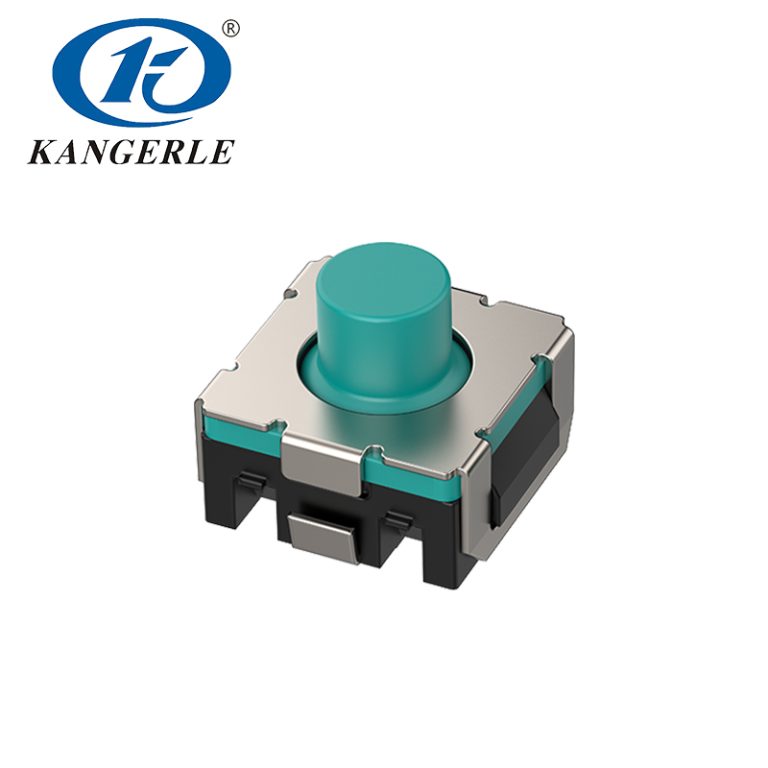
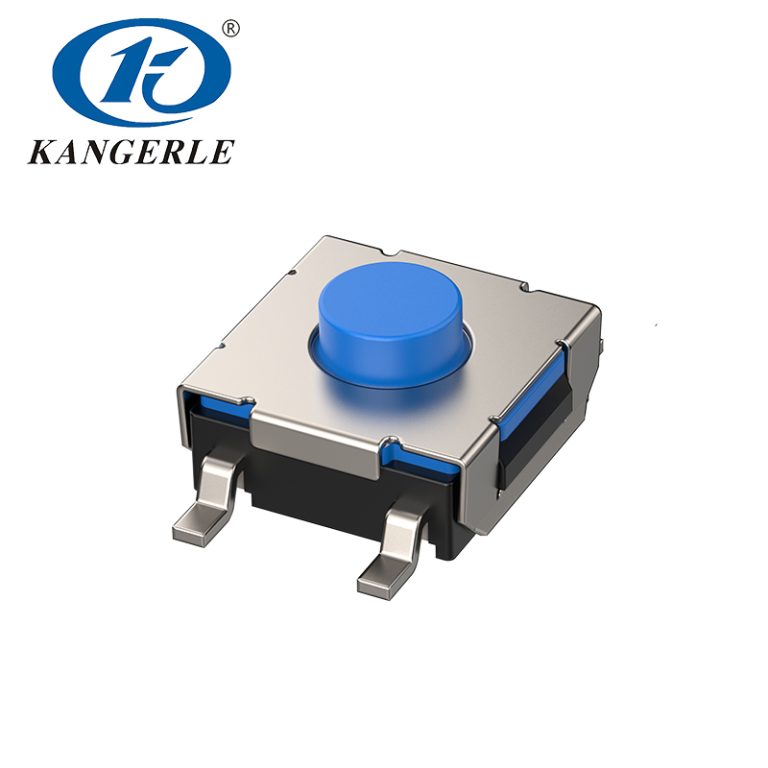
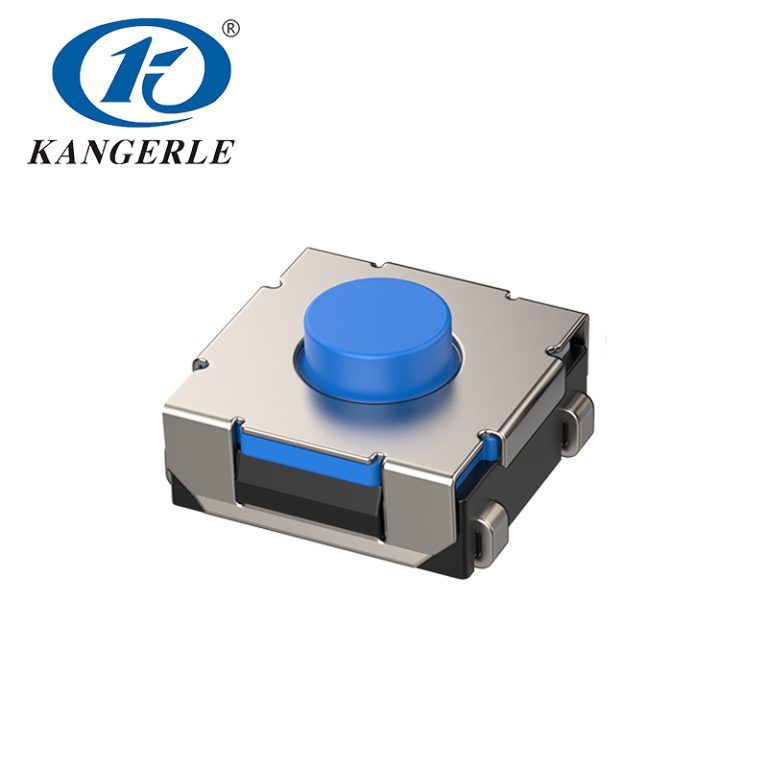
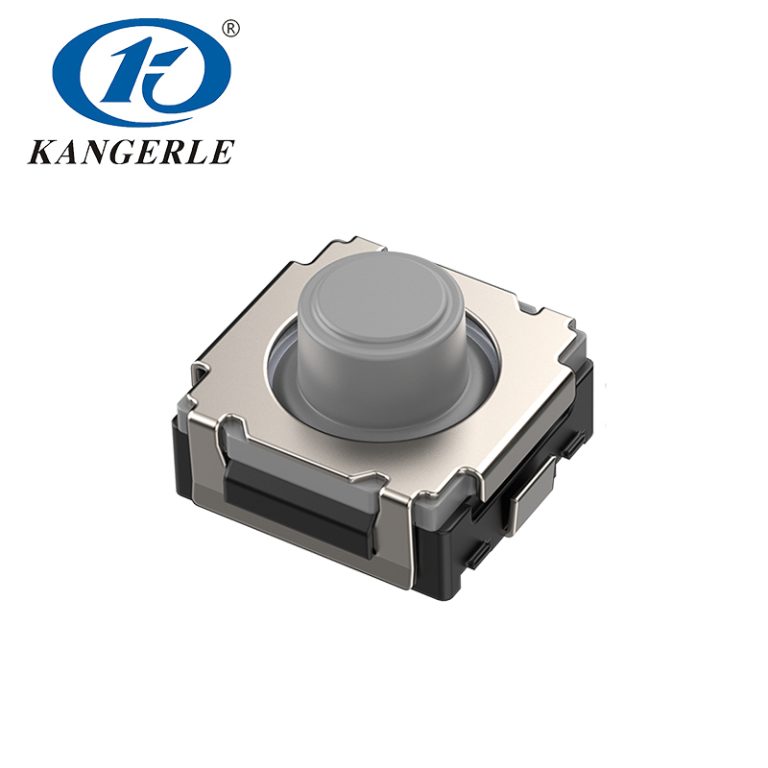
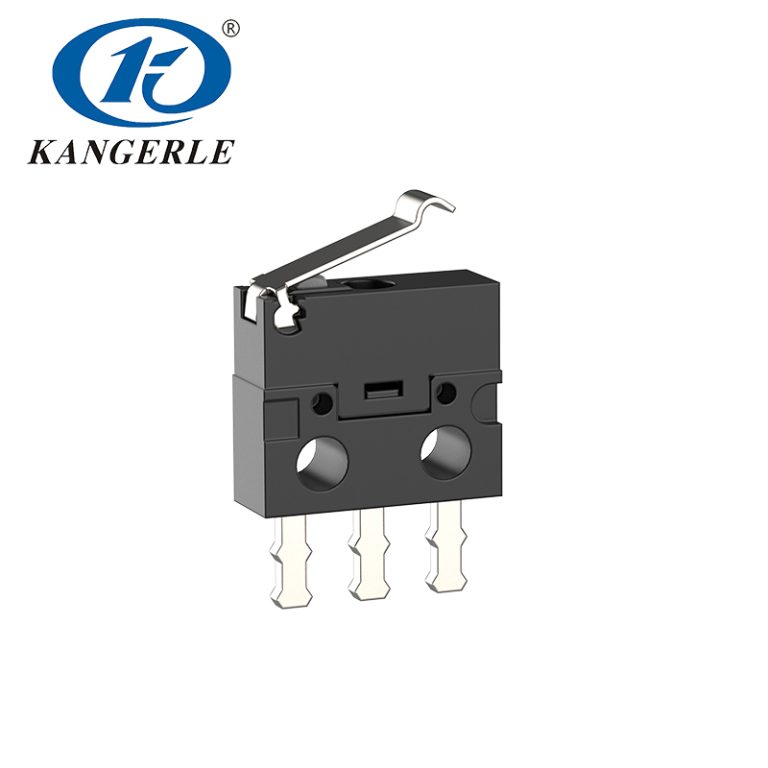
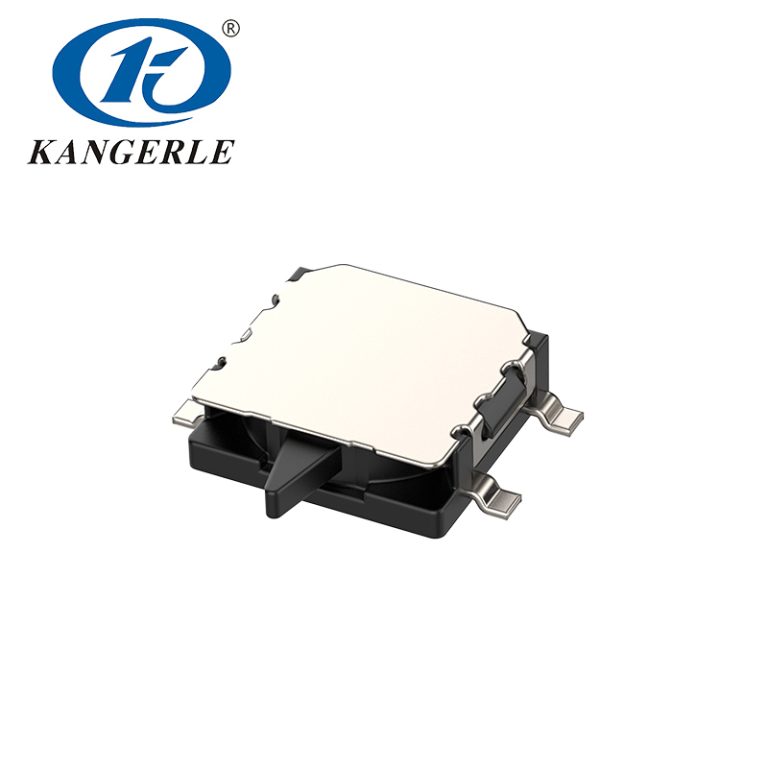
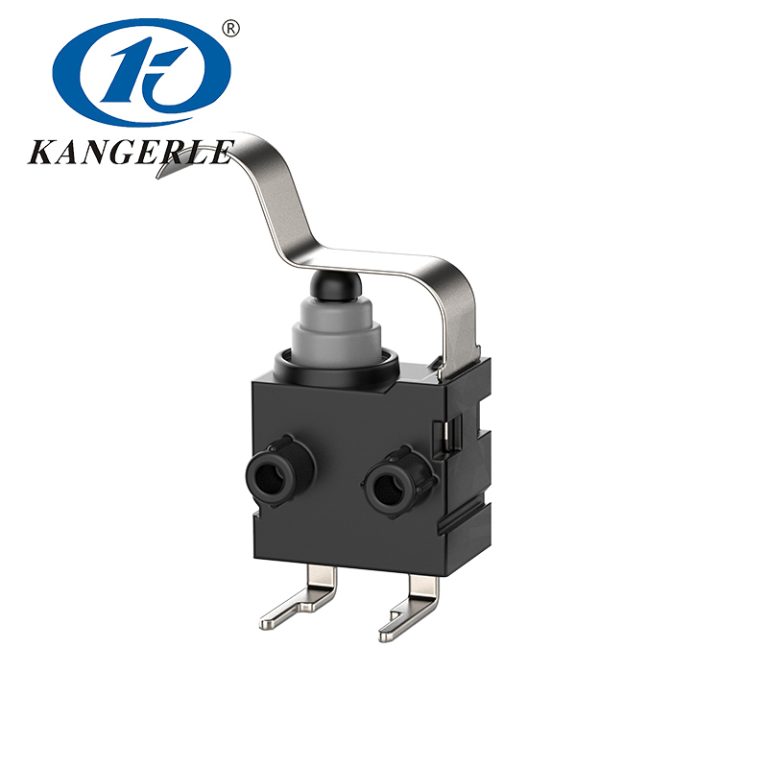

Electronic tags look simple from the outside, but the work inside is rarely simple. A tag may need to indicate whether a product cover has been opened, a cable remains unlocked, or a module has been reinserted into its dock. It can also signal when someone is attempting to pry open the housing. In these jobs, the detector switch is often the small part that makes the whole design dependable.
For engineers, buyers, and product managers, a detector switch is more than a spare component. This is especially true when they are working on anti‑theft tags, reusable charging modules, ETC devices, or compact security products. It is the part that turns a small mechanical movement into a clear electrical signal.
Why Detector Switches Matter in Electronic Tags
Electronic tags usually work in tight spaces. There is little room for wasted travel, bulky parts, or unstable signal output. That is why detector switches are widely used in compact designs.
Before looking at real products, it helps to understand what this switch is actually doing inside the tag.
They turn movement into a clean signal
A detector switch reacts when a moving part changes position. That movement may be very small: a latch closing, a shell shifting, a docked module sliding into place, or a cover lifting by a few millimeters.
Once the actuator is pressed or released, the switch changes circuit state. The controller can then read a simple result: open or closed, inserted or removed, locked or tampered with. This sounds basic, but in electronic tags that binary signal is often what drives the alarm, lock release, wake-up routine, or fault notice.
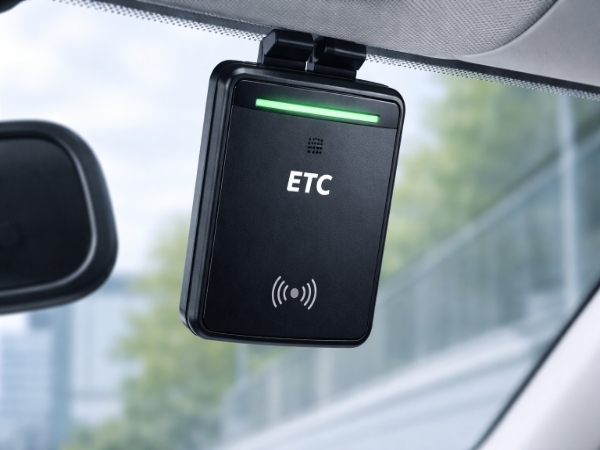
In a bottle security tag, for example, the switch can watch the locking structure. If the bottle tag is forced open, the signal changes and the system can trigger an alarm. In an ETC device, the same idea is used for anti-pry detection inside the housing.
They fit the job without adding bulk
Electronic tags are usually small, cost-sensitive, and handled often. A good detector switch works because it solves three problems at once:
- It takes very little space on the PCB or inside the shell
- It needs only a light touch to actuate
- It can repeat the same action thousands of times without unstable contact
That matters in field use. A rental power bank station may see constant insertion and removal all day. A toll tag may stay in a hot vehicle for years. A retail security tag may be clamped, released, checked, and reused again and again. In all of these cases, a large switch is hard to place, while a weak switch can become the failure point.
Main Applications of Detector Switches in Electronic Tags
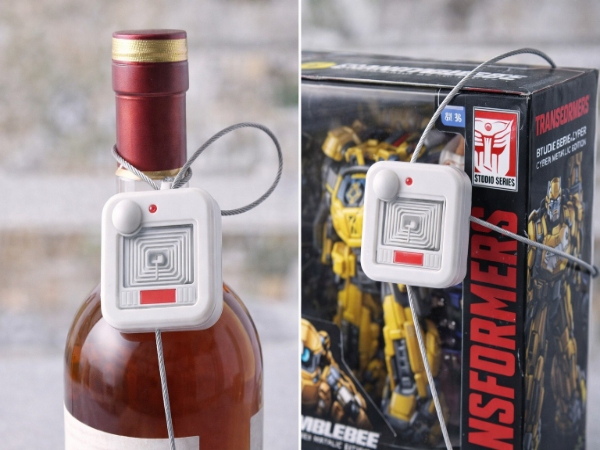
The term electronic tag covers more than one product category. In actual projects, the detector switch appears in anti-theft tags, smart rental equipment, vehicle electronics, and portable monitoring devices.
The clearest way to understand the value is to look at the job it performs in each setting.
Retail anti-theft tags and bottle security tags
This is one of the most direct applications. A detector switch can be built into a bottle tag or reusable hard tag to monitor whether the locking structure is still in the expected position.
If someone twists, opens, or damages the tag, the switch state changes. That state can then be used to trigger an alarm, send a tamper signal, or stop the tag from being treated as normal stock. For high-value bottles, this adds a second layer of protection beyond the ordinary EAS function. The tag is not only present; it is also checking whether the lock body has been disturbed.
ETC modules and anti-pry vehicle devices
In automotive ETC devices, detector switches are often used as anti-pry switches. The logic is simple: when the housing is intact, the switch stays in its normal state. When the shell is opened or pried, the state changes and the system records tampering.
This matters because ETC devices are linked to payment and vehicle passage data. A switch with low operating force and stable circuit action helps the system respond quickly without taking up much board space. For makers of compact ETC products, that balance is important.
Shared power banks and reusable docked devices
Shared power bank stations are another practical case. Here, the detector switch is not mainly about theft at the product edge; it is about status control inside a reusable slot.
When a power bank is inserted, the switch can confirm seating position, start charging, update inventory status, or control the lock. When the module is removed, it can update the rental status at once. If someone pulls at the bank abnormally, the system can also read that event as possible tampering.
This kind of application shows why detector switches are valued in electronic tags and smart rental hardware: they give a direct mechanical truth signal.
Door access, GPS, and compact portable devices
Detector switches are also used in smaller electronic products that need position sensing or tamper confirmation. Examples include GPS units, access control devices, reading pens, compact camera modules, and battery-door style portable products.
In these designs, the switch may detect:
- housing closure
- cover removal
- docking status
- lever or lid position
- service-door opening
This makes detector switches valuable for both security-focused products and general consumer electronics.
Typical tag-related use cases
| Application scene | What the switch detects | Why it matters |
|---|---|---|
| Bottle security tag | lock or clamp position | tamper alarm and anti-theft response |
| ETC device | housing pry-open state | anti-pry protection and system security |
| Shared power bank dock | inserted or removed status | lock control, charging start, inventory update |
| GPS or access device | cover or shell status | tamper notice, maintenance control |
How to Choose the Right Detector Switch for Tag Design
 The wrong switch can ruin a good tag design. A unit may fit the PCB but feel too stiff. It may work in lab testing but fail after repeated field use. Or it may react too late because the travel and actuator angle were not matched to the housing.
That is why selection should start with function, not part number.
Key parameters that affect tag performance
For compact electronic tags, these are the first numbers worth checking.
| Parameter | Why it matters in electronic tags | Practical target |
|---|---|---|
| Rated load | confirms the switch fits low-power control circuits | often DC30V 0.1A |
| Operating force | affects feel, trigger stability, and housing design | low force is better for compact mechanisms |
| Circuit type | defines system logic | SPST-NO, SPST-NC, or SPDT |
| Temperature range | matters for vehicle, retail, and outdoor use | around -10°C to 60°C for many compact uses |
| Contact resistance | affects signal quality | low and stable contact resistance |
| Electrical life | matters in reusable tags and docks | 50,000 cycles or above is a good baseline |
For many compact detector switch models used in these applications, buyers will look for low operating force in the 30–50gf range, DC30V 0.1A rated load, and electrical life around 50,000 cycles. That combination works well for light-duty signal detection rather than heavy power switching.
Common Design Mistakes in Electronic Tag Projects
 Small products are less forgiving. A one-millimeter mismatch in movement can cause a lot of trouble later.
Here are three mistakes seen often in tag development:
Using a switch with too much operating force
If the force is too high, the housing, latch, or slider has to work harder. That can lead to missed action, deformed plastic, or poor user feel.
Ignoring actuator direction and travel
A compact tag usually moves in a very fixed path. If the switch direction does not match that path, actuation becomes unstable. Side push, top push, lever angle, and return stroke all need to line up with the real mechanism.
Leaving the switch decision too late
Many teams pick the detector switch after the shell, latch, and PCB layout are already frozen. That often creates compromise. In a better process, the switch is selected early, together with the movement path and tamper logic.
About ZHEJIANG KANGERLE ELECTRONICS CO. LTD
ZHEJIANG KANGERLE ELECTRONICS CO. LTD is a Chinese switch manufacturer with a long production background in detector switches, micro switches, tact switches, rocker switches, slide switches, and push button switches. The company was founded in 1993 and serves sectors such as household appliances, security protection, communication, automotive, and consumer electronics.
For buyers looking for a detector switches supplier, the practical value is not only product range. It is also process control, steady quality, and customization support. Kangerle’s manufacturing system, certifications, and OEM/ODM capability make it suitable for projects that need compact detection parts for electronic tags, anti-theft products, portable devices, and related assemblies.
Conclusion
In electronic tags, the detector switch is the part that quietly tells the system what is really happening. It can confirm lock status, spot tampering, report insertion and removal, and support safer product behavior in a very small space.
For buyers and designers, the best results usually come from matching the switch to the actual movement path, target force, expected life, and circuit logic of the tag. When those details are handled early, the final product is easier to build, more stable in use, and less likely to fail in the field.
FAQs
What does a detector switch do in an electronic tag?
A detector switch in an electronic tag senses a physical state change, such as opening, closing, insertion, removal, or tampering. It then sends an electrical signal to the control circuit.
Is a detector switch better than a tact switch for tag sensing?
For automatic sensing, yes. A detector switch is better suited to position or tamper detection. A tact switch is better for manual input, such as reset or service commands.
Which detector switch specs matter most in anti-theft tags?
The main points are operating force, circuit type, electrical life, rated load, and switch size. In many compact designs, a low-force detector switch with stable contact and long cycle life is the safer choice.
Can a detector switch reduce false alarms in electronic tags?
It can help. A properly selected detector switch provides a clearer mechanical status signal, making it easier for the system to distinguish between normal operation and forced movement.
Can one detector switch design fit all electronic tags?
Usually not. A bottle security tag, an ETC unit, and a shared power bank dock all move in different ways. The detector switch should be matched to the product’s structure, stroke, force, and installation space.