
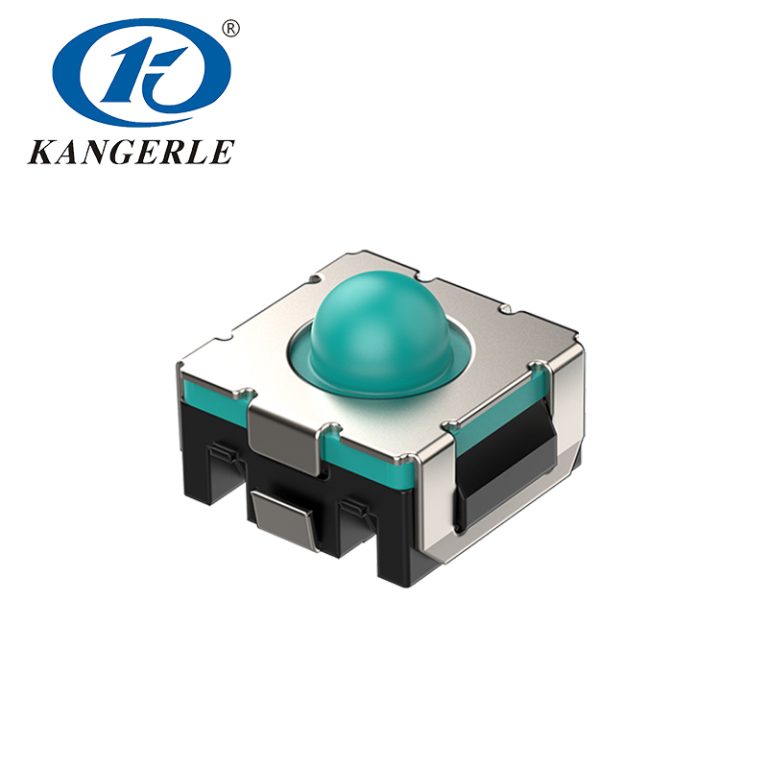
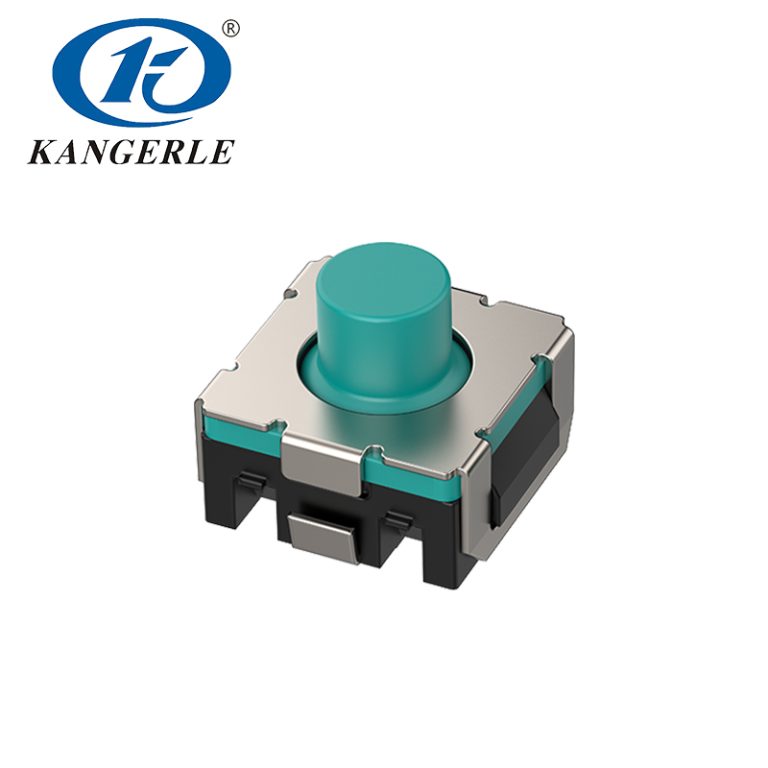
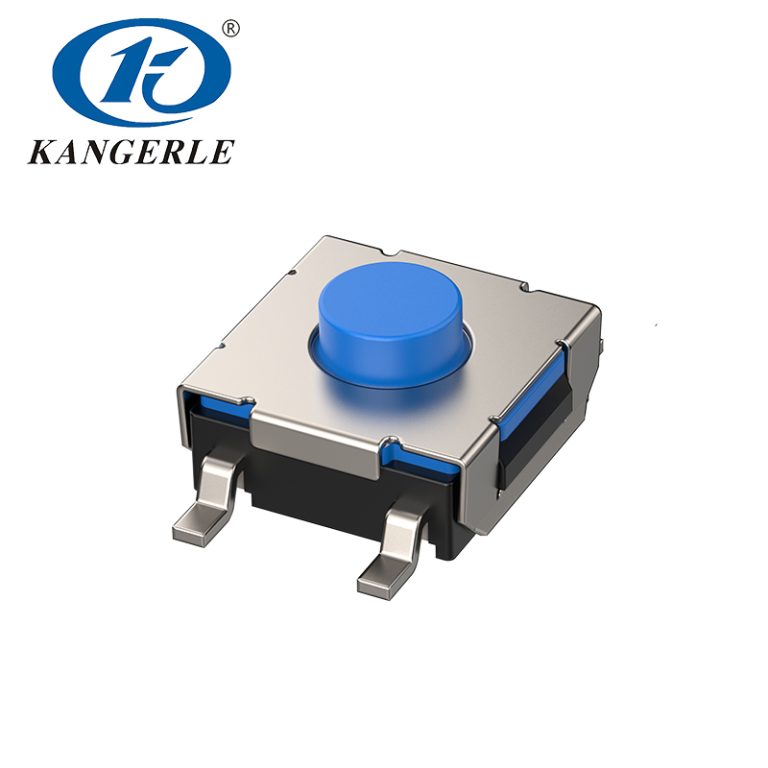
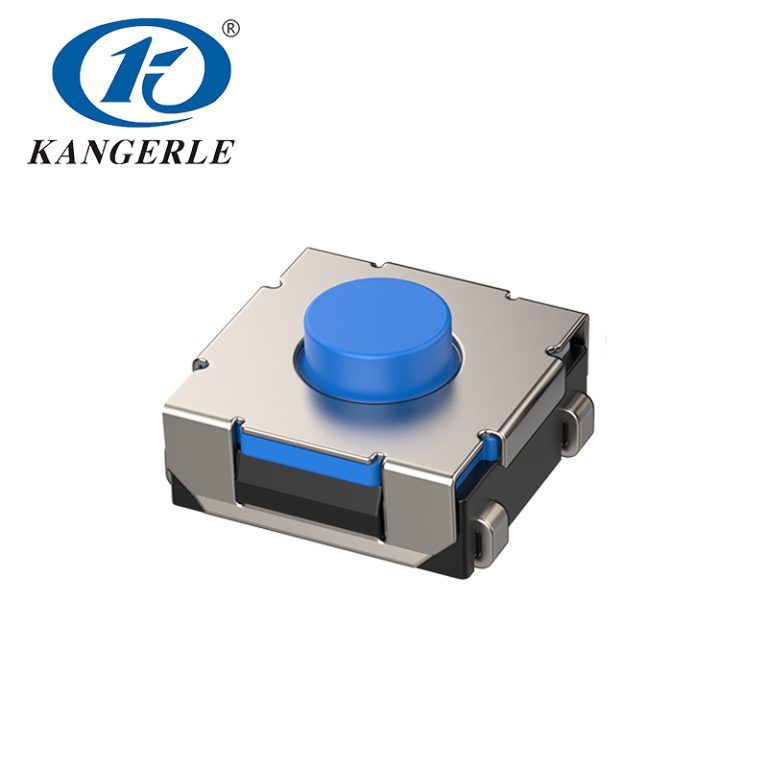
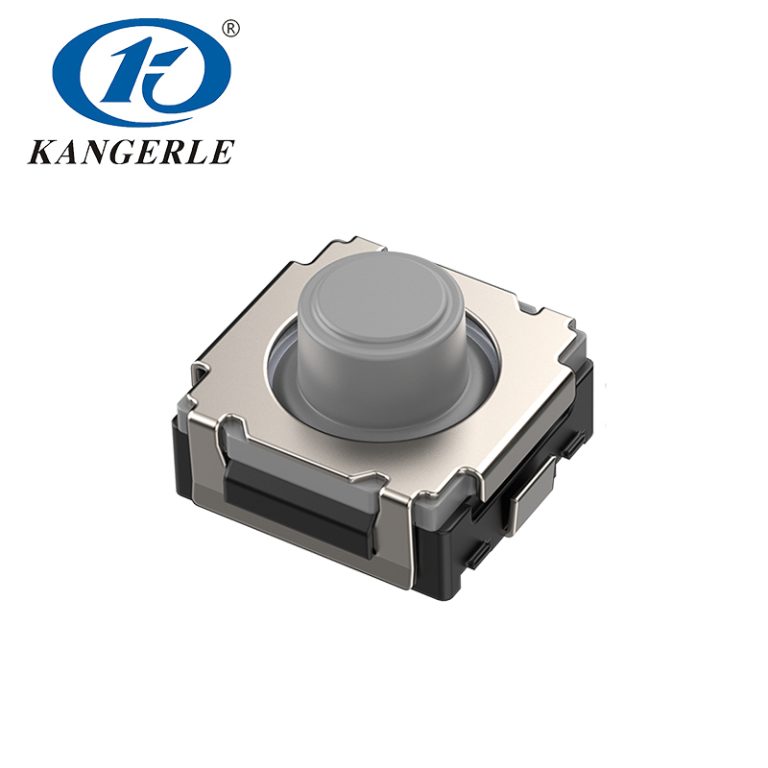
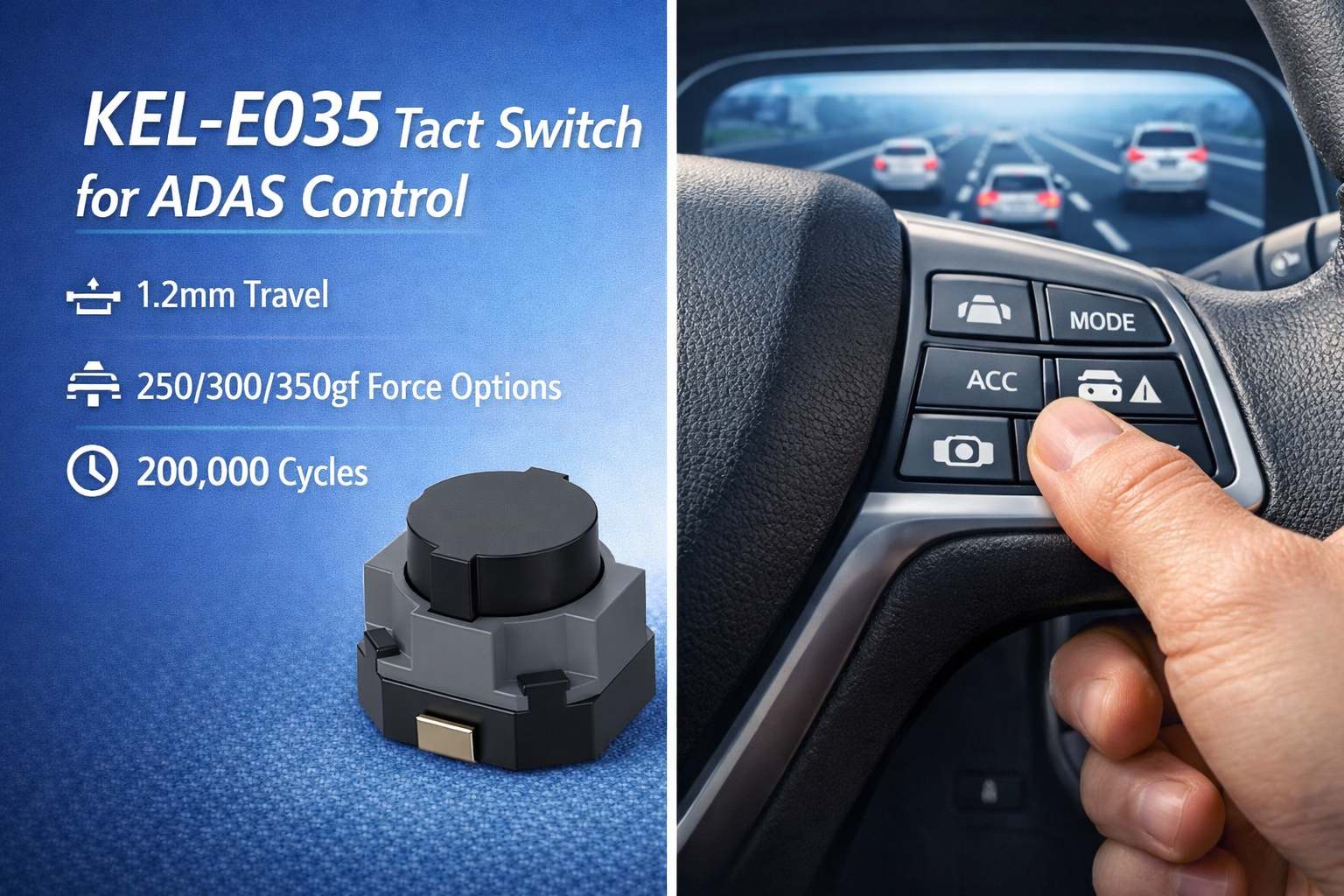
 Передовые системы помощи водителю изменили способ взаимодействия водителя с салоном. Система удержания полосы движения, адаптивный круиз-контроль, система помощи при парковке, обзор с камер и логика выбора режима движения больше не являются изолированными функциями, скрытыми в программном обеспечении. Они интегрированы в обычный рабочий процесс водителя, часто на рулевом колесе или центральной консоли. Это создает дополнительную нагрузку на один небольшой компонент: переключатель управления ADAS. В таких условиях тактовый переключатель должен обеспечивать быстрое подтверждение, стабильную электрическую работу и легко распознаваемое ощущение без необходимости долгого отрывать взгляд от дороги. Тактовый переключатель KANGERLE KEL-E035 Подходит для этой задачи благодаря ходу 1,2±0,2 мм, вариантам усилия 250/300/350±50 gf, номинальному току 50 мА постоянного тока 12 В, контактному сопротивлению ≤200 мОм, сопротивлению изоляции ≥100 МОм и механическому ресурсу 200 000 циклов. В автомобильной промышленности он уже используется для центральной консоли, рулевого колеса, электростеклоподъемников и задней двери.
Почему тактильные переключатели по-прежнему важны в управлении системами помощи водителю (ADAS)
По мере того, как интерфейс «человек-машина» в автомобилях становится все более цифровым, наилучшей стратегией управления становится не только «только экран». Недавние исследования в области безопасности и удобства использования продолжают указывать в этом направлении: физические элементы управления снижают отвлекающие факторы при выполнении ключевых задач, особенно когда водителю необходимо управлять автомобилем вслепую, быстро подтверждать действия или использовать его в перчатках. Изменения в протоколе Euro NCAP 2026 года явно включают интерфейс «человек-машина» в оценку безопасности и упоминают наличие физических кнопок для часто используемых функций. В обзорах исследований автомобильных сенсорных экранов также сообщается, что физические кнопки на центральной консоли работают лучше, чем сенсорные экраны, с точки зрения снижения отвлекающих факторов и выполнения второстепенных задач.
В системах ADAS рулевое колесо остается наиболее естественным местом для многократно используемых команд. В современной инженерной литературе по элементам управления системами помощи водителю рулевое колесо описывается как идеальное место для функций, требующих постоянного взаимодействия, поскольку элементы управления легко найти, они находятся в пределах досягаемости и могут управляться на ощупь при правильном программировании. Именно здесь компактный автомобильный тактильный переключатель по-прежнему имеет преимущество.
За что именно отвечает тактовый переключатель в кабине системы ADAS?
Переключатель редко бывает «просто кнопкой». В современных компоновках кабины один тактовый переключатель может поддерживать:
- Настройка адаптивного круиз-контроля, возобновление работы и регулировка дистанции.
- выбор режима удержания полосы движения или режима помощи водителю
- Просмотр с камеры, помощь при парковке или ввод в контекстное меню.
- Команды управления аудиосистемой, навигацией и системой отопления, вентиляции и кондиционирования воздуха расположены рядом с ярлыками ADAS.
- Многофункциональные элементы управления на центральной консоли, где важна быстрая тактильная обратная связь.
Эти варианты использования тесно связаны с позиционированием KEL-E035 для интеграции в рулевое колесо и центральную консоль, а также соответствуют сфере применения в автомобильной промышленности, которая давно ассоциируется с тактовыми переключателями с длинным ходом в рулевом управлении, навигационных/аудиосистемах и панелях управления системами отопления, вентиляции и кондиционирования воздуха.
Почему KEL-E035 подходит для модулей ADAS, устанавливаемых на рулевое колесо и центральную консоль?
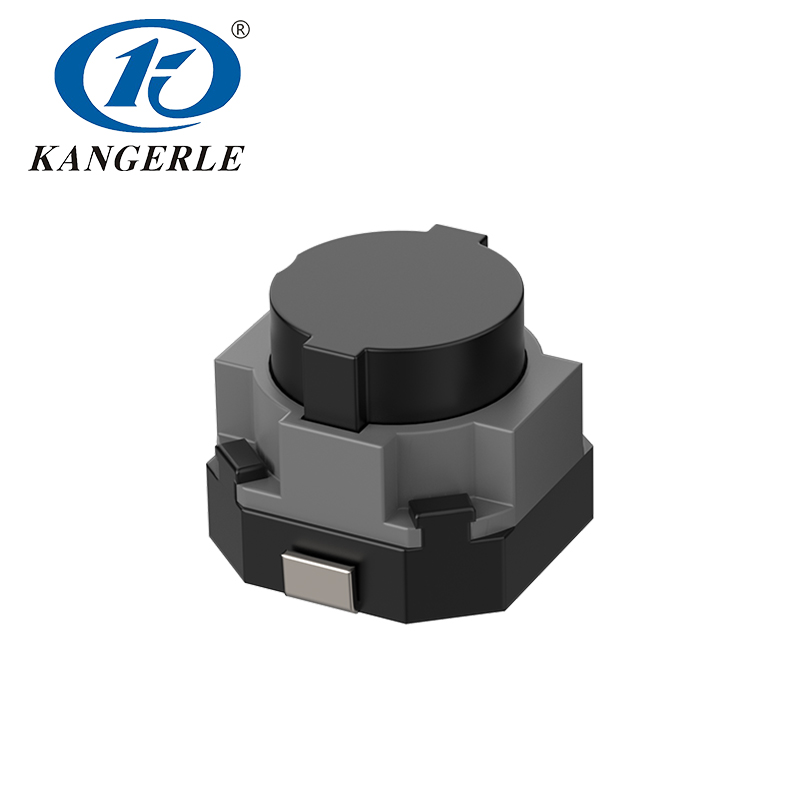 Хороший автомобильный переключатель на рулевом колесе Не нужны броские характеристики. Нужны правильные характеристики. В системах управления ADAS важные вопросы просты: подтверждает ли переключатель входной сигнал четко, выдерживает ли многократное использование, остается ли стабильным в цепях с низким током сигнала и помещается ли он в плотный корпус HMI, не усложняя сборку модуля?
Технические характеристики, имеющие значение в реальной эксплуатации автомобиля.
KEL-E035 отвечает на эти вопросы, предлагая набор технических характеристик, соответствующих реальным требованиям кабины пилота, а не только теоретическим расчетам, выполненным в лабораторных условиях.
| Требования к управлению ADAS | Характеристика KEL-E035 | Почему это важно |
|---|---|---|
| Четкое подтверждение кончиками пальцев | ход 1,2±0,2 мм | Достаточное движение, чтобы подтвердить срабатывание, без ощущения неопределенности. |
| Различное ощущение от управления в зависимости от функции. | варианты 250/300/350±50 gf | Инженеры могут настраивать тактильные ощущения кнопок ACC, камеры, звука или выбора режима. |
| Стабильная работа схемы с низким энергопотреблением. | Номинальный ток 50 мА, напряжение 12 В постоянного тока. | Отлично подходит для автомобильных схем человек-машинного интерфейса на уровне сигнала. |
| Надежная передача сигнала | контактное сопротивление ≤200 мОм | Помогает обеспечить бесперебойное переключение в компактных модулях управления. |
| Запас электрической изоляции | Сопротивление изоляции ≥100 МОм | Подходит для плотной компоновки печатных плат и панелей смешанного назначения. |
| Длительный срок службы | 200 000 механических циклов | Подходит для высокочастотных элементов управления, таких как кнопки на рулевом колесе. |
Эти цифры имеют практический смысл в современной цифровой приборной панели. Ход около 1,2 мм обеспечивает четкое нажатие, а три диапазона усилия позволяют программе управления автомобилем различать критически важные функции и функции комфорта исключительно на ощупь. Более жесткий переключатель для включения режима ADAS и более легкий для переключения воспроизведения не ощущаются одинаково в руке, и эта разница полезна.
Где KEL-E035 работает в реальных конфигурациях, связанных с системами помощи водителю (ADAS)
На рулевом колесе KEL-E035 может располагаться за клавишами, используемыми для адаптивного круиз-контроля, системы помощи при движении по полосе, голосового управления или быстрого доступа к камере. На центральной консоли он работает для системы помощи при парковке, выбора режима движения, быстрых клавиш управления климат-контролем или быстрых команд навигации/аудио, которые должны реагировать мгновенно. Эта же линейка продуктов также используется для управления электростеклоподъемниками и задней дверью, что говорит о важном аспекте ее применения: она не ограничивается одной узкой задачей в салоне автомобиля. Она может поддерживать более широкую архитектуру автомобильного человеко-машинного интерфейса, построенную на основе многократного тактильного ввода.
Такая гибкость важна, поскольку интерфейсы ADAS больше не ограничиваются моделями класса люкс. В автомобилях среднего класса теперь сочетаются элементы управления на рулевом колесе, ярлыки на центральной консоли и программно-определяемые меню. В таких конфигурациях тактовый переключатель на центральной консоли должен быть компактным, повторяемым и легко настраиваемым под пользовательский опыт. KEL-E035 уже используется компанией KANGERLE в качестве эталонного элемента при обсуждении рулевого колеса и ADAS, где четкая обратная связь и компактная интеграция рассматриваются как ключевые преимущества.
KEL-E035 против серии ALPS SKPM
Для многих команд, занимающихся закупками, главный вопрос заключается не в том, работает ли тактовый переключатель. Вопрос в том, может ли он заменить устоявшийся эталонный вариант, не жертвуя при этом удобством управления, надежностью или соответствием требованиям конкретного приложения.
Функциональное сравнение для принятия решений о замене
Серия SKPM от ALPS — это семейство тактовых переключателей для поверхностного монтажа размером 5,9 × 6,0 × 5,0 мм с большим ходом и мягким нажатием, обеспечивающих перемещение на 1,3 мм, низкое контактное сопротивление и предназначенных для применения в автомобильной промышленности, в системах рулевого управления, переключения передач, потолочных консолях, навигационных/аудиосистемах и системах отопления, вентиляции и кондиционирования воздуха (HVAC). Серия включает варианты усилия нажатия от 1,57 Н до 3,0 Н с ресурсом работы до 100 000 циклов. KEL-E035 предлагает ход 1,2 мм, варианты усилия нажатия, эквивалентные примерно 2,45 Н, 2,94 Н и 3,43 Н, а также 200 000 механических циклов.
| Элемент | КЕЛ-Е035 | Серия ALPS SKPM |
|---|---|---|
| Тип переключателя | Автомобильный тактовый переключатель | Тактовый переключатель поверхностного монтажа |
| Путешествовать | 1,2±0,2 мм | 1,3 мм |
| Диапазон силы | 250/300/350±50 gf | 1.57 N / 1.96 N / 2.45 N / 3.0 N |
| Контактное сопротивление | ≤200 мОм | 100 мОм макс. |
| Жизнь | 200 000 механических циклов | 100 000 циклов |
| Типичное использование в автомобиле | Руль, центральная консоль, электростеклоподъемники, задняя дверь | Рулевое управление, рычаг переключения передач, потолочные консоли, навигация/аудиосистема, система отопления, вентиляции и кондиционирования. |
С точки зрения функциональности переключения, KEL-E035 выполняет ту же основную задачу, что и серия SKPM в системах ADAS и управления кабиной: тактильный ввод с верхним приводом и длинным ходом для автомобильных HMI. Для программ, ориентированных на этот класс тактильных кнопок, KEL-E035 может полностью заменить функцию переключения серии ALPS SKPM в модулях управления ADAS, обеспечивая при этом более высокий целевой срок службы и более широкий диапазон регулировки усилия на стороне KANGERLE. Практическая ценность заключается не только в функциональной замене, но и в гибкости поставок. Кроме того, по сравнению с проблемой легкого отсоединения накладок кнопок в серии ALPS SKPM, конструкция KEL-E035 эффективно предотвращает отсоединение накладок, повышая общую стабильность и надежность устройства.
Почему компания ZHEJIANG KANGERLE ELECTRONICS CO. LTD является надежным партнером по поставкам?
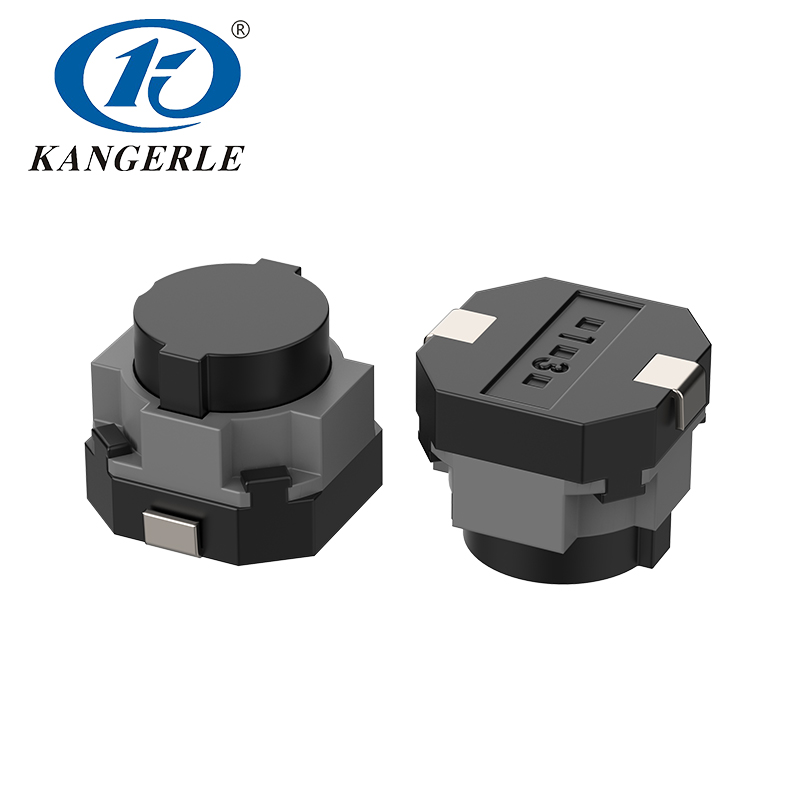 Решение о замене переключателя никогда не основывается только на номере детали. Важно также, может ли поставщик обеспечить поддержку в разработке чертежей, изготовлении образцов, индивидуальной настройке и производстве без замедления реализации программы разработки автомобиля.
Преимущества компании и продукции
ZHEJIANG KANGERLE ELECTRONICS CO. LTD Компания была основана в начале 1990-х годов и долгое время специализировалась на микропереключателях, детекторных переключателях, концевых выключателях, тумблерных переключателях, ползунковых переключателях, тактовых переключателях и кнопочных переключателях для автомобильной, коммуникационной, охранной, компьютерной и бытовой техники. Компания прошла сертификацию по системам управления качеством ISO9001:2015 и IATF 16949, имеет сертификаты CB, CE, CQC, TUV, UL и RoHS, а также ежемесячно производит более 50 миллионов единиц продукции. Компания предлагает услуги OEM/ODM, обширный ассортимент переключателей, поддержку решений для автомобильных компонентов, проектирование пресс-форм, бесплатное тестирование образцов и возможности массового производства.
Это имеет значение именно для KEL-E035. Тактовый переключатель KEL-E035 от KANGERLE ELECTRONICS Может полностью заменить функциональность переключателей премиум-класса в системах управления ADAS и автомобильных HMI, а также предложить более короткие сроки поставки, меньшую стоимость и поддержку индивидуальной настройки. Процесс OEM/ODM включает в себя настройку материала, размеров, усилия нажатия, хода, требований к току и условий эксплуатации, что является именно той поддержкой, которая часто необходима для проектов по разработке переключателей на рулевом колесе или центральной консоли автомобиля на поздних этапах разработки.
Заключение
Эффективность управления ADAS напрямую зависит от качества интерфейса для водителя. Переключатель, который работает нечетко, быстро изнашивается или требует дополнительного визуального подтверждения, ослабляет всю систему человеко-машинного интерфейса. KEL-E035 идеально подходит для этой новой реальности в салоне автомобиля, поскольку сочетает в себе тактильную обратную связь с большим ходом, несколько вариантов усилия нажатия, совместимость с низкотоковыми сигналами и долговечность до 200 000 циклов в компоненте, уже предназначенном для использования на рулевом колесе и центральной консоли. Для автомобильных программ, ищущих альтернативу серии ALPS SKPM, он предлагает надежный путь замены с более гибкой моделью поставок.
Часто задаваемые вопросы
Что делает тактовый переключатель подходящим для управления системами помощи водителю (ADAS)?
Тактильный переключатель для управления ADAS должен обеспечивать четкое тактильное подтверждение, стабильное переключение при низком токе, длительный срок службы и легко определяемый на ощупь уровень усилия. KEL-E035 отвечает этим требованиям: ход 1,2±0,2 мм, три варианта усилия и механический ресурс в 200 000 циклов.
Может ли KEL-E035 заменить серию ALPS SKPM в модулях автомобильных переключателей на рулевом колесе?
На функциональном уровне — да. KEL-E035 охватывает тот же тип длинноходовых тактильных переключателей, которые используются в модулях HMI рулевого колеса и кабины, и предлагает более высокий целевой срок службы, чем опубликованные данные серии SKPM. Что касается выпуска в производство, окончательная замена по-прежнему зависит от чертежей и процесса проверки, проводимых производителем оригинального оборудования.
Достаточен ли ресурс в 200 000 циклов для тактового переключателя на центральной консоли автомобиля?
Для кнопок в кабине, используемых чаще всего, 200 000 механических циклов — это вполне достижимая цель. Это особенно полезно для элементов управления, которые водители используют в каждой поездке, таких как кнопки ACC, ярлыки камеры, кнопки управления климат-контролем и элементы управления мультимедиа.
Может ли компания KANGERLE разработать и модифицировать автомобильный тактильный переключатель?
Да. Процесс OEM/ODM компании KANGERLE поддерживает изменения материалов, размеров, усилия нажатия, хода, требований к току и использования в особых условиях. Это полезно для проектов автомобильных переключателей на рулевом колесе и HMI-интерфейсов центральной консоли, требующих определённых тактильных ощущений или компоновки.
Почему физические кнопки по-прежнему важны в интерфейсе ADAS?
Поскольку водителю часто требуется быстрая и не отвлекающая внимание обратная связь. Современные источники информации по безопасности и удобству использования по-прежнему отдают предпочтение физическим элементам управления ключевыми функциями автомобиля, и направление оценки человеко-машинного интерфейса Euro NCAP 2026 также отражает этот сдвиг.