

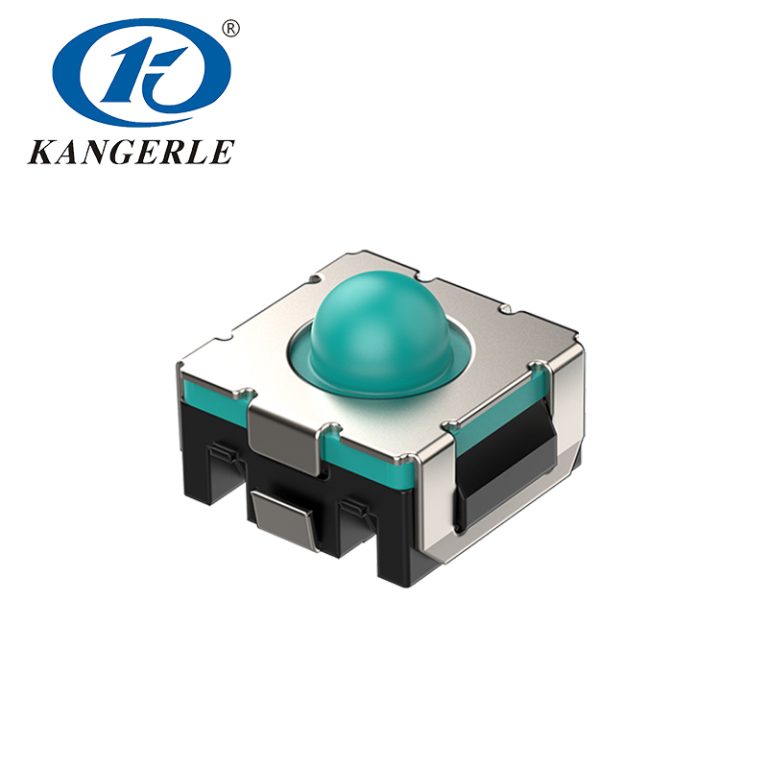
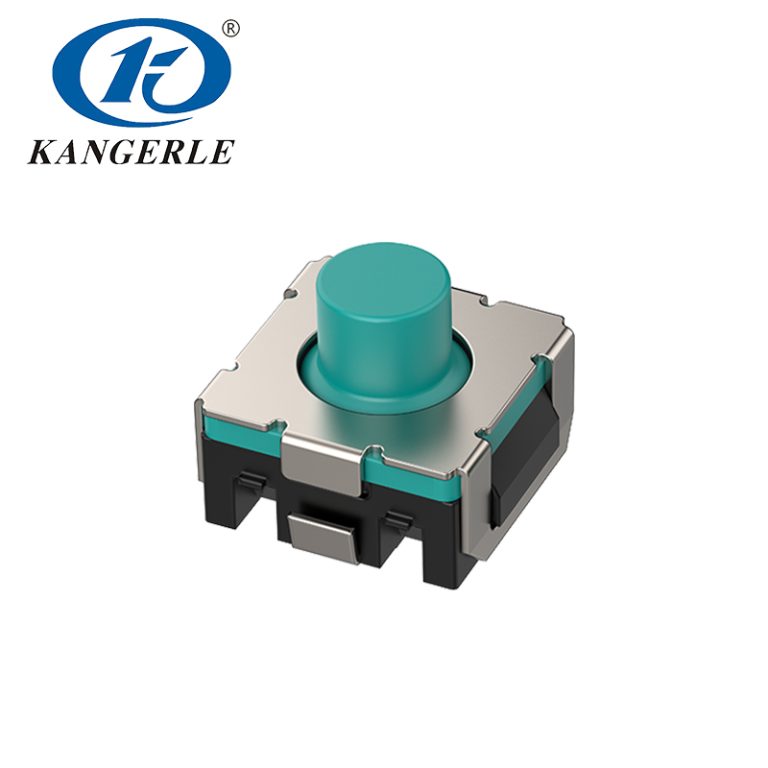
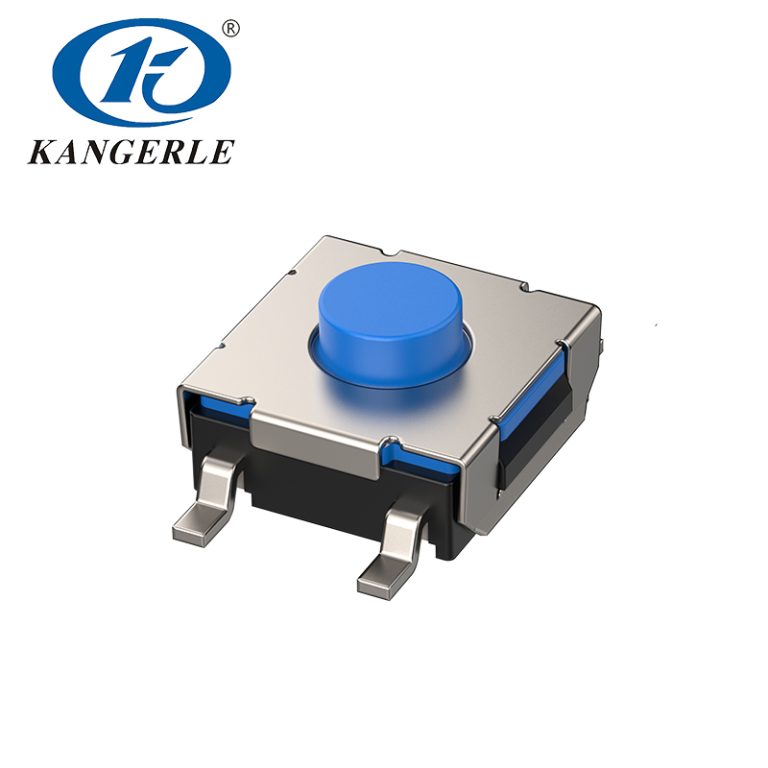
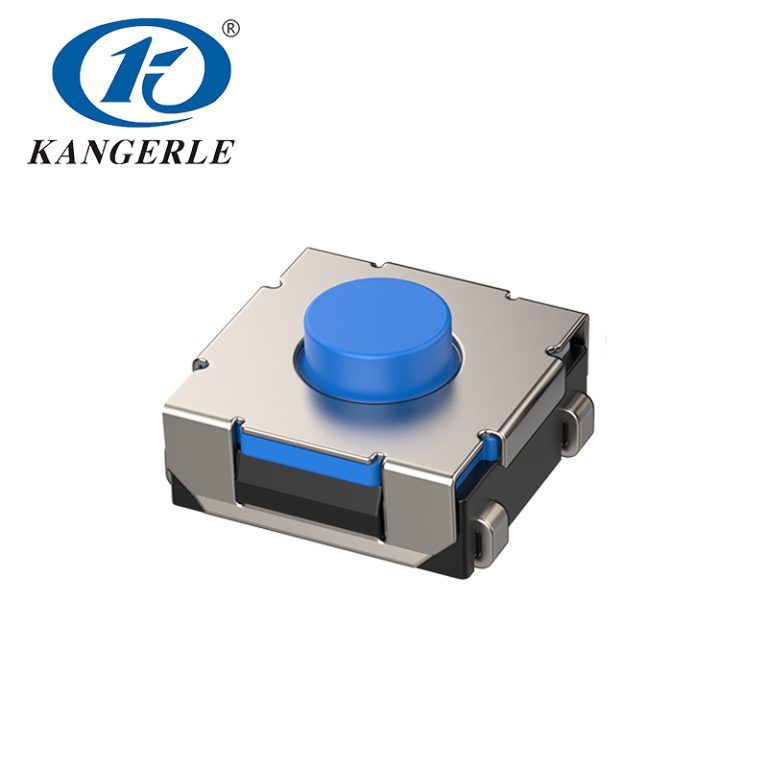
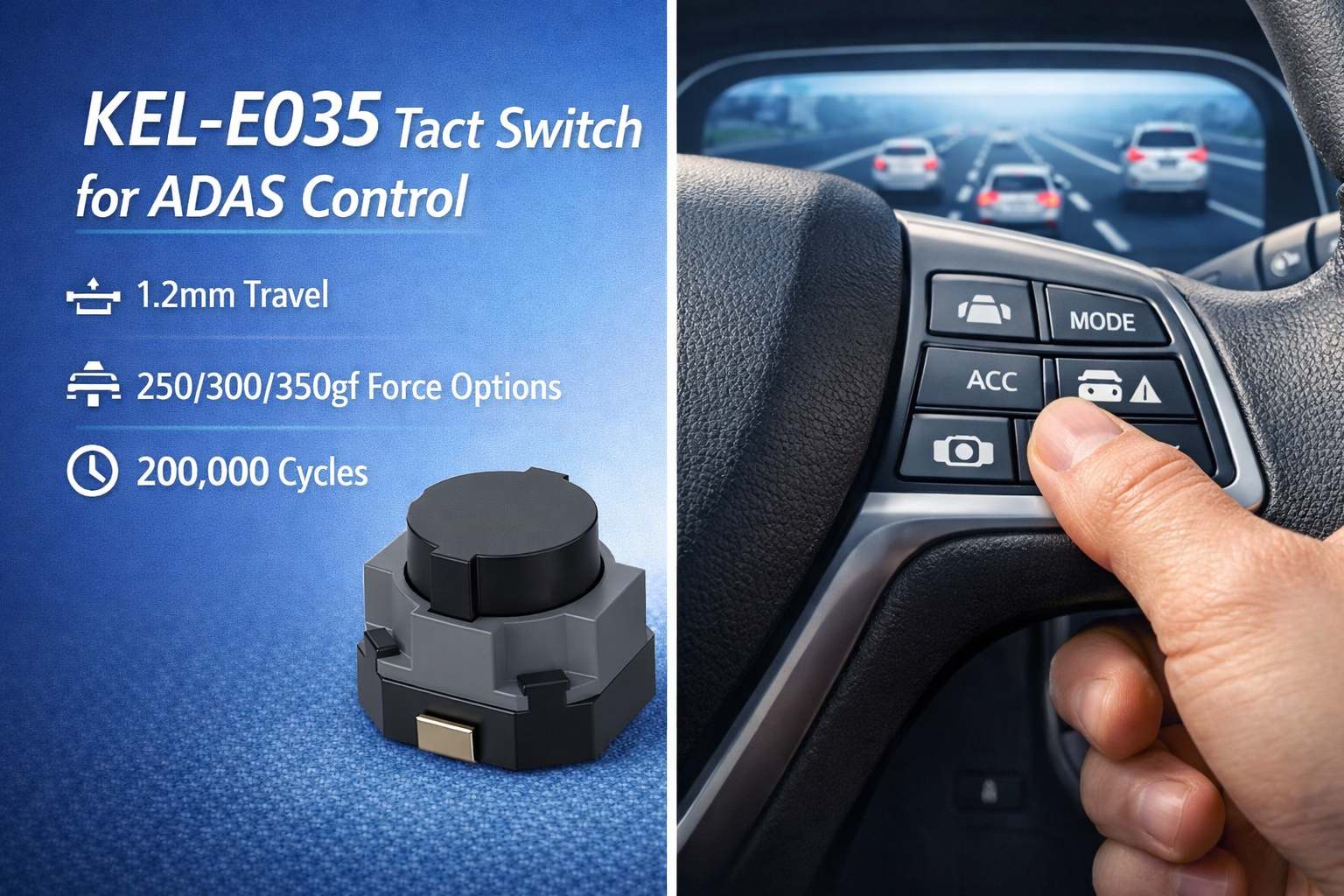
 Moderne Fahrerassistenzsysteme haben die Interaktion des Fahrers mit dem Cockpit grundlegend verändert. Spurhalteassistent, adaptive Geschwindigkeitsregelung, Einparkhilfe, Kameraansichten und Fahrmodus-Logik sind keine isolierten, in der Software verborgenen Funktionen mehr. Sie sind in den gewohnten Arbeitsablauf des Fahrers integriert, oft am Lenkrad oder in der Mittelkonsole. Das erhöht den Druck auf eine kleine Komponente: den Bedienschalter der Fahrerassistenzsysteme. In diesem Kontext muss ein taktiler Schalter eine schnelle Rückmeldung, eine stabile elektrische Funktion und ein leicht erkennbares Bediengefühl bieten, ohne dass der Blick von der Straße abgewendet werden muss. KANGERLEs Taktschalter KEL-E035 Erfüllt diese Anforderungen mit einem Hub von 1,2 ± 0,2 mm, Kraftoptionen von 250/300/350 ± 50 gf, einer Nennstromstärke von 50 mA bei 12 V Gleichstrom, einem Kontaktwiderstand von ≤ 200 mΩ, einem Isolationswiderstand von ≥ 100 MΩ und einer mechanischen Lebensdauer von 200.000 Zyklen. Zu den bereits aufgeführten Anwendungen im Automobilbereich gehören die Mittelkonsole, das Lenkrad, elektrische Fensterheber und die Heckklappe.
Warum taktile Schalter in der ADAS-Steuerung immer noch wichtig sind
Mit der zunehmenden Digitalisierung der Fahrzeug-HMI ist die optimale Steuerungsstrategie nicht mehr ausschließlich die Bedienung über den Bildschirm. Aktuelle Studien zu Sicherheit und Benutzerfreundlichkeit bestätigen dies: Physische Bedienelemente reduzieren die Ablenkung bei wichtigen Aufgaben, insbesondere wenn der Fahrer blind fahren, schnell bestätigen oder die Bedienung mit Handschuhen durchführen muss. Die Protokolländerungen von Euro NCAP für 2026 beziehen die Mensch-Maschine-Schnittstelle explizit in die Sicherheitsbewertung ein und erwähnen die Verfügbarkeit physischer Tasten für häufig genutzte Funktionen. Forschungszusammenfassungen zu Touchscreens im Fahrzeug zeigen zudem, dass physische Tasten in der Mittelkonsole im Vergleich zu Touchscreens hinsichtlich Ablenkung und der Bedienung von Nebenaufgaben besser abschneiden.
Im Bereich der Fahrerassistenzsysteme (ADAS) ist das Lenkrad nach wie vor der natürlichste Ort für wiederholt verwendete Befehle. Aktuelle Fachliteratur zu Bedienelementen von Fahrerassistenzsystemen beschreibt das Lenkrad als idealen Ort für Funktionen, die eine ständige Interaktion erfordern, da die Bedienelemente leicht zu finden und erreichbar sind und bei korrekter Codierung intuitiv bedient werden können. Genau hier liegt der Vorteil kompakter taktiler Schalter im Automobilbereich.
Was genau bewirkt ein Takt-Schalter in einem ADAS-Cockpit?
Der Schalter ist selten „nur ein Knopf“. In aktuellen Cockpit-Layouts kann ein Taktschalter Folgendes unterstützen:
- Adaptive Geschwindigkeitsregelung: Einstellen, Fortsetzen und Abstandsanpassung
- Auswahl des Spurhalte- oder Fahrerassistenzmodus
- Kameraansicht, Einparkhilfe oder Schnellmenü-Eingabe
- Audio-, Navigations- und Klimaanlagenbefehle neben ADAS-Verknüpfungen.
- Multifunktions-Bedienelemente in der Mittelkonsole, bei denen schnelles haptisches Feedback wichtig ist
Diese Anwendungsfälle decken sich weitgehend mit der Positionierung des KEL-E035 für die Integration in Lenkrad und Mittelkonsole und entsprechen auch dem Anwendungsbereich im Automobilbereich, der seit langem mit Takt-Schaltern mit langem Hub in Lenkung, Navigations-/Audiosystemen und Klimaanlagen-Panels in Verbindung gebracht wird.
Warum KEL-E035 für Lenkrad- und Mittelkonsolen-ADAS-Module geeignet ist
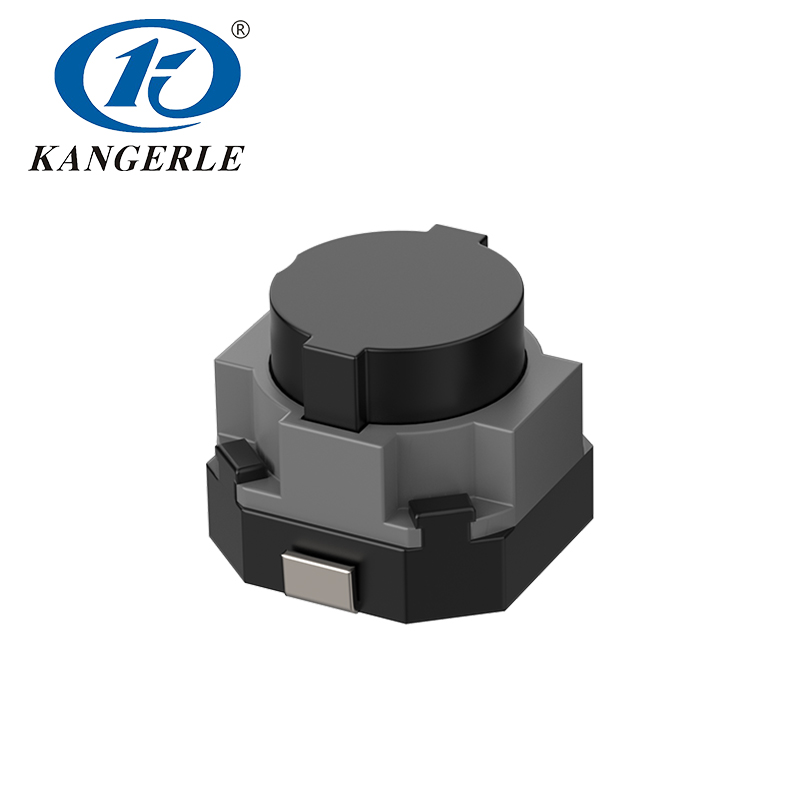 Ein guter Lenkradschalter für Autos Es braucht keine auffälligen Spezifikationen. Es braucht die richtigen Spezifikationen. In der ADAS-Steuerung sind die wichtigen Fragen einfach: Bestätigt der Schalter die Eingabe eindeutig, hält er wiederholter Nutzung stand, bleibt er in Stromkreisen mit niedrigem Strom stabil und passt er in ein dichtes HMI-Gehäuse, ohne die Herstellung des Moduls zu erschweren?
Technische Merkmale, die im realen Fahrzeugeinsatz wichtig sind
KEL-E035 beantwortet diese Fragen mit einem Spezifikationssatz, der den realen Anforderungen im Cockpit entspricht und nicht nur auf Labortheorie basiert.
| Anforderung an die ADAS-Steuerung | Charakteristikum KEL-E035 | Warum es wichtig ist |
|---|---|---|
| Klare Bestätigung per Fingerabdruck | 1,2 ± 0,2 mm Verfahrweg | Genügend Bewegung, um die Betätigung zu bestätigen, ohne dass es sich unklar anfühlt. |
| Unterschiedliches Bediengefühl je nach Funktion | 250/300/350±50 gf Optionen | Ingenieure können das Tastengefühl für ACC-, Kamera-, Audio- oder Modustasten anpassen. |
| Stabiles Verhalten der Schaltung bei geringem Stromverbrauch | 50 mA DC12V Nennstrom | Gut geeignet für HMI-Schaltungen im Automobilbereich auf Signalpegel |
| Zuverlässige Signalübertragung | ≤200 mΩ Kontaktwiderstand | Hilft dabei, ein sauberes Schaltverhalten in kompakten Steuermodulen zu gewährleisten. |
| Elektrische Isolationsreserve | Isolationswiderstand ≥100 MΩ | Nützlich bei dichten Leiterplattenlayouts und Mehrzweckpanels |
| Lange Lebensdauer | 200.000 mechanische Zyklen | Geeignet für hochfrequente Bedienelemente wie Lenkradtasten |
Diese Werte sind in einem modernen digitalen Cockpit absolut sinnvoll. Ein Tastenweg von knapp 1,2 mm sorgt für ein deutliches Druckgefühl, während die drei Kraftstufen es einem Fahrzeugprogramm ermöglichen, kritische Funktionen allein durch das Tastgefühl von Komfortfunktionen zu trennen. Ein festerer Schalter für den ADAS-Modus und ein leichterer für den Medien-Übersprung fühlen sich in der Hand nicht gleich an, und dieser Unterschied ist nützlich.
Wo KEL-E035 in realen ADAS-bezogenen Layouts zum Einsatz kommt
Am Lenkrad kann KEL-E035 hinter Tasten für adaptive Geschwindigkeitsregelung, Spurhalteassistent, Sprachsteuerung oder Kamerafunktionen platziert werden. In der Mittelkonsole eignet es sich für Einparkhilfe, Fahrmodusauswahl, Schnellzugriffstasten für die Klimaanlage oder Navigations-/Audiofunktionen, die eine sofortige Reaktion erfordern. Dieselbe Produktlinie wird auch für elektrische Fensterheber und Heckklappensteuerung angeboten, was die Vielseitigkeit des Systems unterstreicht: Es ist nicht auf eine einzige, eng begrenzte Aufgabe im Cockpit beschränkt. Es unterstützt eine umfassendere HMI-Architektur im Automobilbereich, die auf wiederholter haptischer Eingabe basiert.
Diese Flexibilität ist wichtig, da ADAS-Schnittstellen nicht mehr nur Luxusmodellen vorbehalten sind. Mittelklassefahrzeuge kombinieren heute Lenkradbedienelemente, Tastenkombinationen in der Mittelkonsole und softwaredefinierte Menüs. Bei diesen Konfigurationen muss ein Taster in der Mittelkonsole kompakt, wiederholgenau und einfach auf die Bedürfnisse des Nutzers anpassbar sein. KEL-E035 wird von KANGERLE bereits als Referenzbauteil für Lenkrad- und ADAS-Diskussionen verwendet, wobei ein klares Klick-Feedback und eine kompakte Integration als entscheidende Vorteile gelten.
KEL-E035 vs ALPS SKPM Serie
Für viele Beschaffungsteams ist die eigentliche Frage nicht, ob ein Taktschalter funktioniert. Die Frage ist vielmehr, ob er eine etablierte Referenz ersetzen kann, ohne dass Bedienkomfort, Zuverlässigkeit oder Anwendungseignung beeinträchtigt werden.
Funktionsvergleich für Ersatzentscheidungen
Die SKPM-Serie von ALPS umfasst 5,9 × 6,0 × 5,0 mm große, oberflächenmontierbare Taktilschalter mit langem Hub und weichem Tastgefühl (1,3 mm Hubweg). Sie zeichnen sich durch geringen Kontaktwiderstand aus und finden Anwendung in der Automobilindustrie, beispielsweise in Lenkrädern, Schalthebeln, Dachkonsolen, Navigations-/Audiosystemen und Klimaanlagen. Die Serie bietet Betätigungskräfte von 1,57 N bis 3,0 N und eine Lebensdauer von 100.000 Schaltzyklen. Der Schalter KEL-E035 bietet einen Hubweg von 1,2 mm, Betätigungskräfte von ca. 2,45 N, 2,94 N und 3,43 N sowie 200.000 mechanische Schaltzyklen.
| Artikel | KEL-E035 | ALPS SKPM-Serie |
|---|---|---|
| Schaltertyp | Taktschalter für Kraftfahrzeuge | Oberflächenmontierter TACT-Schalter |
| Reisen | 1,2 ± 0,2 mm | 1,3 mm |
| Kraftbereich | 250/300/350±50 gf | 1.57 N / 1.96 N / 2.45 N / 3.0 N |
| Kontaktwiderstand | ≤200 mΩ | 100 mΩ max. |
| Leben | 200.000 mechanische Zyklen | 100.000 Zyklen |
| Typische Verwendung im Automobilbereich | Lenkrad, Mittelkonsole, elektrische Fensterheber, Heckklappe | Lenkrad, Schalthebel, Dachkonsolen, Navigations-/Audiosystem, Klimaanlage |
Aus Sicht der Schaltfunktion erfüllt die KEL-E035 dieselbe Kernaufgabe wie die SKPM-Serie in ADAS- und Cockpit-Steuerungen: taktile Eingabe von oben mit langem Hub für Automotive-HMI. Für Anwendungen dieser taktilen Klasse kann die KEL-E035 die Schaltfunktion der ALPS SKPM-Serie in ADAS-Steuermodulen vollständig ersetzen und bietet gleichzeitig eine höhere Lebensdauer und einen größeren Regelbereich für die Krafteinstellung seitens KANGERLE. Der praktische Nutzen liegt nicht nur im funktionalen Ersatz, sondern auch in der flexibleren Lieferkette. Im Gegensatz zur ALPS SKPM-Serie, bei der sich die Tastenabdeckungen leicht lösen können, verhindert die Konstruktion der KEL-E035 effektiv das Abfallen der Tastenabdeckungen und verbessert so die Gesamtstabilität und Zuverlässigkeit der Maschine.
Warum ZHEJIANG KANGERLE ELECTRONICS CO. LTD ein praktischer Lieferpartner ist
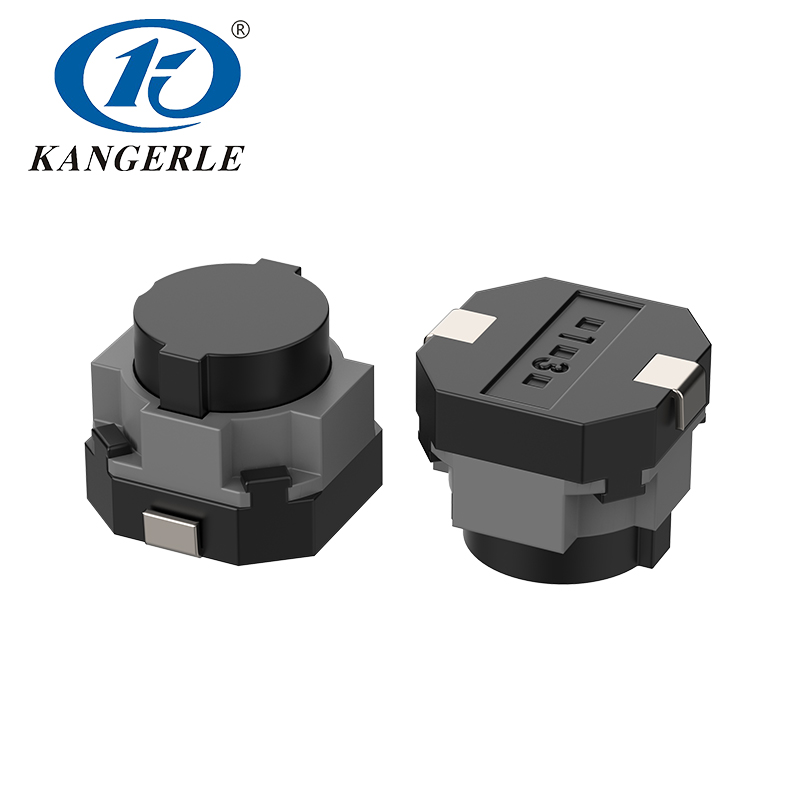 Bei der Entscheidung für einen Schalteraustausch geht es nie nur um die Teilenummer. Es geht auch darum, ob der Lieferant Zeichnungen, Muster, kundenspezifische Anpassungen und die Produktion unterstützen kann, ohne das Fahrzeugprogramm zu verzögern.
Unternehmens- und Produktvorteile
ZHEJIANG KANGERLE ELECTRONICS CO. LTD Das Unternehmen wurde Anfang der 1990er-Jahre gegründet und konzentriert sich seit Langem auf Mikroschalter, Detektorschalter, Endschalter, Wippschalter, Schiebeschalter, Taktschalter und Drucktaster für Anwendungen in der Automobilindustrie, der Kommunikationstechnik, der Sicherheitstechnik, der Computertechnik und der Haushaltsgeräteindustrie. Es ist nach ISO 9001:2015 und IATF 16949 zertifiziert und verfügt über Zertifizierungen wie CB, CE, CQC, TÜV, UL und RoHS. Die monatliche Produktionskapazität beträgt über 50 Millionen Stück. Das Unternehmen bietet OEM/ODM-Services, ein umfassendes Portfolio an Schalterprodukten, Unterstützung bei der Entwicklung von Automobilkomponenten, Werkzeugkonstruktion, kostenlose Musterprüfung und Serienfertigung.
Das ist insbesondere für KEL-E035 relevant. Taktilschalter KEL-E035 von KANGERLE ELECTRONICS Kann die Funktionalität von Premium-Markenschaltern in ADAS-Steuerungen und Automotive-HMIs vollständig ersetzen und bietet gleichzeitig kürzere Lieferzeiten, geringere Kosten und Unterstützung bei der kundenspezifischen Anpassung. Der OEM/ODM-Prozess umfasst Material, Abmessungen, Betätigungskraft, Hub, Strombedarf und Anpassung an spezielle Umgebungsbedingungen – genau die Art von Unterstützung, die ein Projekt für Lenkradschalter oder Mittelkonsolenschalter häufig in der späten Entwicklungsphase benötigt.
Abschluss
Die ADAS-Steuerung ist nur so gut wie die dazugehörige Bedienoberfläche. Ein unpräziser Schalter, der schnell verschleißt oder zusätzliche visuelle Bestätigungen erfordert, beeinträchtigt die gesamte Mensch-Maschine-Schnittstelle. KEL-E035 ist ideal für die moderne Cockpit-Welt geeignet, da es taktiles Feedback mit langem Hub, verschiedene Krafteinstellungen, Kompatibilität mit Niedrigstromsignalen und eine Lebensdauer von 200.000 Zyklen in einem Bauteil vereint, das bereits für Lenkrad und Mittelkonsole konzipiert ist. Für Fahrzeugprogramme, die eine Alternative zur ALPS SKPM-Serie suchen, bietet es einen zuverlässigen Ersatz mit einem flexibleren Liefermodell.
Häufig gestellte Fragen
Was macht einen Takt-Schalter für die ADAS-Steuerung geeignet?
Ein taktiler Schalter für ADAS-Steuerungen sollte eine klare taktile Rückmeldung, ein stabiles Schaltverhalten bei geringem Stromverbrauch, eine lange Lebensdauer und eine durch Berührung gut unterscheidbare Kraftstufe bieten. Der KEL-E035 erfüllt diese Anforderungen mit einem Schaltweg von 1,2 ± 0,2 mm, drei Kraftstufen und einer mechanischen Lebensdauer von 200.000 Schaltzyklen.
Kann die KEL-E035-Serie die ALPS SKPM-Serie in Lenkradschaltermodulen für Kraftfahrzeuge ersetzen?
Funktional gesehen ja. KEL-E035 deckt die gleiche Art von taktilen Langhubschaltern ab, die in Lenkrad- und Cockpit-HMI-Modulen verwendet werden, und bietet eine höhere angestrebte Lebensdauer als die veröffentlichten Daten der SKPM-Serie. Die endgültige Freigabe für die Serienproduktion hängt jedoch weiterhin von den Zeichnungen und dem Validierungsprozess des OEM ab.
Sind 200.000 Schaltzyklen für einen Taster in der Mittelkonsole eines Autos ausreichend?
Für häufig genutzte Cockpit-Tasten sind 200.000 mechanische Schaltzyklen ein ambitioniertes Ziel. Dies ist besonders sinnvoll für Bedienelemente, die Fahrer bei jeder Fahrt verwenden, wie z. B. ACC-Tasten, Kamera-Shortcuts, Klimaanlagen-Tasten und Mediensteuerungen.
Kann KANGERLE einen taktilen Schalter für die Automobilindustrie individuell anpassen?
Ja. Der OEM/ODM-Prozess von KANGERLE unterstützt Änderungen hinsichtlich Materialien, Abmessungen, Betätigungskraft, Betätigungsweg, Strombedarf und Einsatz in speziellen Umgebungen. Dies ist hilfreich für Projekte im Bereich Lenkradschalter und Mittelkonsolen-HMI in der Automobilindustrie, die ein bestimmtes Bediengefühl oder eine spezielle Bauform erfordern.
Warum sind physische Tasten in ADAS-HMI immer noch wichtig?
Weil der Fahrer oft schnelle und ablenkungsarme Eingaben benötigt. Aktuelle Sicherheits- und Benutzerfreundlichkeitsstudien bevorzugen weiterhin physische Bedienelemente für wichtige Fahrzeugfunktionen, und auch die HMI-Bewertungsrichtung von Euro NCAP für 2026 spiegelt diesen Wandel wider.