
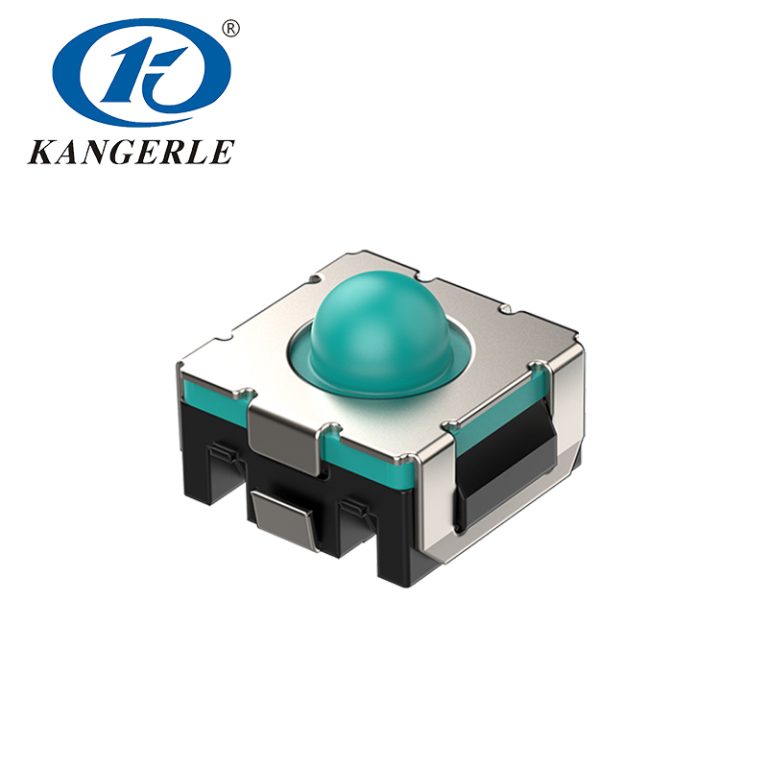
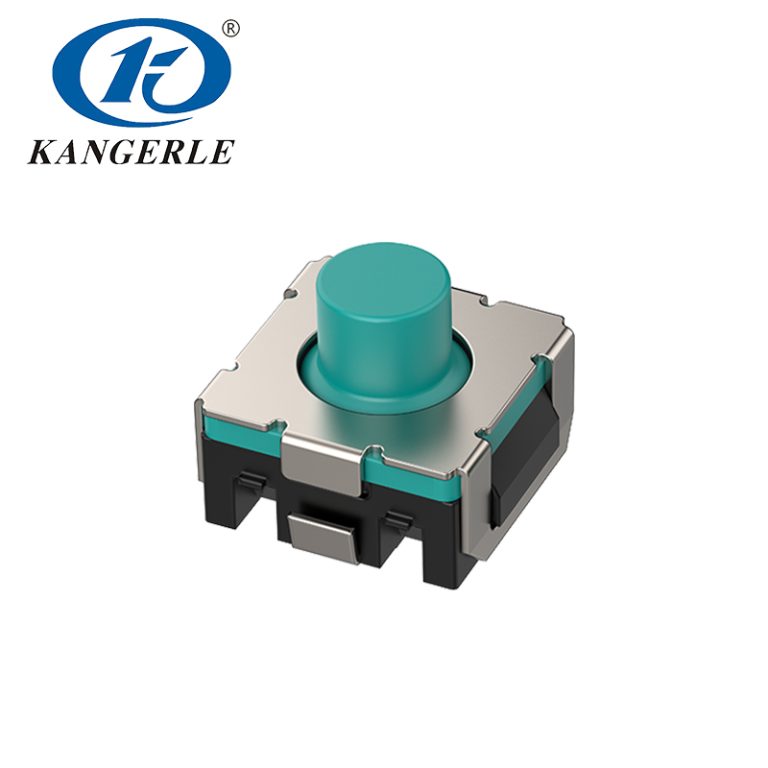
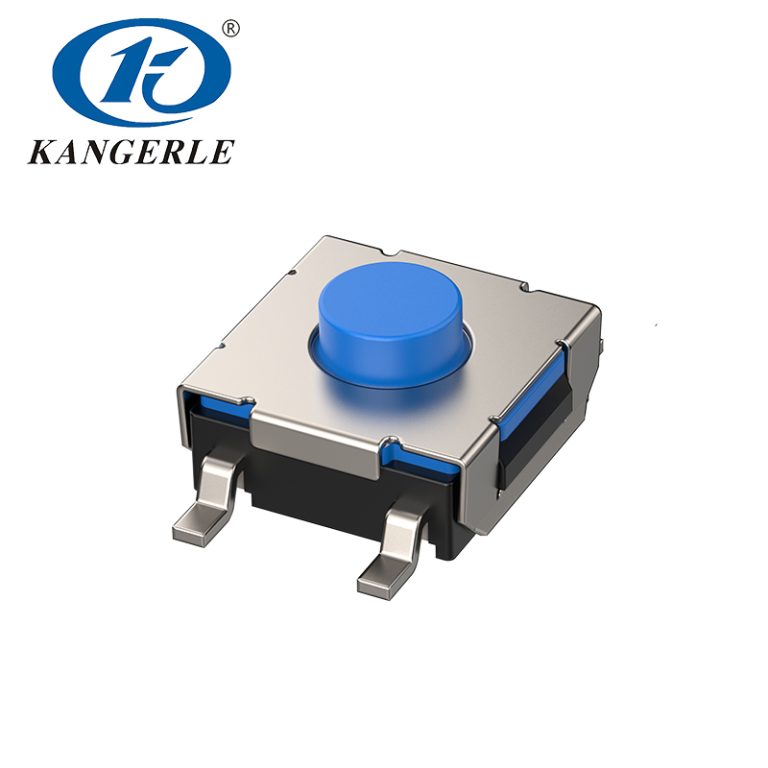
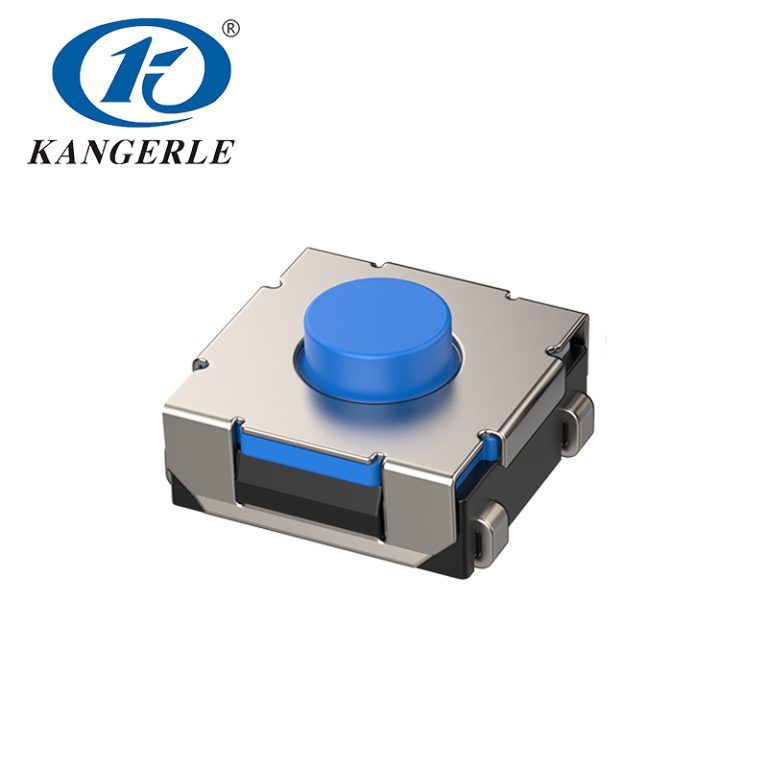
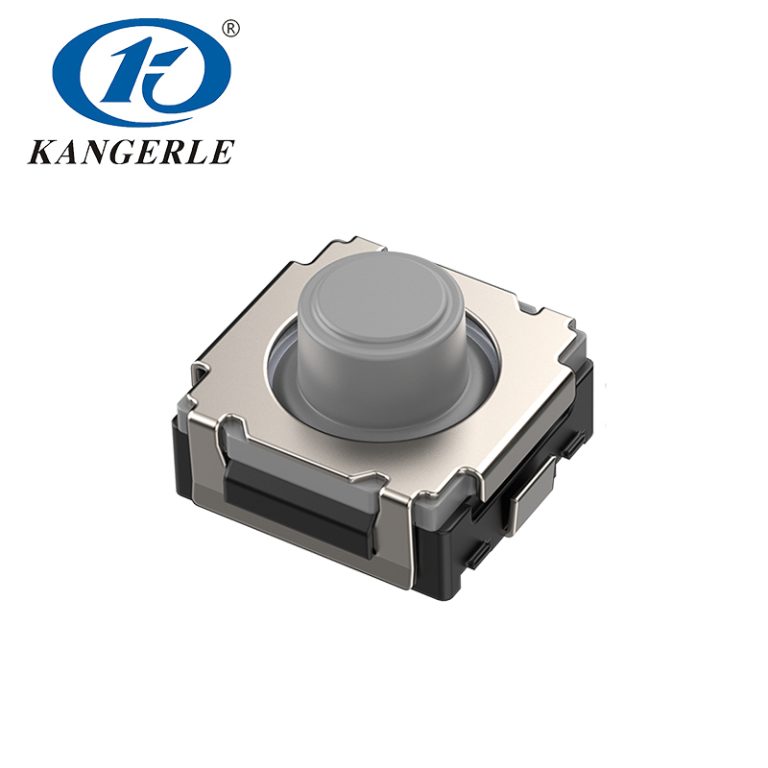
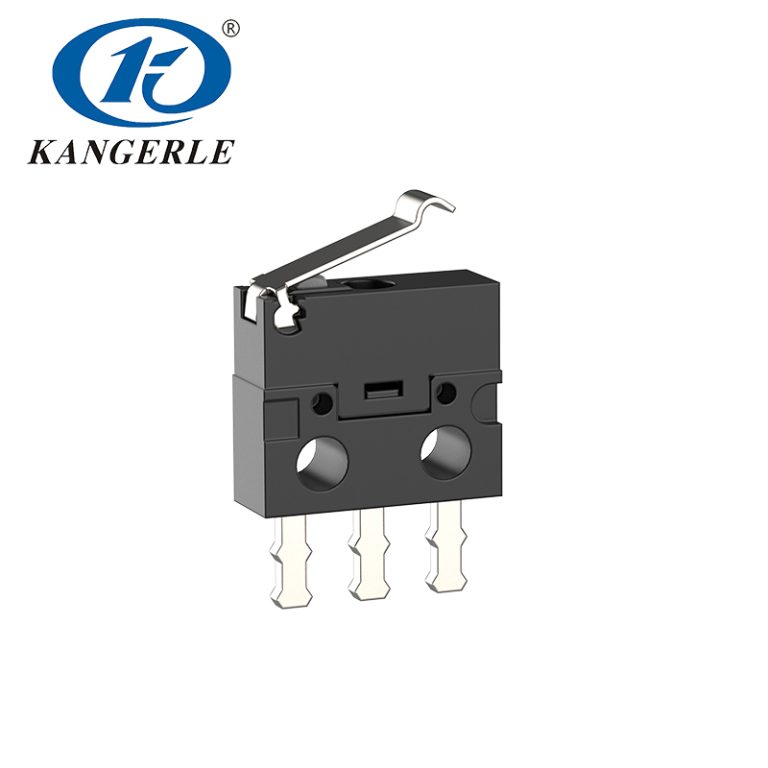
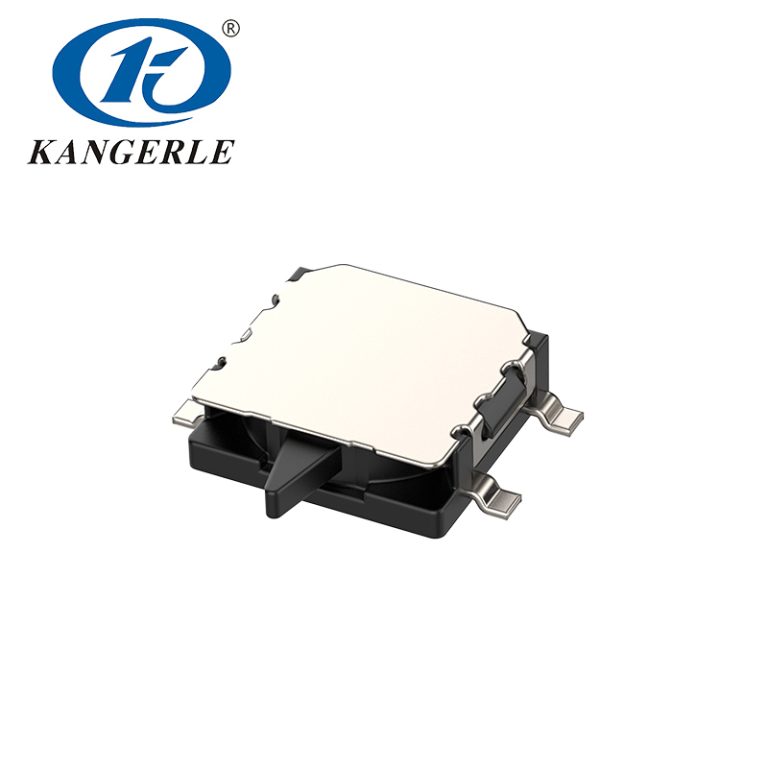
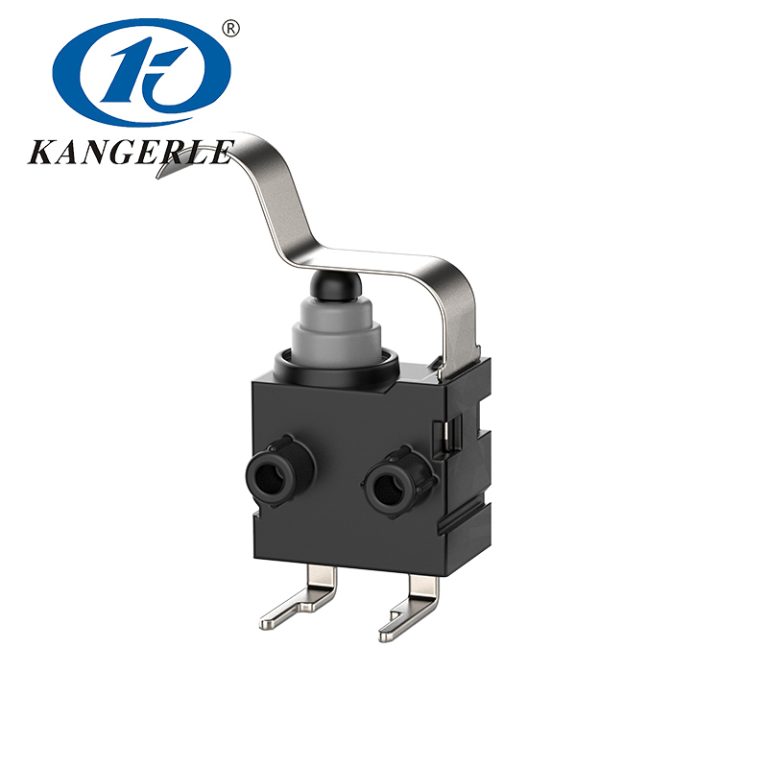
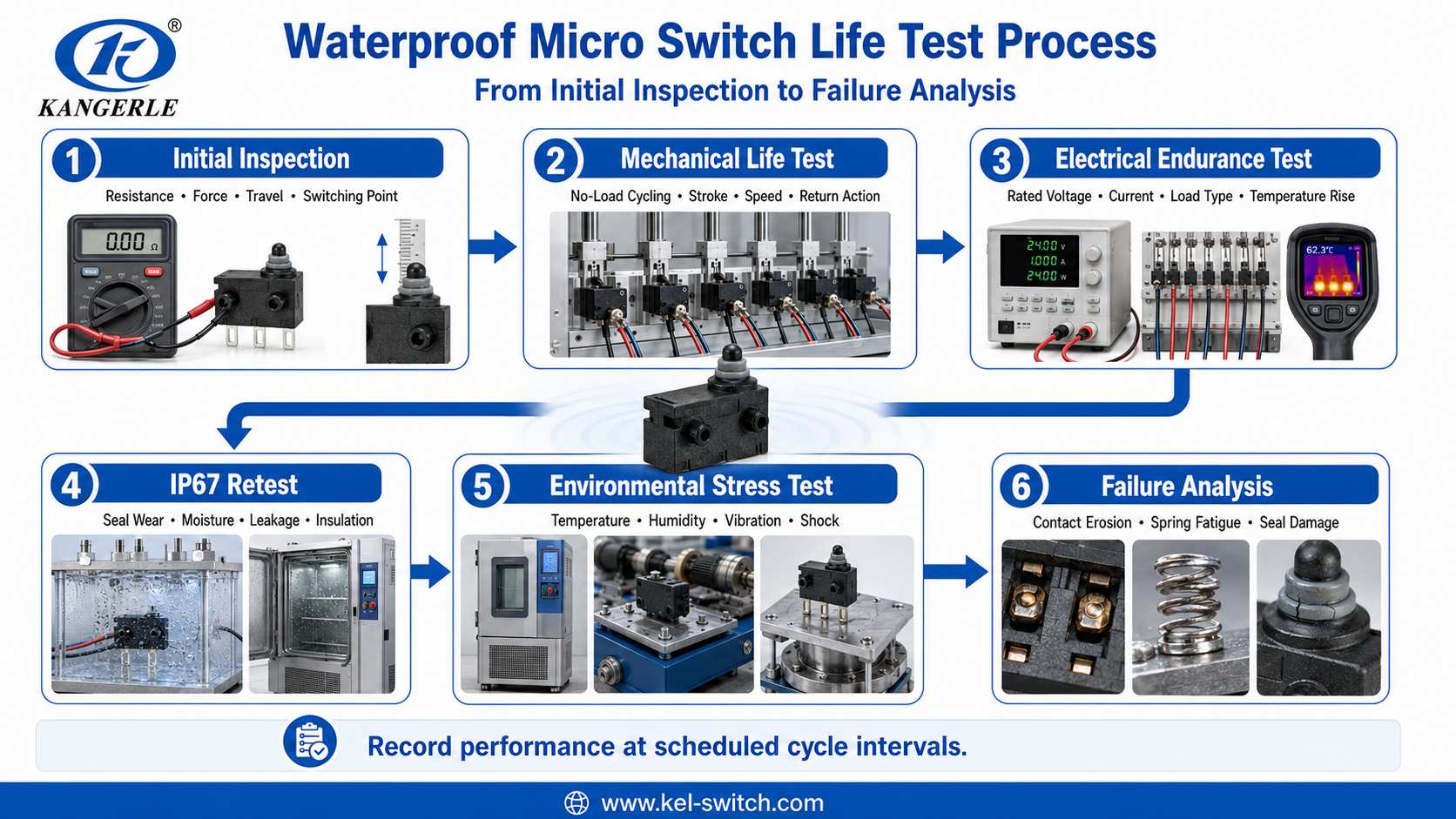
A waterproof micro switch may sit inside a car door latch, EV charging gun, floor scrubber, washing machine, or shared-bike lock. Its failure can stop a motor, trigger a false signal, or leave a safety interlock open. Waterproof micro switch life testing therefore needs more than a cycle counter.
A useful plan checks mechanical wear, electrical endurance, contact stability, sealing, temperature, humidity, vibration, and final mounting. It also separates mechanical life from electrical life because the two figures answer different questions.
What Product Life Really Means
A life rating only has value when the conditions are stated. Load, voltage, current type, actuator travel, switching speed, temperature, and sample size can all change the result.
Mechanical Life and Electrical Life
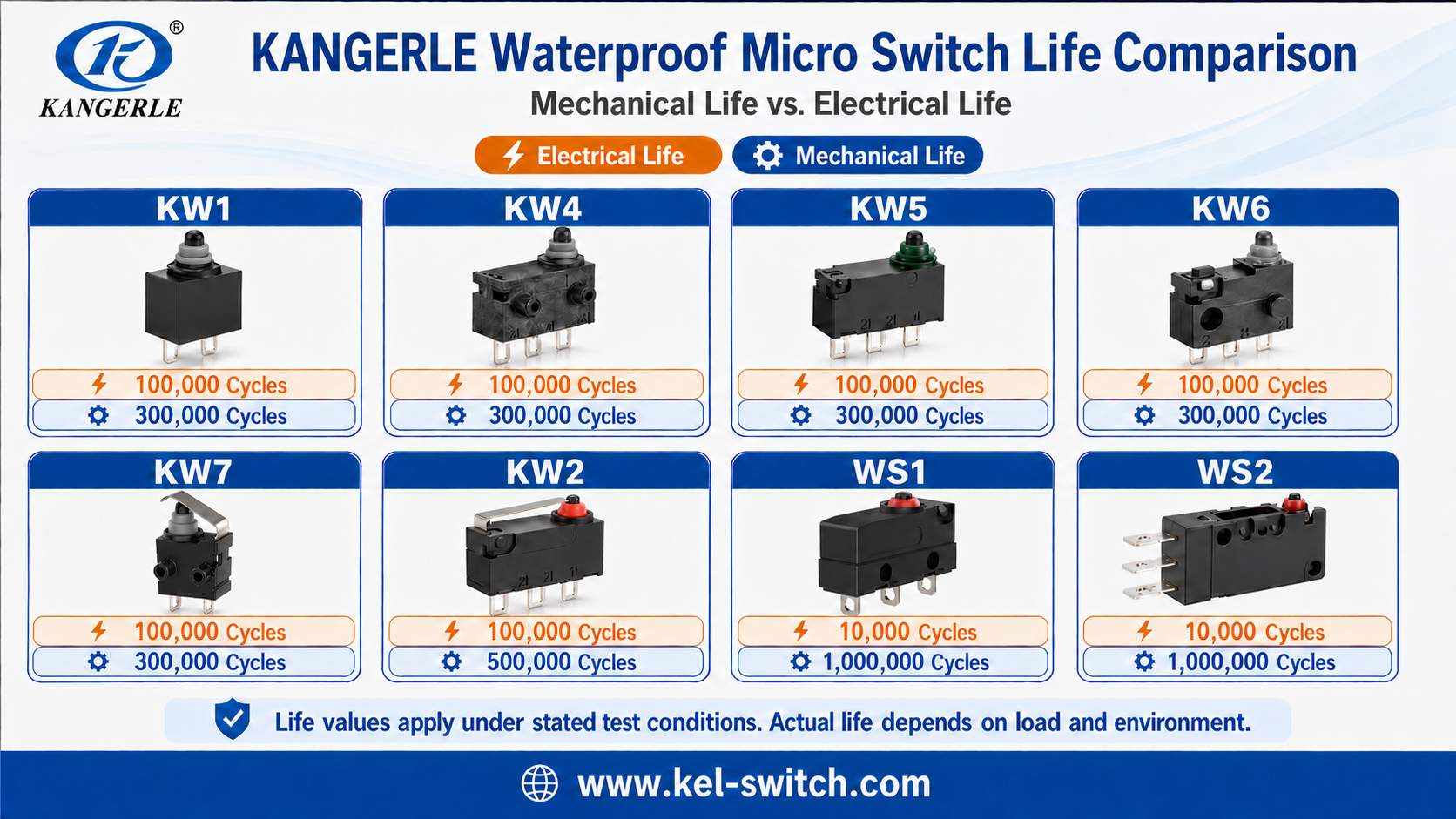
Mechanical life is the number of switching cycles completed with no electrical load, or under the no-load conditions in the test plan. It mainly reflects the durability of the snap-action mechanism, spring, plunger, lever, housing, and return action.
Electrical life measures operation at a defined rated load. Contact arcing, heat, material transfer, oxidation, and welding now become part of the test. A switch may pass 300,000 mechanical cycles yet reach a lower electrical life under a motor or inductive load.
| Test item | Main question | Typical measurements |
|---|---|---|
| Mechanical life test | Can the mechanism keep moving correctly? | Force, travel, return action |
| Electrical life test | Can the contacts keep switching the load? | Resistance, heat, missed operations |
| IP67 waterproof test | Does the seal still block dust and water? | Leakage, insulation, moisture |
| Environmental test | Does performance remain stable? | Vibration, shock, humidity, temperature |
Standards Used in Micro Switch Reliability Testing
No single standard covers every finished product. The switch standard, ingress rating, application sector, and customer specification usually work together.
IEC 61058 and UL 61058
IEC 61058-1 gives general requirements for appliance switches, while IEC 61058-1-1 covers mechanical switching devices. Together they provide a framework for construction, ratings, endurance, temperature rise, dielectric properties, and abnormal operating conditions.
North American appliance programs may also use UL 61058 requirements, depending on the product and rated circuit.
IEC 60529 and IP67
IEC 60529 defines ingress protection codes. For an IP67 micro switch, the first digit indicates dust protection and the second covers temporary immersion under stated conditions.
IP67 is not a lifetime rating and does not make the complete equipment enclosure waterproof. Wiring, potting, cable strain, connectors, and mounting details still matter.
Automotive Environmental Testing
Automotive waterproof micro switch projects often add ISO 16750-3 tests for mechanical loads and ISO 16750-4 tests for climatic loads. A door-lock switch may face road vibration, door-slam shock, winter cold, cabin heat, wash water, and salt-laden moisture. The test profile should match the mounting location.
A Practical Waterproof Micro Switch Life Test Method
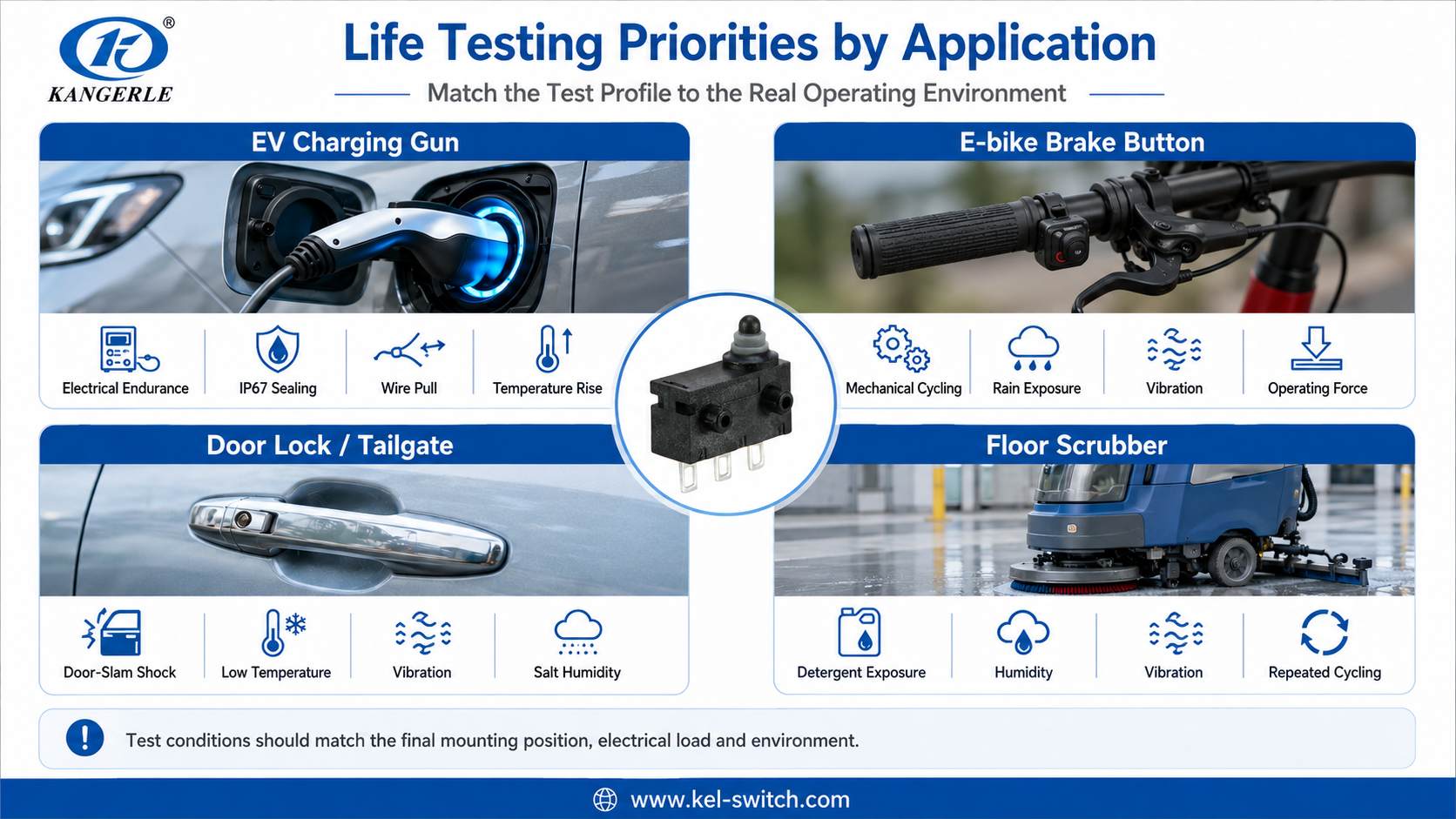
A strong plan starts with baseline data, runs controlled cycling, and checks performance drift. Testing only at the end can miss when degradation began.
Record Baseline Performance
Before cycling, record:
- contact resistance and insulation resistance
- operating force, release force, pre-travel, and over-travel
- contact bounce and switching point
- terminal alignment, wire condition, and seal appearance
- circuit, rated load, switching frequency, and temperature
Photographs help track cracks, terminal movement, potting gaps, or lever wear.
Run the Mechanical Life Test
A micro switch test machine should press the actuator in the direction used in the product. Side loading may create a false failure, while excessive over-travel can damage the mechanism.
The fixture should control stroke, speed, dwell time, and release. Checks at 10,000, 50,000, and 100,000 cycles can reveal force or switching-point drift.
Run the Electrical Endurance Test
The electrical life test must use the declared voltage, current, and load type. Resistive, inductive, motor, lamp, and DC loads behave differently. A small DC motor can create a high inrush and strong arc even when its steady current looks modest.
During the micro switch endurance test, watch for resistance drift, heat, delayed switching, welding, chatter, or intermittent open circuits. A data logger can capture brief failures.
Repeat the Waterproof Test After Cycling
A new sealed switch may pass IP67, then leak after long use. Repeating the IP67 waterproof test after cycling gives a better view of sealed micro switch durability.
After exposure, check for internal moisture, corrosion, insulation loss, sticky movement, and unstable continuity. Test the final assembly too because water may enter around a connector, cable gland, seam, or mounting screw.
Add Combined Environmental Stress
Field failures rarely come from one stress at a time. Useful combinations include:
- temperature cycling followed by powered operation
- humidity followed by insulation measurement
- vibration with continuity monitoring
- shock followed by operating-force checks
- detergent, oil, or salt exposure where required
A floor scrubber switch may face vibration, alkaline cleaner, and repeated movement in one shift. Separate tests can miss the interaction.
Pass/Fail Criteria and Common Failure Modes
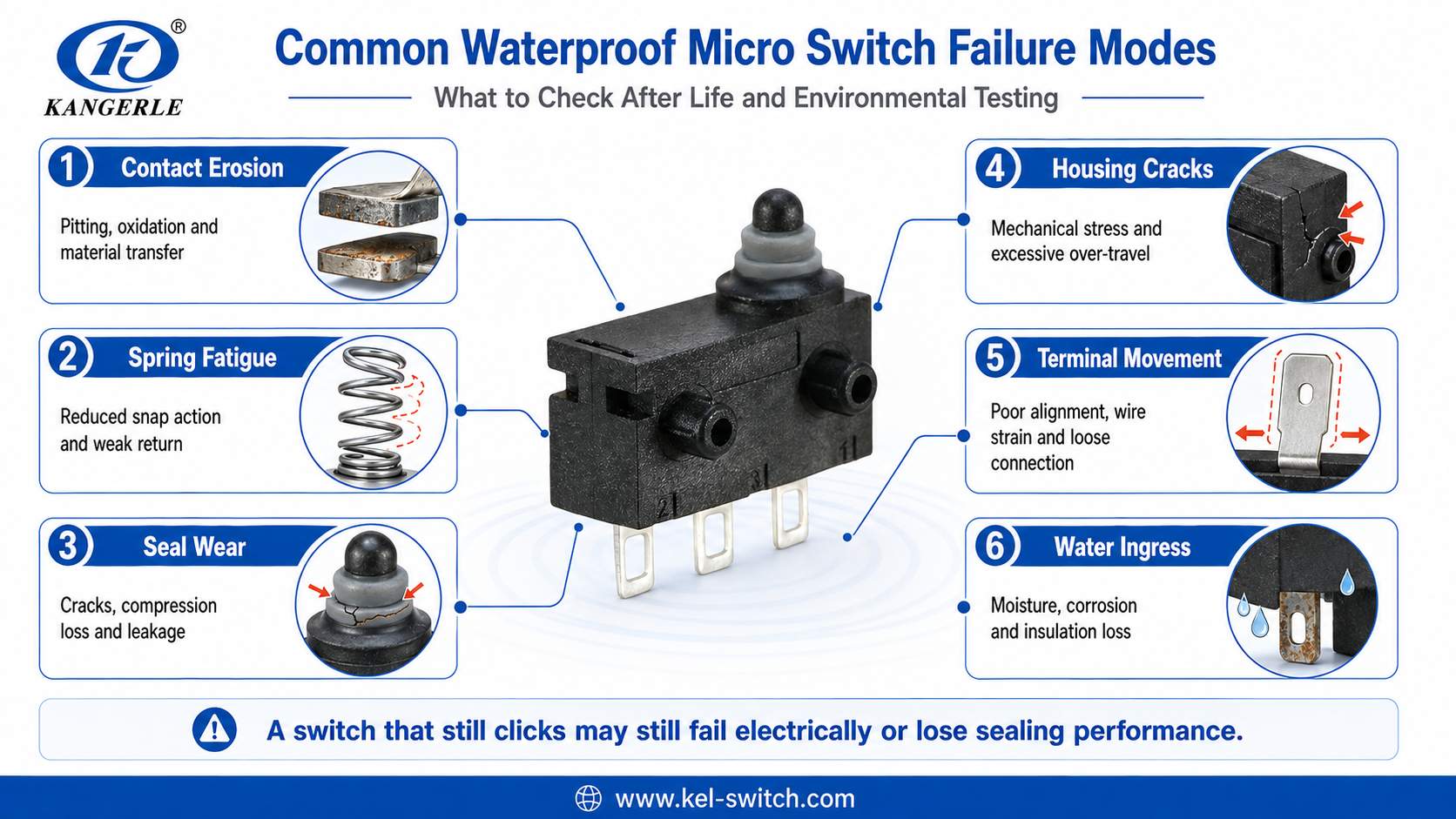
A pass result needs measurable limits. “Still clicks” is not enough.
Failure criteria may include high contact resistance, low insulation resistance, missed switching, contact welding, actuator sticking, force or travel outside tolerance, housing cracks, terminal movement, or water ingress.
Micro switch failure analysis often points to spring fatigue, contact erosion, seal wear, poor alignment, wire strain, excessive speed, or the wrong load. Opening failed samples can reveal pitting, corrosion, or deformed seals.
Matching Test Data to KANGERLE Waterproof Switches
Product selection should begin with the real circuit and environment, not the highest cycle number in a catalog.
KW4-1A-A-B3 for Compact DC Signal Detection
The KW4-1A-A-B3 waterproof micro switch is rated at 0.1 A, 12 V DC and offers SPDT, SPST-NO, and SPST-NC circuits. Its regular operating force is listed at no more than 150 gf. Product data gives at least 100,000 electrical cycles and 300,000 mechanical cycles, with IP67 protection after wiring.
This combination suits compact detection in charging guns, car door locks, tailgate locks, e-scooter brake locks, and shared-bike locks. Validation should still use the actual actuator, harness, and enclosure.
Other Waterproof Micro Switch Options
KW1 fits very small sealed structures. KW2 provides several actuator and terminal layouts for automotive locks and charging equipment. WS1 serves miniature IP67 applications, while WS2 addresses higher-current waterproof switching. KW5, KW6, and KW7 add more choices for sealed automotive, appliance, and industrial designs.
Compare body size, terminal direction, wire exit, circuit, force, travel, rating, temperature range, and target life before sample testing.
ZHEJIANG KANGERLE ELECTRONICS CO. LTD
ZHEJIANG KANGERLE ELECTRONICS CO., LTD is a switches manufacturer located in Wenzhou, China that has manufacturing capabilities starting from the early 1990s. Products offered include water-resistant micro switches, sensor switches, rocker switches, slide switches, tact switches, push button switches, and connectors designed for automotive, home appliances, security, industrial, medical and consumer electronics applications.
Monthly output exceeds 50 million units. Quality control systems include ISO 9001:2015 and IATF 16949:2016. Custom manufacturing services can involve molds, materials, size, actuation force, travel, current and wiring and extreme environments. Pre-production samples can be supplied.
Conclusione
Waterproof micro switch life testing should connect standards with real use. Mechanical cycles, rated-load endurance, post-cycle IP67 checks, environmental stress, and clear failure limits give better decisions than a single life figure. The right switch is the one that keeps its signal, action, and seal in the actual assembly.
FAQ
How long does a waterproof micro switch last?
It depends on design, rated load, switching speed, temperature, and environment. Mechanical life and electrical life should be checked separately. The KW4-1A-A-B3, for example, lists at least 300,000 mechanical cycles and 100,000 electrical cycles under stated conditions.
Does IP67 guarantee long electrical life?
No. IP67 describes resistance to dust and temporary immersion. Electrical life depends on contact design, voltage, current, load type, arcing, and switching frequency.
Should an IP67 micro switch be tested again after life cycling?
Yes. Post-cycle waterproof testing can reveal seal wear, terminal movement, cracking, or leakage that was not present in a new sample.