

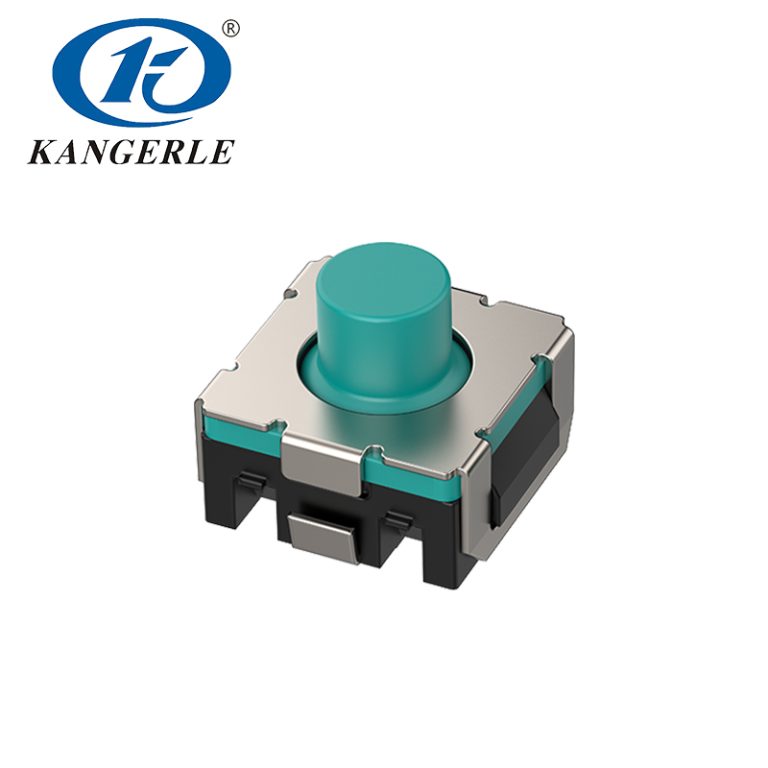
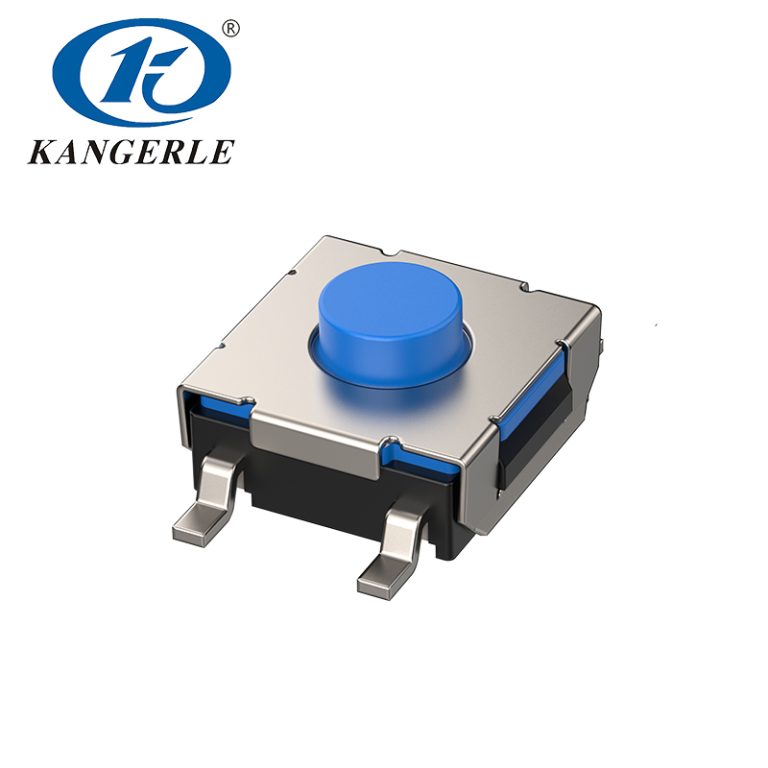
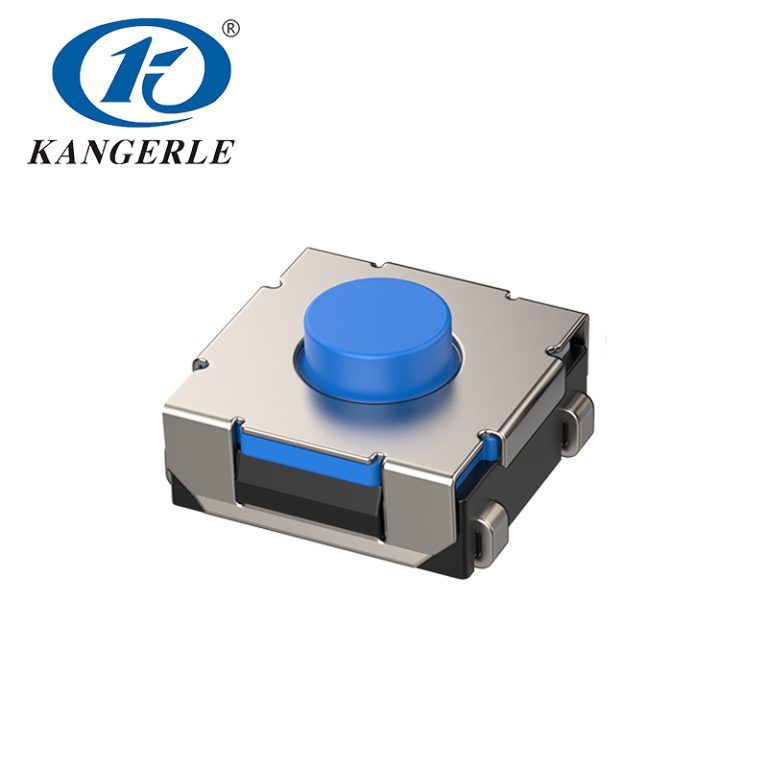
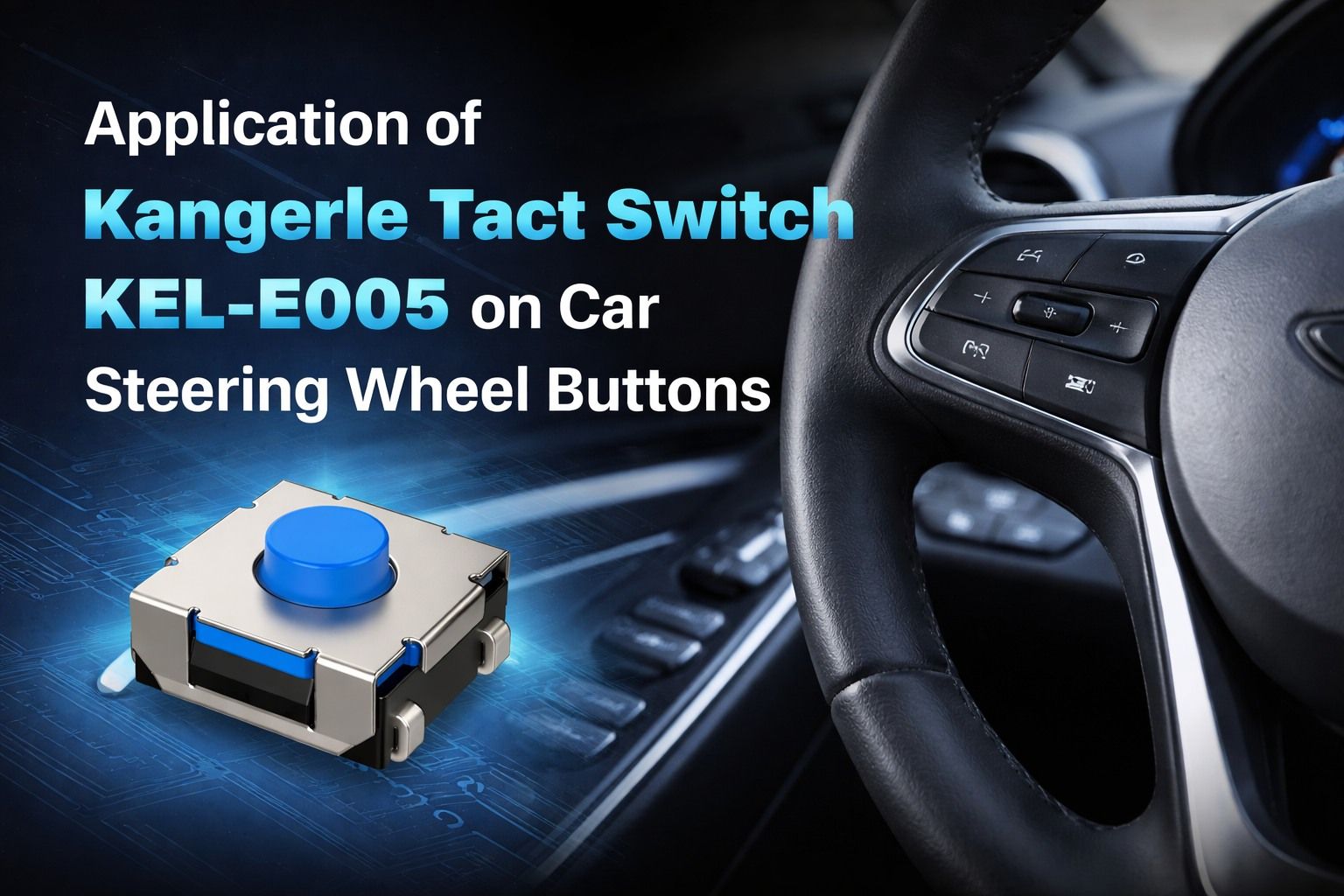
در یک ماژول کنترل فرمان، سوئیچ زیر هر دکمه کاری بیش از بستن یک مدار انجام میدهد. این سوئیچ، احساس راننده، صدای داخل کابین، سرعت واکنش دکمه و حتی پایداری بلندمدت کل مجموعه را شکل میدهد. به همین دلیل است که سوئیچهای لمسی، حتی با دیجیتالیتر شدن فضای داخلی خودرو، همچنان یک انتخاب کاربردی برای کنترلهای فرمان هستند. تحقیقات و پوشش صنعتی پیرامون کنترلهای فرمان، به طور مداوم بر ارزش بازخورد لمسی، حواسپرتی کم، طراحی بستهبندی جمعوجور و عملکرد پایدار در شرایط رانندگی واقعی تأکید میکند.
برای عملکردهای رایج فرمان مانند کم و زیاد کردن صدا، تغییر آهنگ، پاسخ دادن/قطع تماس، کروز کنترل و بیدارباش صوتی، این کلید باید به طور واضح و بدون نیاز به فشار عمیق یا تلاش مجدد عمل کند.
چرا کلیدهای لمسی هنوز در کنترلهای فرمان اهمیت دارند؟
رانندگان مدرن دائماً از دکمههای روی فرمان استفاده میکنند. یک رفت و آمد کوتاه ممکن است شامل تغییر موسیقی، تنظیم صدا، پاسخ دادن به تماس یا فعال کردن چندین بار دستیار صوتی باشد. در این مواقع، یک دکمه فیزیکی با حس فشار واضح هنوز یک مزیت بزرگ دارد: میتوان از آن با توجه بصری کمتری نسبت به یک سطح لمسی صاف استفاده کرد. گزارشهای اخیر در مورد روندهای HMI خودرو نیز به بازگشت گستردهتر به کنترلهای فیزیکی برای عملکردهای پرکاربرد اشاره دارد.
به همین دلیل است که یک سوئیچ لمسی خودرو برای ماژولهای فرمان معمولاً باید چهار کار را به طور همزمان انجام دهد:
- بازخورد لمسی واضح
- اندازه جمع و جور برای طرح بندی ماژول های فشرده
- تماس الکتریکی پایدار
- مقاومت در برابر لرزش، گرد و غبار، رطوبت و استفاده مکرر
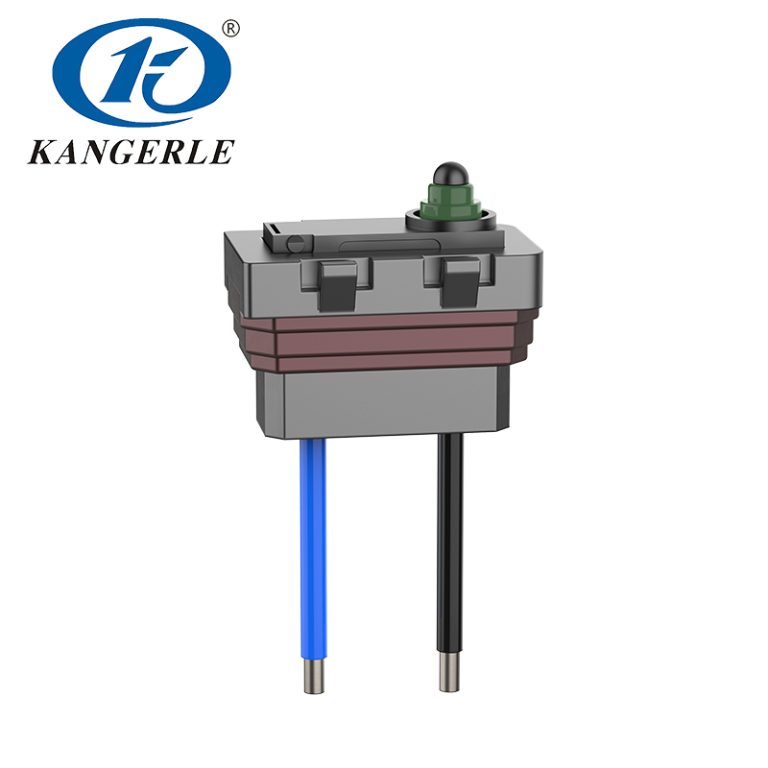
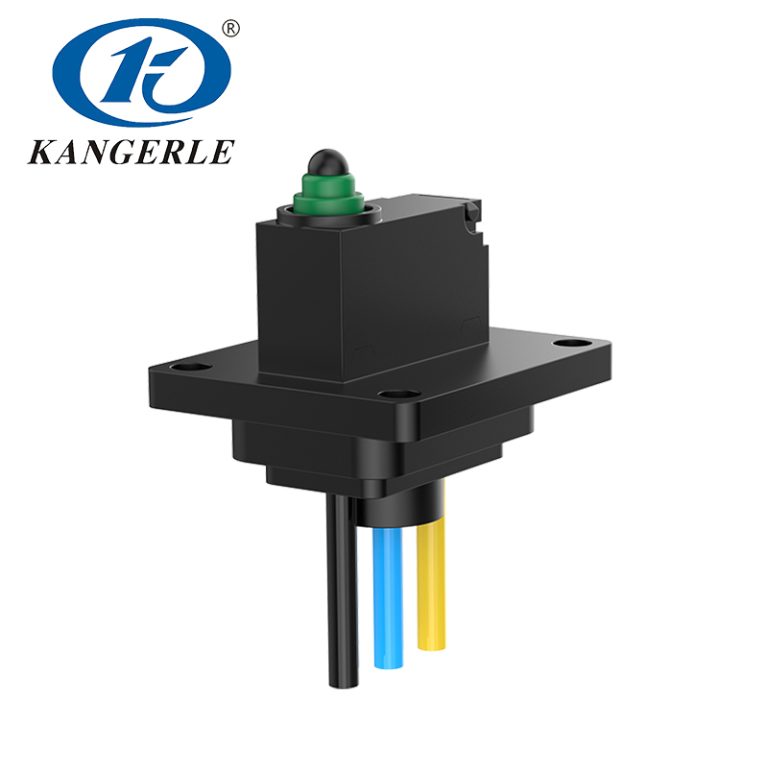
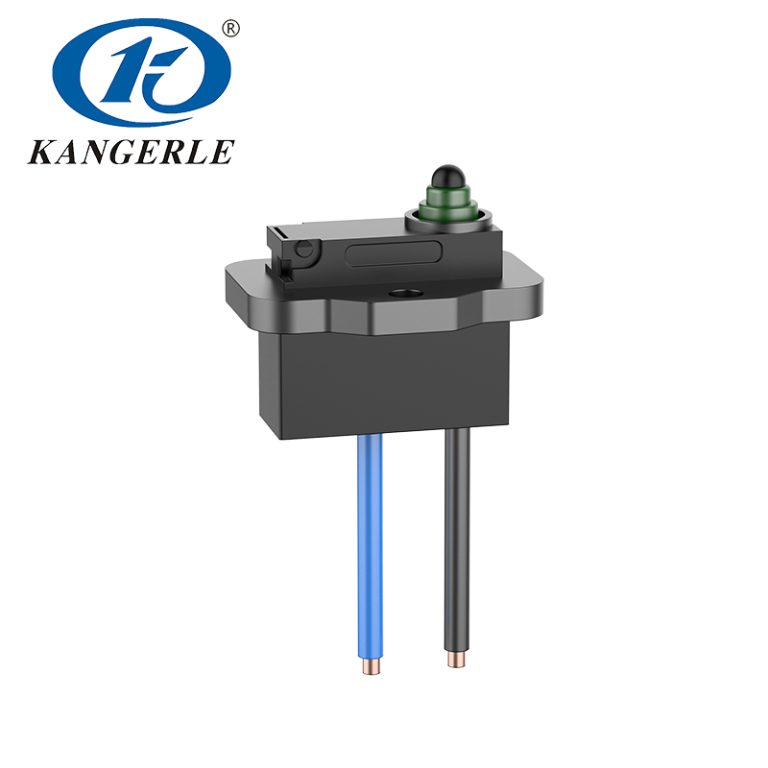
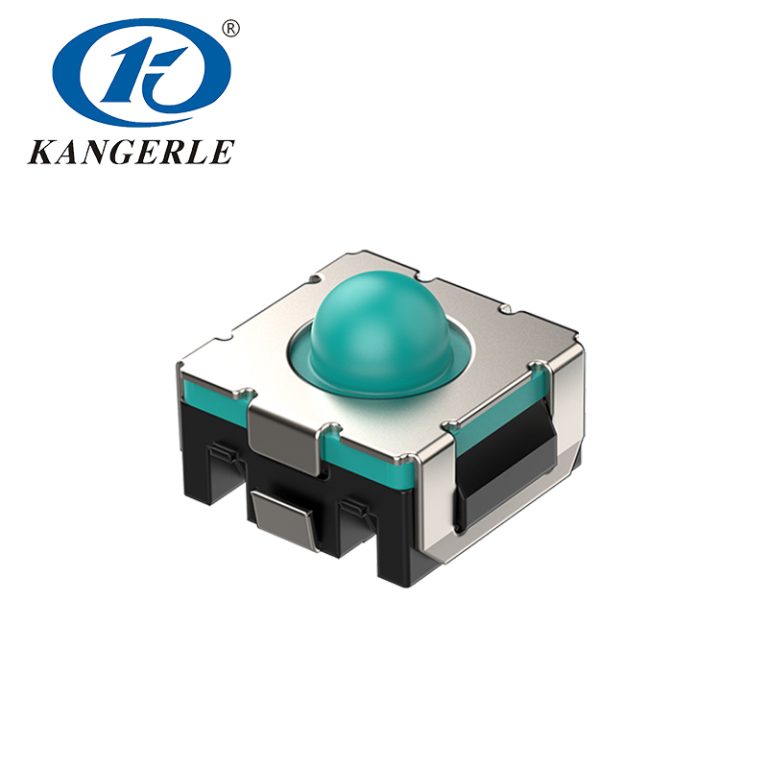
سوئیچ تاکتیکی Kangerle KEL-E005 دقیقاً بر اساس همین نیازها توسعه داده شده است. KEL-E005 که به طور خاص برای کاربردهای خودرو طراحی شده است، دارای نیروی محرک استاندارد 350 گیگافن بر فوت و رتبه ضد آب IP67 است. این قطعه عمر مفید تا یک میلیون سیکل را ارائه میدهد و مشخصات آن شامل بار نامی 50 میلیآمپر در 12 ولت DC، فاصله حرکت 0.5 ± 0.2 میلیمتر، مقاومت تماس ≤ 50 میلیآمپر و مقاومت عایق ≥ 100 میلیآمپر است.
محل قرارگیری KEL-E005 در ماژول دکمه فرمان خودرو
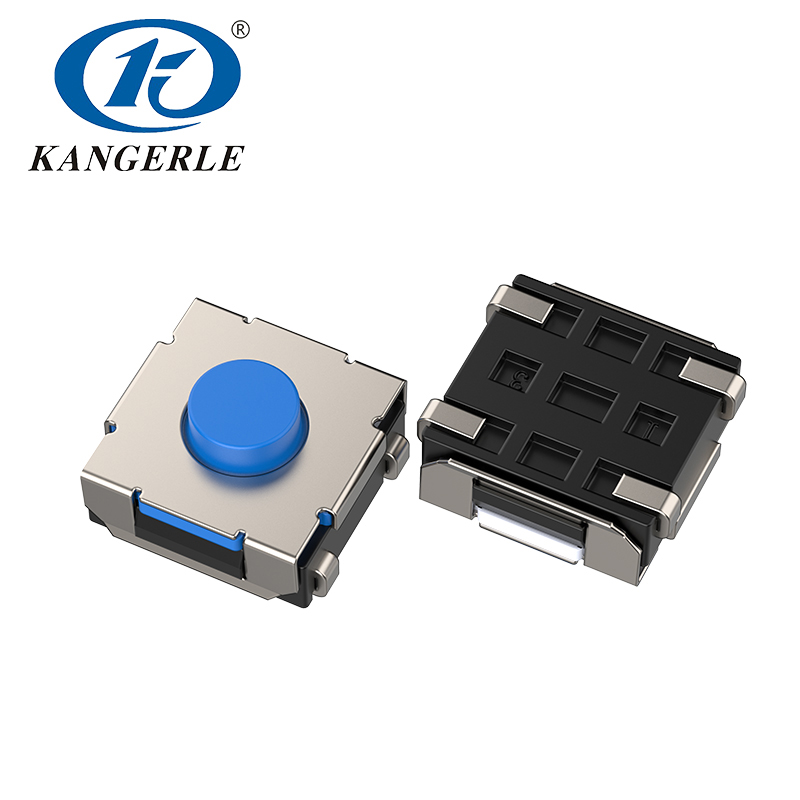
درون مجموعه دکمههای روی فرمان، خود سوئیچ باید زیر یک درپوش پلاستیکی قرار بگیرد، با یک ساختار گنبدی یا کلیدی کار کند و در طول فشار دادنهای مکرر، حس پایداری را حفظ کند. سوئیچ KEL-E005 به گونهای طراحی شده است که در ماژولهای دکمه روی فرمان، جایی که فضا کم است و دوام ضروری است، عملکرد فوقالعادهای داشته باشد. بیایید کاربردهای خاص این سوئیچ را در کنترلهای روی فرمان بررسی کنیم.
دکمههای سیستم صوتی و اطلاعات سرگرمی
این معمولاً ناحیهای با بالاترین فرکانس روی فرمان است. رانندگان اغلب، گاهی اوقات پشت سر هم و سریع، این دکمهها را فشار میدهند. یک سوئیچ دکمهای روی فرمان در این مکان به یک نقطه ماشه تمیز و مقاومت تماسی کم نیاز دارد تا فرمان بدون تأخیر یا رفتار سیگنال ناپایدار به سیستم برسد. مقاومت تماسی ≤50 میلی اهم و نیروی عملیاتی سبک 350 gf در KEL-E005 آن را برای این ورودیهای سریع و مکرر مناسب میکند.
دکمههای مربوط به کروز کنترل و ADAS
دکمههای تنظیم سرعت، ادامه حرکت، لغو حرکت و دکمههای فرمان مربوط به خط نباید مبهم به نظر برسند. کاربر انتظار دارد که از خود دکمه، تأیید واضحی دریافت کند. بحثهای طراحی صنعتی پیرامون کنترلهای روی فرمان، اغلب دقیقاً به همین دلیل بر تأیید لمسی و رفتار ضد لرزش تأکید دارند.
برای این کاربرد، فاصله کم KEL-E005 میتواند به عملکرد مرتب و مستقیم دکمهها کمک کند، به خصوص در ماژولهای کنترل فرمان جمع و جور که ارتفاع دسته فرمان محدود است.
دکمههای تماس و دستیار صوتی
دکمههای پاسخ/قطع تماس بلوتوث و بیدارباش صوتی اغلب بدون اینکه راننده به پایین نگاه کند، استفاده میشوند. در این موارد، حس سوئیچ به اندازه آیکون روی کلاهک دکمه اهمیت دارد. یک سوئیچ لمسی برای دکمههای فرمان خودرو باید حس کلیک تکرارشونده ایجاد کند تا راننده بداند که دستور اجرا شده است. به همین دلیل است که سختافزار لمسی هنوز هم به طور گسترده در اطراف فرمان استفاده میشود.
مزایای کلیدی KEL-E005 برای دکمههای فرمان خودرو
سوئیچ Kangerle Tact Switch KEL-E005 مزایای متعددی برای کاربردهای خودرو، به ویژه برای ماژولهای کنترل فرمان، ارائه میدهد:
| مورد | دادههای رسمی KEL-E005 | چرا در دکمههای فرمان اهمیت دارد |
|---|---|---|
| بار دارای امتیاز | ۵۰ میلیآمپر جریان مستقیم ۱۲ ولت | مناسب برای کنترل سیگنال جریان پایین درون خودرو |
| سفر | ۰.۵±۰.۲ میلیمتر | به کوتاه و مستقیم نگه داشتن عملکرد دکمه کمک میکند |
| نیروی عملیاتی | ۳۵۰ گرم | به اندازه کافی سبک برای پرسهای مکرر |
| مقاومت تماسی | ≤50 میلی اهم | پشتیبانی از انتقال سیگنال پایدار |
| مقاومت عایق | ≥100 مگا اهم | برای قابلیت اطمینان الکتریکی درازمدت مفید است |
| عمر مکانیکی | ۱،۰۰۰،۰۰۰ چرخه | مناسب برای استفاده مکرر روزانه از دکمه |
این اعداد در ماژول واقعی اهمیت دارند زیرا کنترلهای فرمان در یک محفظه جمع و جور قرار دارند، لرزش مداوم را تجربه میکنند و سالها لمس میشوند.
KEL-E005 در مقایسه با سریهای ALPS SKTQ و SKSU
وقتی خریداران به دنبال جایگزینی برای سوئیچ تاکت فرمان خودرو هستند، دو سری مرجع آشنا SKTQ و SKSU هستند. هر دو در کاربردهای خودرو از جمله کنترلهای مربوط به فرمان استفاده میشوند. مشخصات ALPS SKTQ با ابعاد 5.3×5.4×4.25 میلیمتر با کورس 0.7-0.74 میلیمتر، نیروی عملیاتی 2.5 نیوتن تا 5.0 نیوتن و طول عمر 200,000 تا 1,000,000 چرخه بسته به شماره قطعه ارائه شده است. مشخصات SKSU با ابعاد 5.3×5.4×4.34 میلیمتر، کورس 0.9 میلیمتر، نیروی عملیاتی 3.0 نیوتن، طول عمر 250,000 چرخه و عملکرد IP6X/IPX7 برای مدل خودرو نشان داده شده است.
این مقایسه را روشن میکند:
| سری | قرارگیری کنترلها روی فرمان | رسمی نقاط قوت |
|---|---|---|
| کانگرل KEL-E005 | سوئیچ لمسی جمع و جور خودرو برای دکمههای فرمان و سایر کنترلهای داخل خودرو | نیروی کم 350 gf، مقاومت تماسی ≤50 mΩ، حرکت 0.5±0.2 میلیمتر، 1,000,000 چرخه |
| سری ALPS SKTQ | خانواده سوئیچ تاکتیکی خودرو با حرکت میانی تأسیس شد | گزینههای نیروی چندگانه، چرخههای ۲۰۰ هزار تا ۱۰۰۰ هزار، ۵.۳×۵.۴×۴.۲۵ میلیمتر |
| سری ALPS SKSU | سوئیچ تاکتیکی خودرو با آببندی و حس فشار شفاف | 0.9 میلیمتر جابجایی، IP6X/IPX7، 250 هزار چرخه، طراحی شده به عنوان مسیر جایگزین برای SKTQ |
از دیدگاه تامین و کاربرد، سوئیچ تاکتیکی Kangerle KEL-E005 میتواند به طور کامل جایگزین نقش عملکردی سوئیچهای تاکتیکی فرمان برندهای معتبر در ماژولهای دکمه خودرو شود، جایی که خریداران به سوئیچینگ سیگنال قابل اعتماد، بازخورد لمسی پایدار و پشتیبانی از برنامههای کاربردی خودرو محور نیاز دارند. برای خریدارانی که به یک جایگزین از برندهای معتبر نیاز دارند، KEL-E005 یک مسیر جایگزین عملی است زیرا همان سناریوی اصلی استفاده - دکمههای فرمان - را پوشش میدهد و با قابلیت سفارشیسازی در نیرو، حرکت، ابعاد و تطبیق کاربرد پشتیبانی میشود. Kangerle خدمات سفارشی ارائه میدهد و امکان اصلاح قالبها و محصولات را برای برآورده کردن نیازهای خاص مشتری، از جمله مواد، ابعاد، نیروی عملیاتی، حرکت، نیاز فعلی و محیطهای خاص فراهم میکند.
خلاصه اینکه، SKTQ و SKSU همچنان سریهای مرجع قدرتمندی هستند، اما KEL-E005 کانگرل میتواند به طور کامل جایگزین نیازهای عملکردی آن دسته از سوئیچهای برندهای بزرگ شود و در عین حال به خریداران فضای بیشتری در هزینه، زمان تحویل و سفارشیسازی میدهد.
چه مواردی را تیمهای تدارکات و مهندسی باید ابتدا بررسی کنند
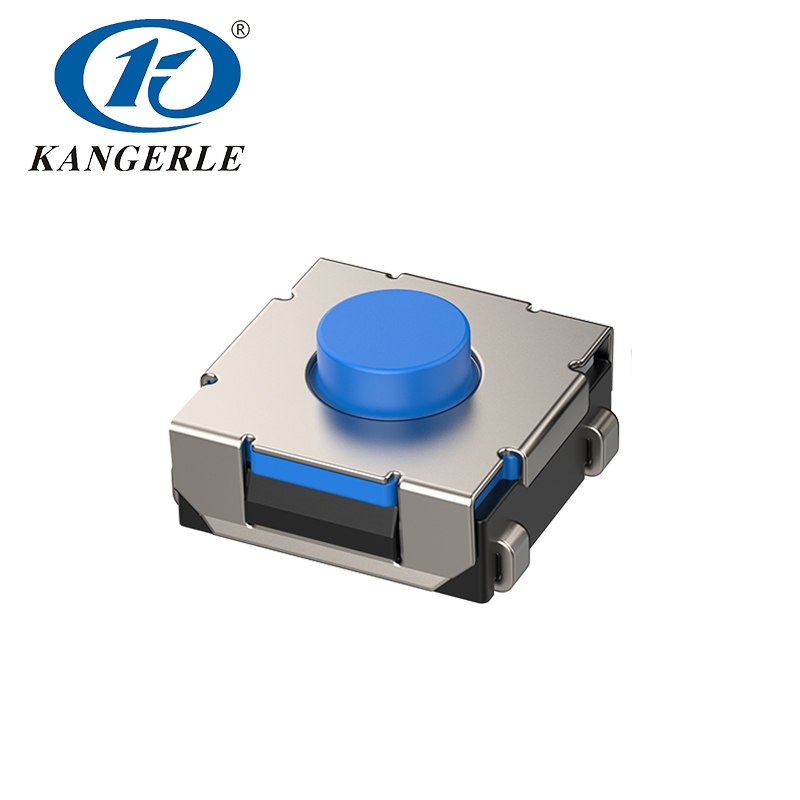
قبل از انتخاب سوئیچ تاکتیکی برای ماژولهای کنترل فرمان، اکثر تیمها باید این موارد را بررسی کنند:
تناسب مکانیکی
ساختار پوشش دکمه، فضای نصب، طرح PCB و عمق کل مونتاژ را تأیید کنید. ماژولهای فرمان محکم هستند و حتی تغییرات کوچک در چیدمان آنها بر حس و صدا تأثیر میگذارد. مراجع طراحی برای کلیدهای فرمان معمولاً به محدودیتهای عمق کل مونتاژ و حرکت کوتاه دکمه توجه میکنند.
احساس فشار هدف
دکمه تنظیم صدا و دکمه کروز کنترل همیشه به حس یکسانی نیاز ندارند. برخی پروژهها لمس سبک میخواهند. برخی دیگر فشار محکمتری میخواهند تا از فعال شدن تصادفی جلوگیری شود. اینجاست که سفارشیسازی مفید واقع میشود.
پایداری الکتریکی در طول زمان
برای سوئیچ دکمهای روی فرمان خودرو، مقاومت تماسی پایین و انتقال سیگنال پایدار اختیاری نیستند. این موارد مستقیماً بر درک کاربر از کیفیت دکمه تأثیر میگذارند. دادههای رسمی KEL-E005 به وضوح به این نکته اشاره دارد.
چرا خریداران به شرکت ژجیانگ کانگرله الکترونیکس توجه میکنند؟
سوئیچ تنها بخشی از تصمیم خرید است. تأمینکننده نیز به همان اندازه اهمیت دارد، زمانی که پروژه مربوط به ماژول کنترل فرمان خودرو باشد.
شرکت الکترونیک ژجیانگ کانگرله با مسئولیت محدود میگوید که در اوایل دهه ۱۹۹۰ در ونژو تأسیس شده و بیش از ۲۰ سال است که در زمینه سوئیچها از جمله سوئیچهای تاکت، میکرو سوئیچها، سوئیچهای راکر، سوئیچهای اسلاید و سوئیچهای دکمهای تخصص دارد. سایت آن همچنین پوشش وسیعی از صنایع خودرو، لوازم خانگی، لوازم الکترونیکی مصرفی و سایر صنایع را نشان میدهد، به علاوه پشتیبانی OEM/ODM برای مواد سفارشی، ابعاد، نیروی عملیاتی، جابجایی و نیازهای فعلی را ارائه میدهد.
این به معنای چندین مزیت کاربردی محصول برای خریداران است:
- سوئیچ Kangerle Tact KEL-E005 میتواند به طور کامل جایگزین عملکرد سوئیچهای برندهای اصلی در کاربردهای دکمه روی فرمان شود.
- زمان تحویل کوتاهتر برای پروژههای تامین منابع
- قیمت پایینتر برای برنامههای حساس به هزینه خودرو
- پشتیبانی از سفارشیسازی برای نیرو، سفر، اندازه و محیطهای خاص
- پرس و جوی مستقیم و کانالهای نمونه در سایت شرکت
این نکات زمانی بیشترین اهمیت را دارند که خریدار فقط در حال انتخاب یک سوئیچ نباشد، بلکه سعی کند پروژه دکمه فرمان را طبق برنامه پیش ببرد.
نتیجهگیری
برای سازندگان خودرو و تأمینکنندگان ماژول که هنوز به کنترلهای فیزیکی روی فرمان متکی هستند، سوئیچ تاکتیکی مناسب روی فرمان خودرو، سوئیچی است که بین حس، پایداری سیگنال، اندازه بستهبندی، انعطافپذیری در تأمین و هزینه تعادل برقرار کند. سوئیچ تاکتیکی کانگرل KEL-E005 این محصول به دلیل اینکه برای استفاده در خودرو ساخته شده، دکمههای روی فرمان را به عنوان یک کاربرد اصلی هدف قرار داده و به خریداران یک مسیر جایگزین واقعبینانه برای سریهای شناختهشده مورد استفاده در ماژولهای کنترل فرمان ارائه میدهد، متمایز است. برای تیمهایی که به یک سوئیچ دکمه روی فرمان قابل اعتماد با زمان تحویل کوتاهتر، هزینه کمتر و پشتیبانی سفارشیسازی نیاز دارند، KEL-E005 یک گزینه عملی است که ارزش ارزیابی جدی را دارد.
سوالات متداول
۱. کاربرد اصلی سوئیچ تاکتیکی فرمان خودرو چیست؟
یک سوئیچ تاکتیکی فرمان خودرو زیر دکمهها برای عملکردهایی مانند کنترل صدا، تغییر آهنگ، پاسخ/پایان تماس، کنترل کروز و فرمان صوتی استفاده میشود. در ماژولهای فرمان، این سوئیچ به راننده پاسخ فیزیکی واضحی میدهد و از عملکرد سریع با کمترین حواسپرتی بصری پشتیبانی میکند.
۲. آیا KEL-E005 برای دکمههای فرمان خودرو مناسب است؟
بله. صفحه رسمی محصول KEL-E005 دکمههای فرمان خودرو را به عنوان یک کاربرد مستقیم فهرست کرده و مشخصات مربوط به خودرو از جمله بار نامی 50 میلیآمپر DC12V، کورس حرکتی 0.5±0.2 میلیمتر، نیروی عملیاتی 350 gf و مقاومت تماسی ≤50 mΩ را ارائه میدهد.
۳. آیا KEL-E005 میتواند جایگزین سری SKTQ یا SKSU در کاربردهای فرمان شود؟
برای جایگزینی کاربردی در ماژولهای دکمه فرمان، بله. KEL-E005 همین سناریوی استفاده را پوشش میدهد و Kangerle همچنین سفارشیسازی ابعاد، نیروی عملیاتی، میزان حرکت و سایر پارامترها را ارائه میدهد که به خریداران کمک میکند تا یک راهحل جایگزین کامل برای پروژههایی که در حال حاضر از محصولات نوع SKTQ یا SKSU استفاده میکنند، بسازند.
۴. چرا خریداران به دنبال یک تامینکننده جایگزین برای سوئیچ لمسی خودرو هستند؟
دلایل رایج، زمان تحویل کوتاهتر، هزینه کمتر و سفارشیسازی انعطافپذیرتر است. کانگرل بهطور خاص بر پشتیبانی سفارشیسازی تأکید میکند و این شرکت از طریق سایت خود، امکان پرسش مستقیم و دسترسی به نمونه را فراهم میکند.
۵. قبل از انتخاب سوئیچ دکمهای روی فرمان، چه مواردی باید بررسی شود؟
مهمترین بررسیها عبارتند از تناسب مکانیکی، حس فشار، عملکرد الکتریکی، هدف دوام و مقاومت در برابر محیط. در یک ماژول کنترل فرمان، حتی یک عدم تطابق کوچک در میزان حرکت یا نیرو میتواند تجربه کاربر را تغییر دهد.