
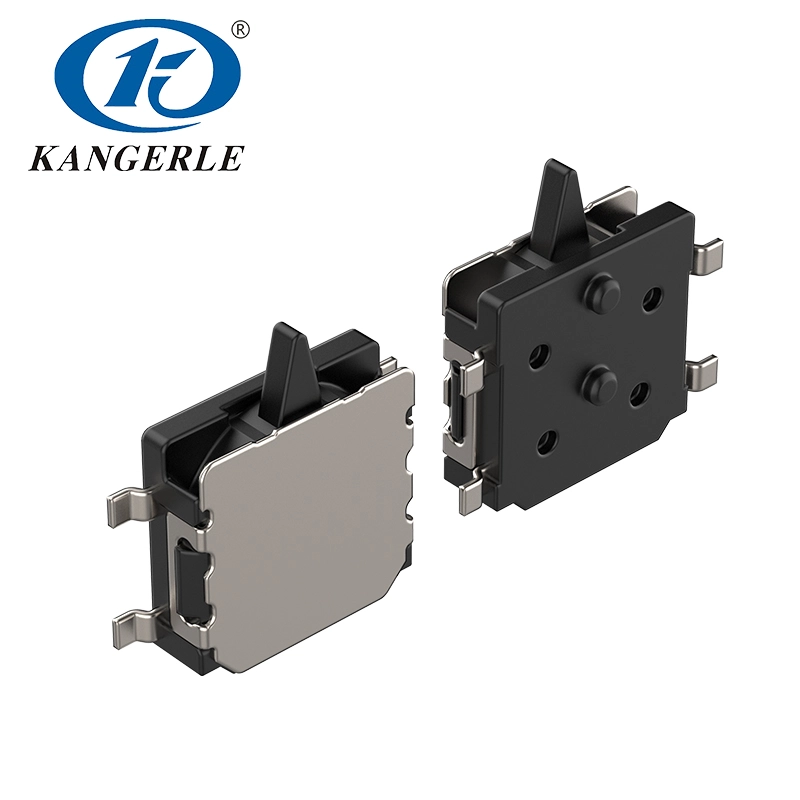
ในโลกปัจจุบัน ความปลอดภัยและระบบอัตโนมัติมีความสำคัญอย่างมากในหลายด้าน โดยเฉพาะอย่างยิ่งในการจัดการกับระบบที่ต้องการการตรวจสอบอย่างรวดเร็วอยู่ตลอดเวลา ส่วนประกอบสำคัญอย่างหนึ่งที่ช่วยในเรื่องนี้คือสวิตช์ตรวจจับ อาจดูเหมือนเป็นอุปกรณ์พิเศษ แต่สวิตช์เหล่านี้มีบทบาทสำคัญในหลายๆ ด้าน พบได้ในเครื่องจักรในโรงงานและในบ้านเรือน ในบทความนี้ เราจะมาดูกันว่าสวิตช์ตรวจจับคืออะไร ใช้ที่ไหน และช่วยในด้านต่างๆ ได้อย่างไร
สวิตช์ตรวจจับคืออะไร?
สวิตช์ตรวจจับ เป็นอุปกรณ์อิเล็กทรอนิกส์ที่เปิดหรือปิดระบบโดยอัตโนมัติ มันจะทำเช่นนั้นเมื่อตรวจพบวัตถุ บุคคลที่อยู่ใกล้เคียง หรือสถานะบางอย่าง หลักการทำงานคือการตรวจจับการเปลี่ยนแปลงทางกายภาพที่ชัดเจน เช่น การเคลื่อนไหว ความร้อน หรือแสง จากนั้นจะเริ่มปฏิกิริยาในอุปกรณ์หรือระบบที่เชื่อมต่ออยู่
ผู้คนมักพบเห็นสวิตช์เหล่านี้ในระบบรักษาความปลอดภัย ระบบควบคุมภายในบ้าน งานในโรงงาน และสถานที่อื่นๆ คุณสมบัติหลักของสวิตช์ตรวจจับคือมันทำงานได้เองโดยไม่ต้องอาศัยการควบคุมจากมือ ทำให้มันเป็นชิ้นส่วนสำคัญในระบบที่ต้องการการตรวจสอบที่รวดเร็วและระบบควบคุมแบบอัตโนมัติ
สวิตช์ตรวจจับทำงานอย่างไร?
สวิตช์ตรวจจับมักใช้เซ็นเซอร์ เช่น เซ็นเซอร์อินฟราเรด เซ็นเซอร์ตรวจจับความเคลื่อนไหว หรือเซ็นเซอร์แสง เซ็นเซอร์เหล่านี้ช่วยตรวจจับการเปลี่ยนแปลงรอบตัว เมื่อเซ็นเซอร์ตรวจพบการเปลี่ยนแปลง เช่น การเคลื่อนไหว มีคนอยู่ หรือการเปลี่ยนแปลงของอุณหภูมิ มันจะส่งสัญญาณไปยังสวิตช์ ซึ่งจะทำให้เกิดการตอบกลับ ขึ้นอยู่กับการตั้งค่า การตอบกลับนี้อาจหมายถึงการเปิดหรือปิดไฟ หรืออาจส่งสัญญาณเตือน หรืออาจเริ่มต้นระบบที่ใหญ่กว่าสำหรับการใช้งานในโรงงานก็ได้
สวิตช์ตรวจจับมีหลายประเภท แต่ละประเภทเหมาะสำหรับงานที่แตกต่างกัน:
- สวิตช์ตรวจจับความเคลื่อนไหว: อุปกรณ์เหล่านี้จะตรวจจับการเคลื่อนไหวในจุดที่กำหนดไว้ ผู้คนนิยมใช้สวิตช์ประเภทนี้ในระบบรักษาความปลอดภัยหรือระบบควบคุมแสง
- สวิตช์เซ็นเซอร์วัดแสง: อุปกรณ์เหล่านี้จะตรวจสอบความสว่างของแสง และจะเปิดหรือปิดไฟตามระดับแสงโดยรอบ
- สวิตช์เซ็นเซอร์อุณหภูมิ: ออกแบบมาเพื่อตรวจจับการเปลี่ยนแปลงของอุณหภูมิ สามารถใช้ในการควบคุมระบบปรับอากาศหรือขั้นตอนด้านความปลอดภัยได้
- สวิตช์ตรวจจับระยะใกล้: ใช้สำหรับตรวจจับว่ามีวัตถุอยู่ ณ จุดใดจุดหนึ่งหรือไม่ โดยส่วนใหญ่มักช่วยให้สิ่งของหรือหุ่นยนต์ทำงานได้
สวิตช์ตรวจจับใช้ที่ไหนบ้าง?
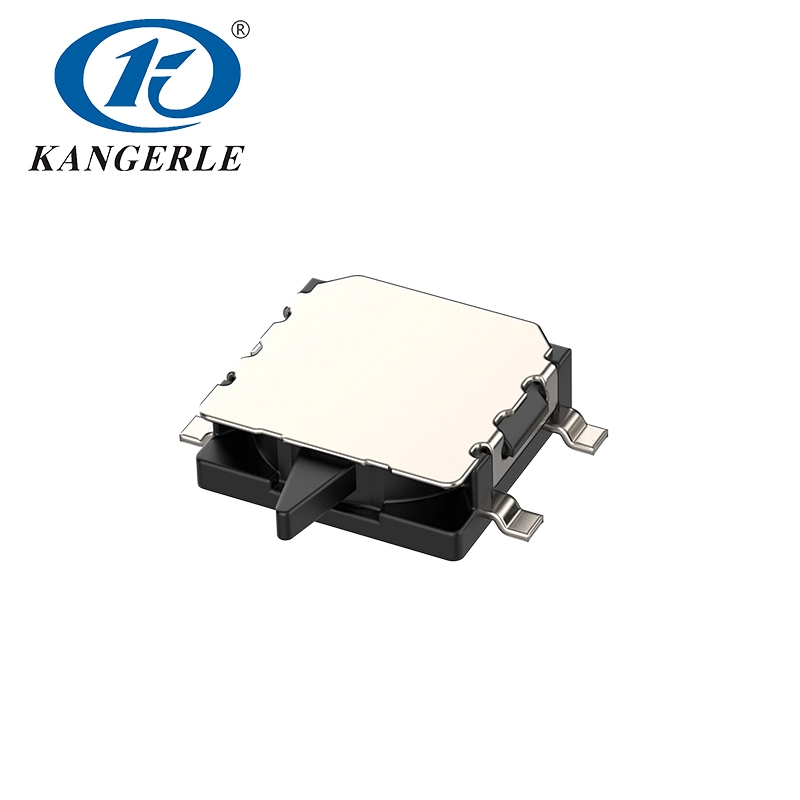
สวิตช์ตรวจจับพบได้ในหลายจุดในหลากหลายสาขา นี่คือตัวอย่างสถานที่ทั่วไปที่สวิตช์เหล่านี้มีบทบาทสำคัญ:
1. ระบบบ้านอัจฉริยะและระบบรักษาความปลอดภัย
สวิตช์ตรวจจับการเคลื่อนไหวเป็นส่วนสำคัญของบ้านอัจฉริยะ ในบ้านเหล่านี้ สวิตช์เหล่านี้ทำหน้าที่ตรวจจับการเคลื่อนไหว ควบคุมแสงไฟอัตโนมัติ และระบบความปลอดภัย ตัวอย่างเช่น สวิตช์ตรวจจับการเคลื่อนไหวสามารถเปิดไฟได้เองเมื่อตรวจพบการเคลื่อนไหวในห้อง ซึ่งช่วยประหยัดพลังงานและเพิ่มความสะดวกสบาย ในทำนองเดียวกัน ในระบบความปลอดภัย สวิตช์เหล่านี้จะตรวจจับการบุกรุกและส่งสัญญาณเตือน
2. ระบบอุตสาหกรรมและการผลิต
ในโรงงาน อุปกรณ์ตรวจจับมีความสำคัญอย่างมากต่อการทำงานของเครื่องจักรให้เป็นไปอย่างราบรื่น อุปกรณ์เหล่านี้จะคอยตรวจสอบสายการผลิต ตรวจจับปัญหาของเครื่องจักร และป้องกันการชน โดยจะทำให้แน่ใจว่าเครื่องจักรจะทำงานก็ต่อเมื่อปลอดภัยเท่านั้น สวิตช์เซ็นเซอร์ตรวจจับระยะใกล้ มักพบได้ในจุดเหล่านี้ อุปกรณ์เหล่านี้จะตรวจจับชิ้นส่วนหรือสิ่งของ และเริ่มการทำงานอัตโนมัติของเครื่องจักร
3. การใช้งานเชิงพาณิชย์
ในอาคารธุรกิจ มักมีการใช้สวิตช์เซ็นเซอร์วัดแสงเพื่อปรับระดับแสงตามแสงภายนอก ซึ่งช่วยได้มากในสำนักงานหรือร้านค้าที่ต้องการปรับแสงให้เข้ากับแสงแดด ช่วยประหยัดพลังงานและทำให้ผู้คนรู้สึกดีขึ้น
4. การขนส่งและการควบคุมการจราจร
ในด้านการขนส่ง สวิตช์ตรวจจับช่วยในการจัดการจราจรเพื่อตรวจจับรถยนต์ที่ทางแยก สวิตช์เหล่านี้ช่วยให้การจราจรดีขึ้นโดยการเปิดสัญญาณไฟเมื่อจำเป็น ทำให้รถยนต์เคลื่อนที่ได้อย่างราบรื่น นอกจากนี้ยังใช้งานในระบบต่างๆ เช่น ประตูอัตโนมัติที่สถานีรถไฟและสนามบิน โดยจะตรวจจับผู้คนที่กำลังเข้ามาและเปิดประตูเองโดยอัตโนมัติ
สวิตช์ตรวจจับนั้นถูกนำไปใช้ในงานประจำวันมากมาย มาดูกันว่าทำไมมันถึงมีประโยชน์ต่อการใช้งานเหล่านี้
ข้อดีของสวิตช์ตรวจจับ
สวิตช์ตรวจจับมีข้อดีมากมายในการใช้งานที่หลากหลาย ต่อไปนี้คือข้อดีหลักๆ บางประการของการเพิ่มสวิตช์ตรวจจับเข้าไปในระบบ:
1. ระบบอัตโนมัติและประสิทธิภาพ
สวิตช์ตรวจจับช่วยให้การตั้งค่าทำงานได้โดยไม่ต้องใช้แรงงานคน ซึ่งช่วยเพิ่มความเร็ว โดยเฉพาะในจุดที่ต้องการการตอบสนองที่รวดเร็ว ตัวอย่างเช่น ในโรงงาน สวิตช์ตรวจจับระยะใกล้ช่วยให้มั่นใจได้ว่าเครื่องจักรจะทำงานเฉพาะเมื่อมีสิ่งของอยู่เท่านั้น ซึ่งจะช่วยลดการหยุดทำงานและเพิ่มผลผลิต
2. ประหยัดพลังงาน
ด้วยระบบไฟส่องสว่าง เครื่องทำความร้อน และเครื่องทำความเย็นแบบอัตโนมัติ สวิตช์ตรวจจับจึงช่วยประหยัดพลังงานได้มาก ตัวอย่างเช่น สวิตช์เซ็นเซอร์แสงจะปิดไฟเมื่อมีแสงแดดเพียงพอหรือเมื่อไม่มีใครอยู่ในห้อง ซึ่งช่วยลดการใช้พลังงานส่วนเกิน
3. ความปลอดภัยที่เพิ่มขึ้น
ในระบบความปลอดภัย สวิตช์ตรวจจับจะช่วยเพิ่มการป้องกันได้ดียิ่งขึ้นโดยการตรวจจับการป้อนข้อมูลที่ไม่ถูกต้องและเริ่มการแจ้งเตือน ในโรงงาน สวิตช์เหล่านี้สามารถตรวจสอบสถานะที่เป็นอันตรายและทำให้มั่นใจว่าเครื่องจักรทำงานได้อย่างปลอดภัย ตัวอย่างเช่น สวิตช์เซ็นเซอร์อุณหภูมิจะตรวจจับความร้อนที่สูงเกินไป และเริ่มขั้นตอนความปลอดภัยเพื่อป้องกันความเสียหายของเครื่องจักรหรือความเสี่ยงจากไฟไหม้
4. ประหยัดต้นทุน
เมื่อเวลาผ่านไป การใช้สวิตช์ตรวจจับสามารถช่วยประหยัดเงินให้กับบ้านและธุรกิจได้ การทำงานอัตโนมัติช่วยลดงานที่ต้องทำด้วยมือ ทำให้ต้นทุนแรงงานลดลง นอกจากนี้ การประหยัดพลังงานจากระบบอัจฉริยะยังช่วยลดค่าไฟฟ้าได้อย่างมาก
5. การปรับแต่งและความยืดหยุ่น
สวิตช์ตรวจจับสามารถปรับเปลี่ยนได้มากและเหมาะสมกับการใช้งานหลายรูปแบบ ขึ้นอยู่กับความต้องการของผู้ใช้ หากคุณต้องการเซ็นเซอร์ตรวจจับความเคลื่อนไหวสำหรับไฟส่องสว่างในบ้าน หรือเซ็นเซอร์ตรวจจับระยะใกล้สำหรับบันไดในโรงงาน สวิตช์ตรวจจับก็สามารถปรับเปลี่ยนให้เหมาะสมกับงานต่างๆ ได้มากมาย
ประโยชน์เหล่านี้แสดงให้เห็นว่าสวิตช์ตรวจจับช่วยให้สิ่งต่างๆ ดีขึ้น แต่การเลือกสวิตช์ที่เหมาะสมนั้นต้องพิจารณาอย่างรอบคอบ
การเลือกสวิตช์ตรวจจับที่เหมาะสมกับความต้องการของคุณ
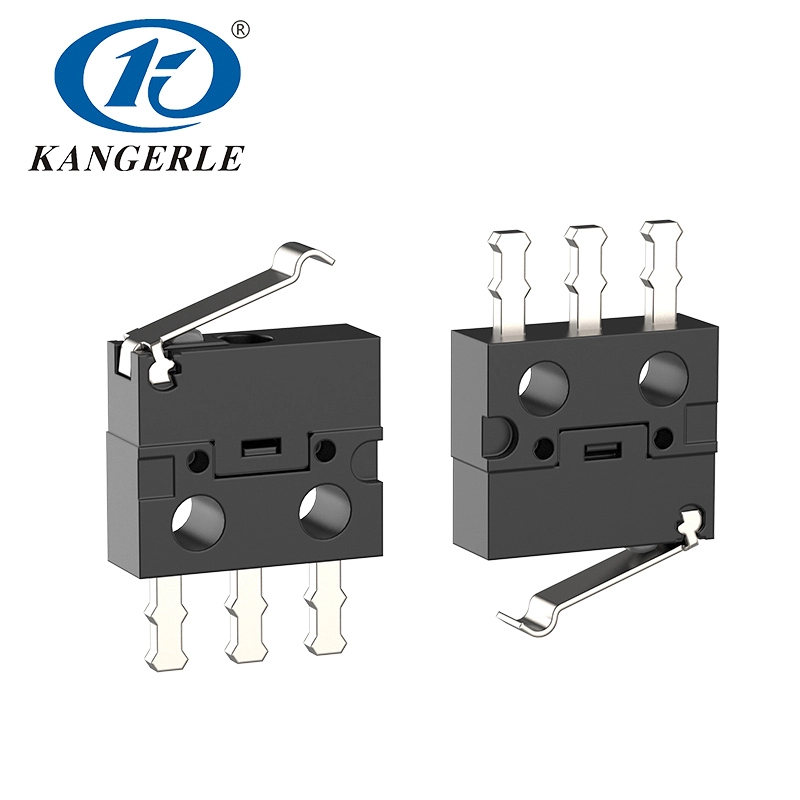
เมื่อไร การเลือกสวิตช์ตรวจจับลองพิจารณาการใช้งานที่แท้จริงและสิ่งที่คุณต้องการดู ต่อไปนี้เป็นคำแนะนำบางส่วนที่จะช่วยคุณเลือกสวิตช์ตรวจจับที่ดีที่สุด:
1. ทำความเข้าใจสิ่งแวดล้อม
ลองนึกถึงตำแหน่งที่จะติดตั้งสวิตช์ดู อยู่ภายในหรือภายนอกอาคาร? จะต้องเผชิญกับความร้อนสูง ความชื้น หรือฝุ่นละอองหรือไม่? การเลือกสวิตช์ตรวจจับที่ออกแบบมาสำหรับตำแหน่งนั้นจะช่วยให้มั่นใจได้ว่ามันทำงานได้ดีและใช้งานได้ยาวนาน
2. เลือกประเภทเซ็นเซอร์ที่เหมาะสม
เซ็นเซอร์มีหลายประเภท เช่น เซ็นเซอร์อินฟราเรด เซ็นเซอร์เสียง และเซ็นเซอร์สัมผัส ประเภทเซ็นเซอร์ที่เหมาะสมอาจแตกต่างกันไปขึ้นอยู่กับลักษณะงาน ตัวอย่างเช่น เซ็นเซอร์อินฟราเรดเหมาะสำหรับการตรวจจับการเคลื่อนไหว ในขณะที่เซ็นเซอร์เสียงเหมาะสำหรับงานที่ต้องการตรวจสอบพื้นที่อย่างแม่นยำ
3. พิจารณาเวลาตอบสนอง
ความเร็วในการตอบสนองของสวิตช์ตรวจจับมีความสำคัญในงานที่ต้องการการเคลื่อนไหวอย่างรวดเร็ว ตรวจสอบให้แน่ใจว่าสวิตช์ที่คุณเลือกสามารถตอบสนองได้อย่างรวดเร็วเพื่อตรวจจับสถานะหรือสิ่งใดสิ่งหนึ่ง
4. ตรวจสอบความเข้ากันได้กับระบบอื่นๆ
หากคุณเพิ่มสวิตช์ตรวจจับเข้าไปในระบบที่มีอยู่แล้ว โปรดตรวจสอบว่ามันเข้ากันได้หรือไม่ สวิตช์ควรทำงานได้อย่างราบรื่นกับระบบไฟ ระบบความปลอดภัย หรือระบบควบคุมจากโรงงานของคุณ
การเลือกสวิตช์ที่เหมาะสมสามารถสร้างความแตกต่างอย่างมากได้ นั่นเป็นเหตุผลที่การทำงานร่วมกับผู้ผลิตที่ดีจึงเป็นสิ่งสำคัญ
บริษัท เจ้อเจียง คังเกอร์เล่ อิเล็กทรอนิกส์ จำกัด: ผู้จำหน่ายสวิตช์ตรวจจับที่คุณไว้วางใจ
บริษัท Zhejiang Kangerle Electronics จำกัด เป็นผู้นำในการผลิตและจำหน่ายสวิตช์ตรวจจับคุณภาพสูง ด้วยประสบการณ์หลายปีในการวางแผนและพัฒนาชิ้นส่วนอิเล็กทรอนิกส์ใหม่ๆ Kangerle Electronics จึงนำเสนอสวิตช์ตรวจจับหลากหลายรุ่นที่ตอบสนองความต้องการในหลากหลายสาขา
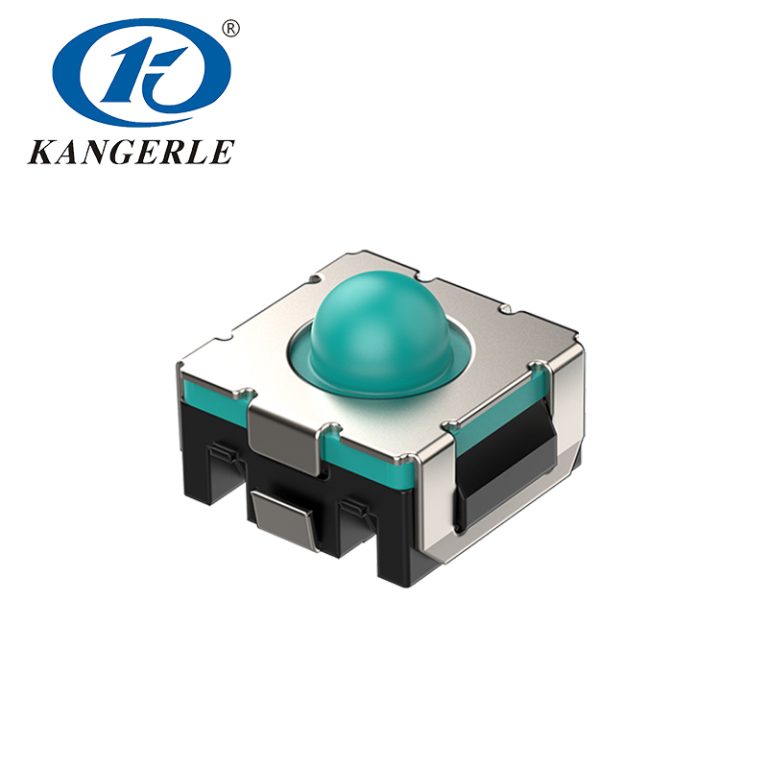
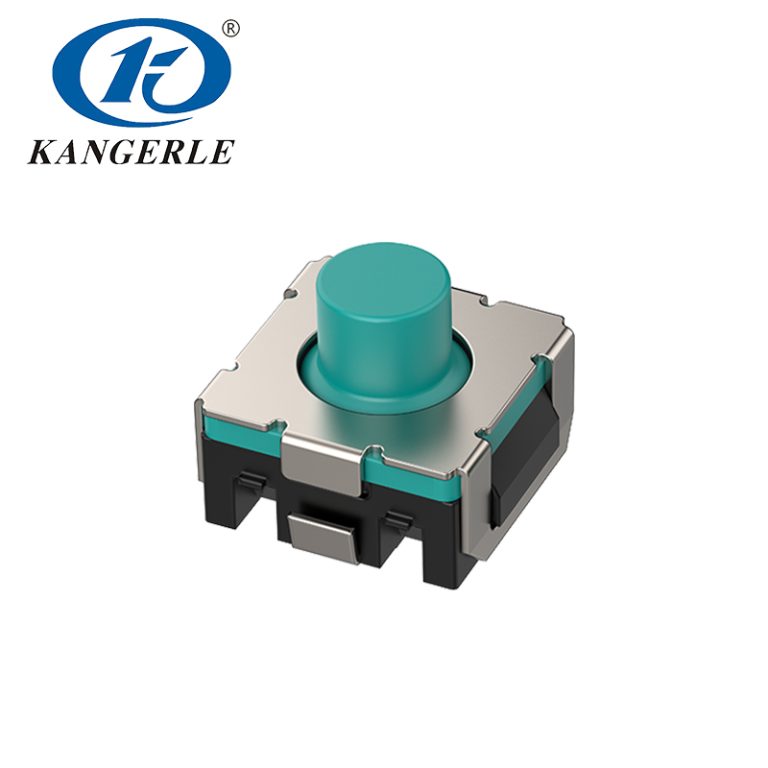
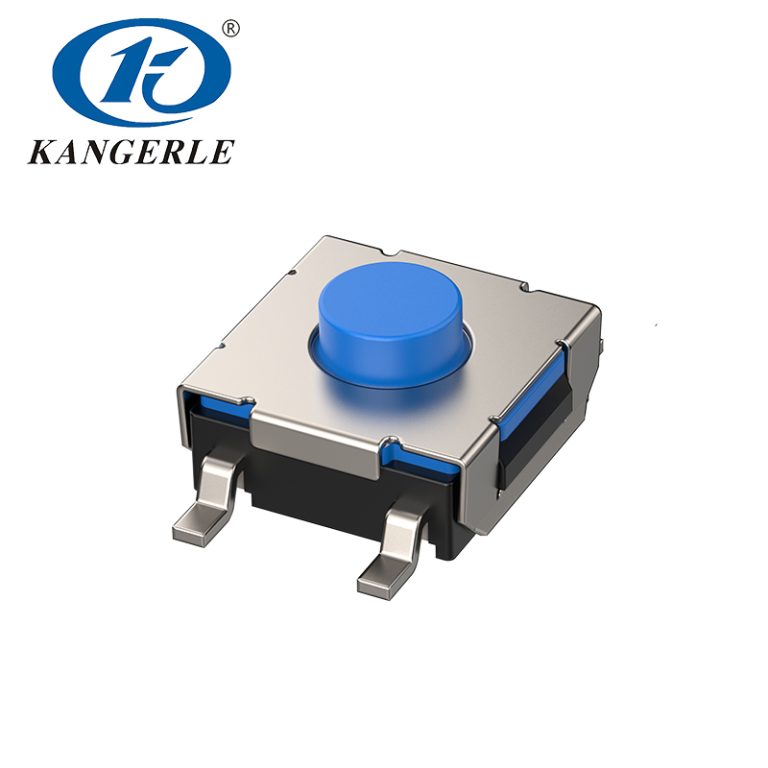
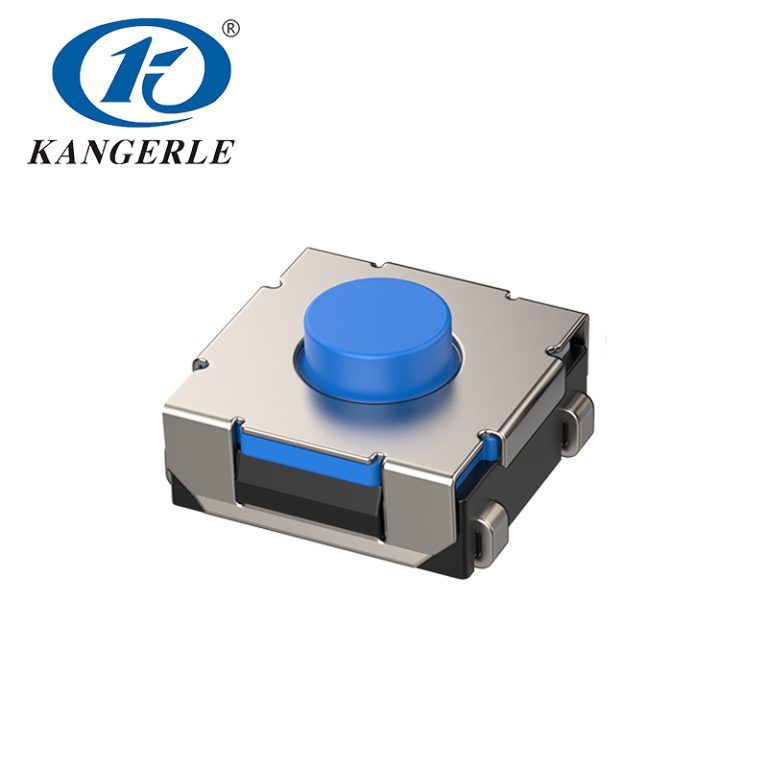
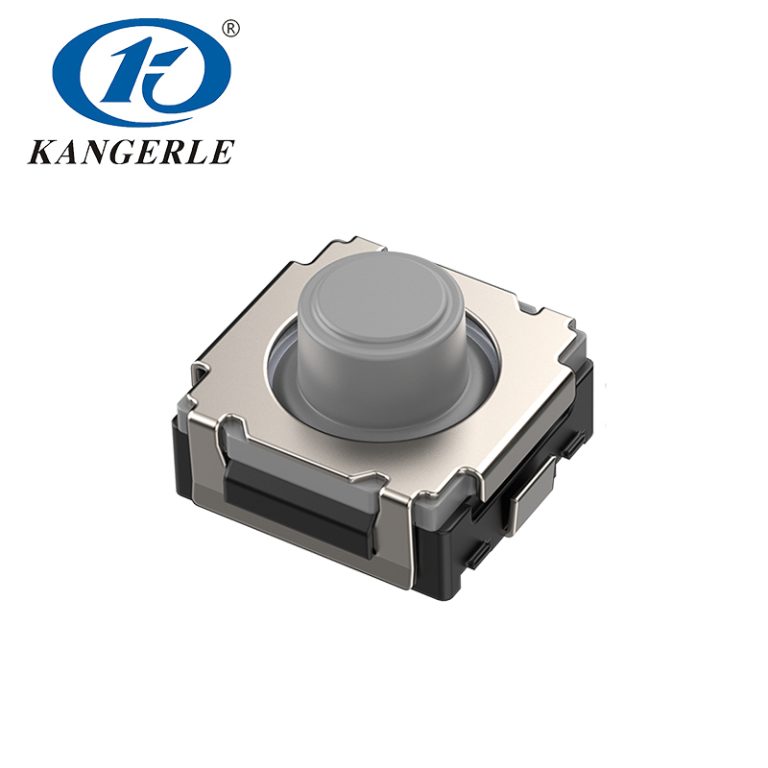
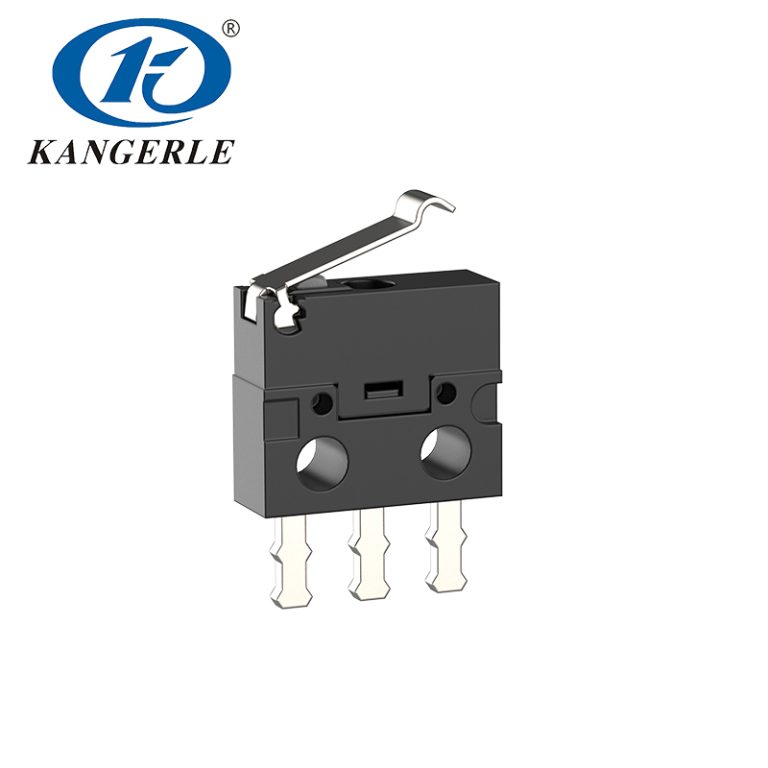
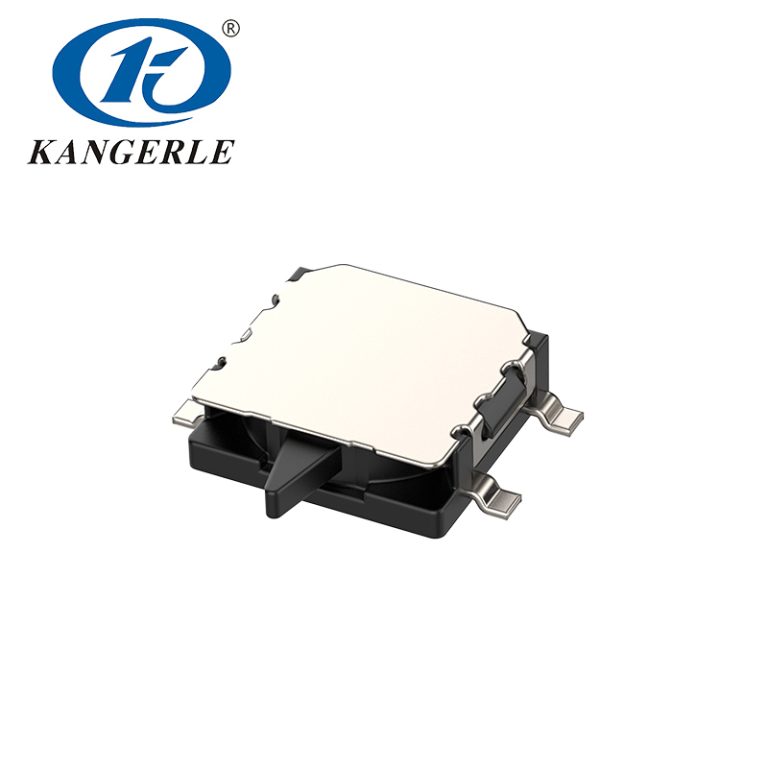
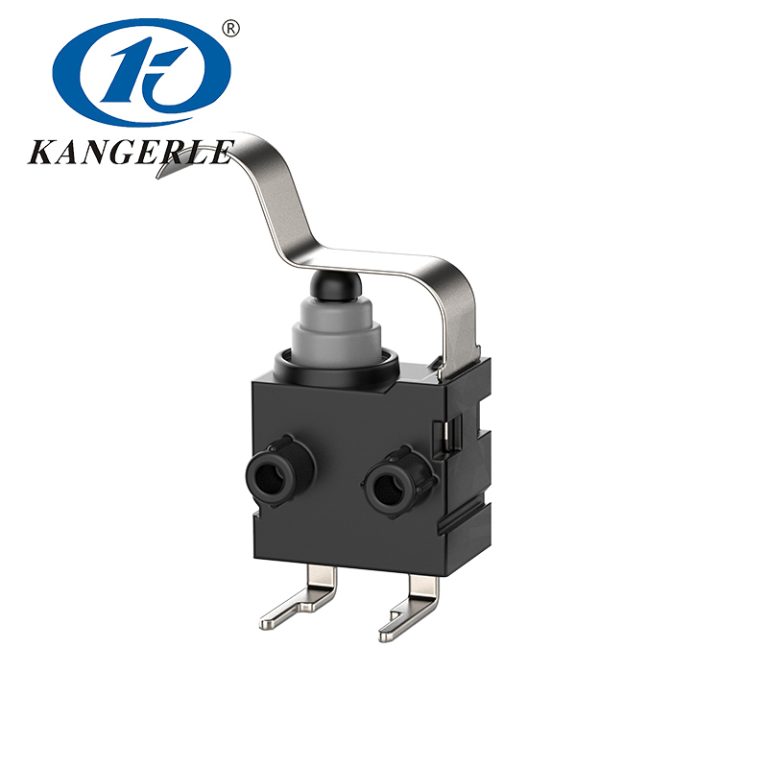
สิ่งของของคังเกอร์เล่ เช่น เคเอฟซี-ดับเบิลยู-15 และ สวิตช์ตรวจจับ KFC-W-22โดดเด่นในเรื่องความเสถียร ความแม่นยำ และความง่ายในการใช้งานร่วมกับระบบอื่นๆ หากคุณกำลังมองหาสวิตช์ตรวจจับการเคลื่อนไหวสำหรับระบบความปลอดภัย หรือเซ็นเซอร์วัดอุณหภูมิสำหรับงานในโรงงาน Kangerle มีคำตอบที่เหมาะสมสำหรับคุณ
สำหรับข้อมูลเพิ่มเติมเกี่ยวกับ Kangerle Electronics และผลิตภัณฑ์ของบริษัท โปรดดูที่นี่ เยี่ยมชมเว็บไซต์ของเรา.
บทสรุป
สวิตช์ตรวจจับเป็นส่วนประกอบสำคัญในระบบอัตโนมัติในปัจจุบัน ช่วยเพิ่มความปลอดภัย ความเร็ว และความสะดวกสบาย คุณอาจติดตั้งสวิตช์เหล่านี้ในระบบรักษาความปลอดภัยภายในบ้าน เครื่องจักรในโรงงาน หรือระบบควบคุมการจราจร สวิตช์เหล่านี้มีข้อดีมากมาย ด้วยความสามารถในการตรวจจับการเปลี่ยนแปลงในสภาพแวดล้อมและเริ่มการเคลื่อนไหวอย่างรวดเร็ว สวิตช์ตรวจจับจึงช่วยให้ขั้นตอนต่างๆ ง่ายขึ้นและเพิ่มประสิทธิภาพการทำงานในหลายๆ ด้าน
การศึกษาประเภทของสวิตช์ตรวจจับและข้อดีของแต่ละประเภท จะช่วยให้คุณเลือกอุปกรณ์ที่เหมาะสมที่สุดสำหรับความต้องการของคุณได้ การร่วมมือกับผู้ขายที่น่าเชื่อถือ เช่น Zhejiang Kangerle Electronics Co., Ltd. จะช่วยให้มั่นใจได้ว่าคุณจะได้รับสินค้าคุณภาพสูงที่ตรงกับความต้องการในการทำงานของคุณ
คำถามที่พบบ่อย
คำถามที่ 1: สวิตช์ตรวจจับความเคลื่อนไหวกับสวิตช์เซ็นเซอร์แสงแตกต่างกันอย่างไร?
สวิตช์ตรวจจับความเคลื่อนไหวจะเริ่มทำงานเมื่อตรวจพบการเคลื่อนไหว แต่สวิตช์เซ็นเซอร์แสงจะทำงานตามความเข้มของแสงโดยรอบ
Q2: สามารถใช้สวิตช์ตรวจจับในสภาพแวดล้อมกลางแจ้งได้หรือไม่?
ใช่ สวิตช์ตรวจจับหลายแบบสามารถใช้งานภายนอกอาคารได้ เพียงแค่เลือกแบบที่มีฝาครอบป้องกันสภาพอากาศที่ดีและมีความแข็งแรงเหมาะสมกับสถานที่ติดตั้ง
คำถามที่ 3: สวิตช์ตรวจจับประหยัดพลังงานหรือไม่?
ใช่แล้ว สวิตช์ตรวจจับช่วยประหยัดพลังงานโดยการควบคุมไฟและอุปกรณ์อื่นๆ ให้ทำงานเองโดยอัตโนมัติตามสภาพแวดล้อม ทำให้มั่นใจได้ว่าไฟจะจ่ายเฉพาะเมื่อจำเป็นเท่านั้น
คำถามที่ 4: สามารถใช้สวิตช์ตรวจจับในสภาพแวดล้อมทางอุตสาหกรรมได้หรือไม่?
ใช่แล้ว โรงงานต่างๆ ใช้สวิตช์ตรวจจับจำนวนมากเพื่อตรวจสอบเครื่องจักร ควบคุมสายการผลิต และรักษาความปลอดภัยของคนงาน