

Waterproof Tactile Switches A Bulk Buying Guide
Purchase of waterproof tactile switches in bulk generally tends to disappoint buyers when the family description from the catalog is used rather than what has been approved by engineering. All parameters including force, stroke, seal rating, contact area, soldering and cycle life should all be the same as the one of the actual board, cap and housing. This guide highlights the steps involved in converting catalog claims into numerical specifications, preparing an RFQ, verifying IP rating for actual conditions and maintaining consistency between drawings, test reports and change control documentation.
Start With the Finished Button
Button-stack check, top to bottom: cap, membrane, gasket, guide, stem, board, stop. Which surface leads the motion? Put a 160 gf switch below a 20 mm cap and an edge press may feel much heavier. Cap tilt and guide friction explain the change.
Try both tolerance limits. Tight build: any preload? Loose build: rattle, short travel, or missed contact? Work around the center and every edge. After the water and temperature trials, repeat slowly and look for a lazy return.
Write the Electrical Requirement Before Comparing Prices
Copy the circuit into five RFQ boxes: AC/DC, open voltage, normal current, inrush, signal/load. A motor and a controller input do very different work at the contact. One catalog voltage cannot describe both jobs.
Bench check: production board, production firmware, quick taps, slow presses, and several off-center presses. Count missed inputs and duplicate edges. No minimum load in the data? Mark it as a qualification item. Sound from the dome is not proof of a clean electrical signal.
Convert Catalog Terms Into Measurable Limits
Replace catalog shorthand with a checkable item. Value and tolerance? Controlled print? Report number? Approved sample? The tables provide a place to record the reply beside each request.
|
Catalog Term |
Purchasing Question |
Evidence to Keep |
|---|---|---|
|
Водонепроницаемый |
Which IP test, wiring, mounting, and exposure? |
Model-specific report and sample setup |
|
Standard force |
What nominal force and tolerance apply? |
Drawing or force specification |
|
Long life |
Electrical or mechanical cycles, at what load? |
Test conditions and failure criteria |
|
12 × 12 mm |
Which footprint, stem center, and height? |
Released dimensional drawing |
|
Tape and reel |
Which pocket direction, count, and label? |
Packaging drawing and sample reel |
Check Footprint, Height, and Travel Together
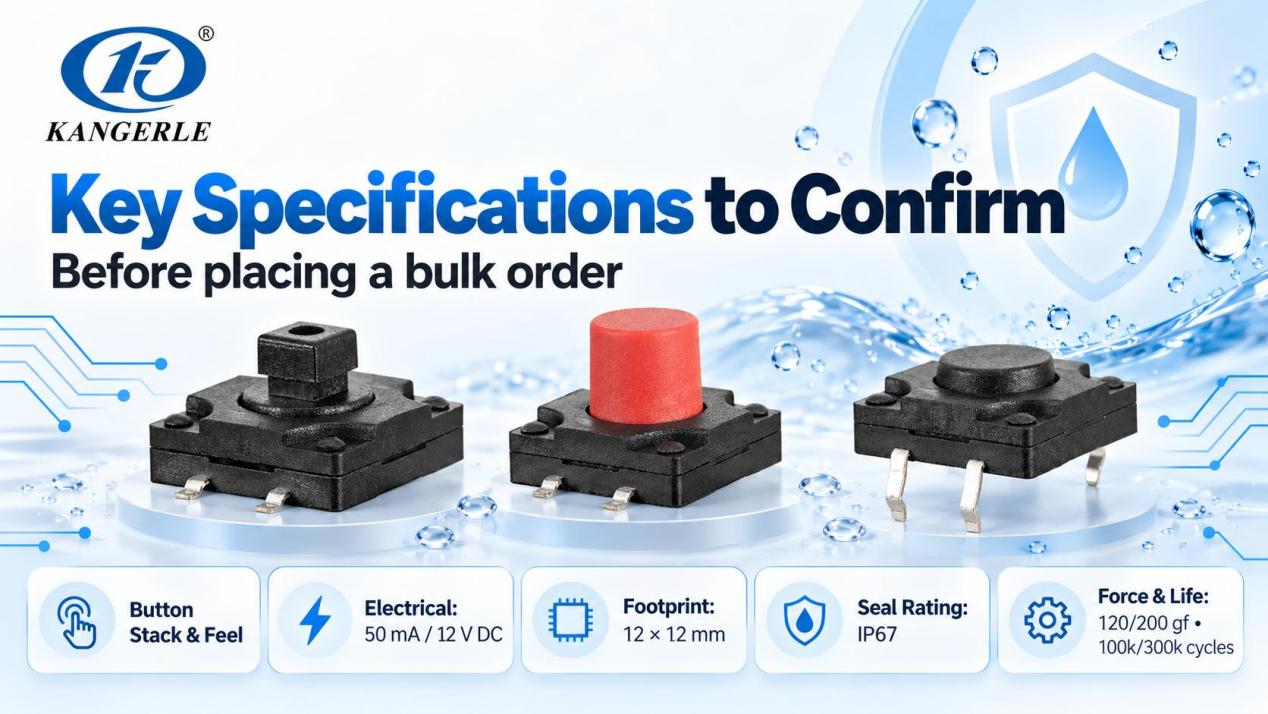
Key Specifications to Confirm Before placing a bulk order
Do not approve from the body outline. Lay the offered print over the released PCB. Compare terminal centers, pads or holes, stem center, stand-offs, and fitted height. Put that print revision on the order; plastic may fit while changed terminals create a solder problem.
Add a section through the cap. Does it pass the operating point at the loose limit? Does a plastic stop catch extra movement at the tight limit? For a large key, try a worn guide and a corner press. Side load often finds sticking that a vertical gauge misses.
Choose SMD or Through-Hole for the Assembly Line
Line question: which version can the factory place without manual work? For SMD, record pads, paste, reel direction, and reflow. For through-hole, record drill size, solder access, pin protection, and clearance. Any swap goes back to engineering.
Now follow the pack. For a reel, record count, pocket direction, carrier width, leader, and label. For a tray or bag, look at stem and pin protection. Imagine no special case: a reversed reel simply reaches the line. How many hours of hand sorting would 50,000 pieces create?
Treat IP Ratings as Test Conditions
IP file check: get a sketch of the chamber setup. Loose part or board? Leads fitted? Extra seal or mounting load? Cite IEC 60529 and tie the report to the offered construction.
Put one real event on the requirement line: rain, timed immersion, cold-start moisture, detergent, or pressure wash. They are separate jobs. The component report says nothing about a leaking panel cut, cable entry, enclosure joint, or badly compressed gasket.
Specify Operating Force Without Guesswork
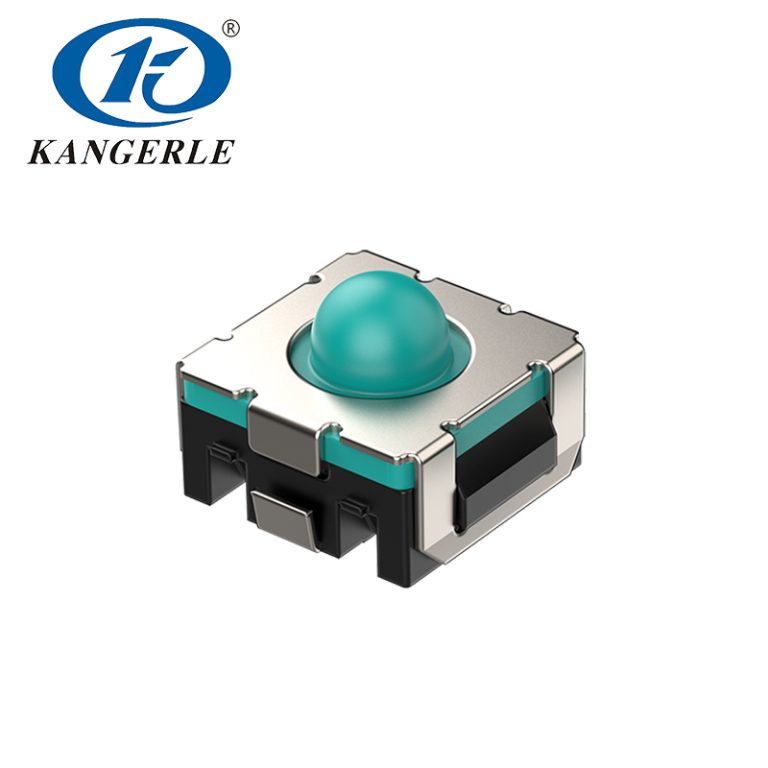
Force note: name the switch value and tolerance, then measure the complete key. Check center and edges. A membrane adds resistance, a broad cap tilts, and a close guide slows release. Acceptance needs press force, electrical action, and free return. The 12 × 12 mm waterproof tactile switch offers 120 ± 30 gf and 200 ± 30 gf choices.
Keep a signed sample for a quick comparison. For a rejection decision, use a fixture, speed, contact point, and numerical band. That record answers a later dispute. Two people saying stiff and normal does not.
Separate Electrical Life From Mechanical Life
Cycle figure? Ask what moved, what carried current, and what ended the test. Mechanical life covers motion under stated travel. Electrical life covers switching under stated load. A large unloaded result cannot stand in for a powered test. KANGERLE’s 12 × 12 mm waterproof tactile switch series list at least 100,000 electrical and 300,000 mechanical operations, which still need to be read separately.
Field-use check: 80 presses a day for five years is about 146,000 operations before peaks. A monthly setup key is a different job. Read temperature at the PCB hot spot, not only at the room sensor.
Control Soldering, Cleaning, and Rework
Factory sheet: solder peak, time over the limit, cooling, permitted heat cycles, and rework method. Will the board see a second heating event? Does it match the trial profile? Tie the answer to the exact terminal construction.
Cleaning note: name the chemical and method. Sealed appearance does not promise unlimited board washing. Residue near a stem may slow return. Run several production-intent boards through the actual solder, wash, inspection, and function route. One bench-soldered sample skips most of that evidence.
Build a Practical Incoming Inspection Plan
Incoming checks should catch line stops and customer failures. Start with pack direction, key dimensions, force, continuity, bent pins, broken stems, and visible seal damage. Put immersion and endurance on other samples. Tested pieces should not quietly go back into usable stock.
A first-lot card may be this short:
• Package label, lot code, quantity, and orientation check.
• Critical footprint, stem height, and terminal dimensions.
• Operating force and electrical continuity on a defined sample.
• Bent pin, cracked housing, damaged stem, or visible seal fault.
• Planned ingress or endurance check at the interval written in the control plan.
Put Change Control in Writing
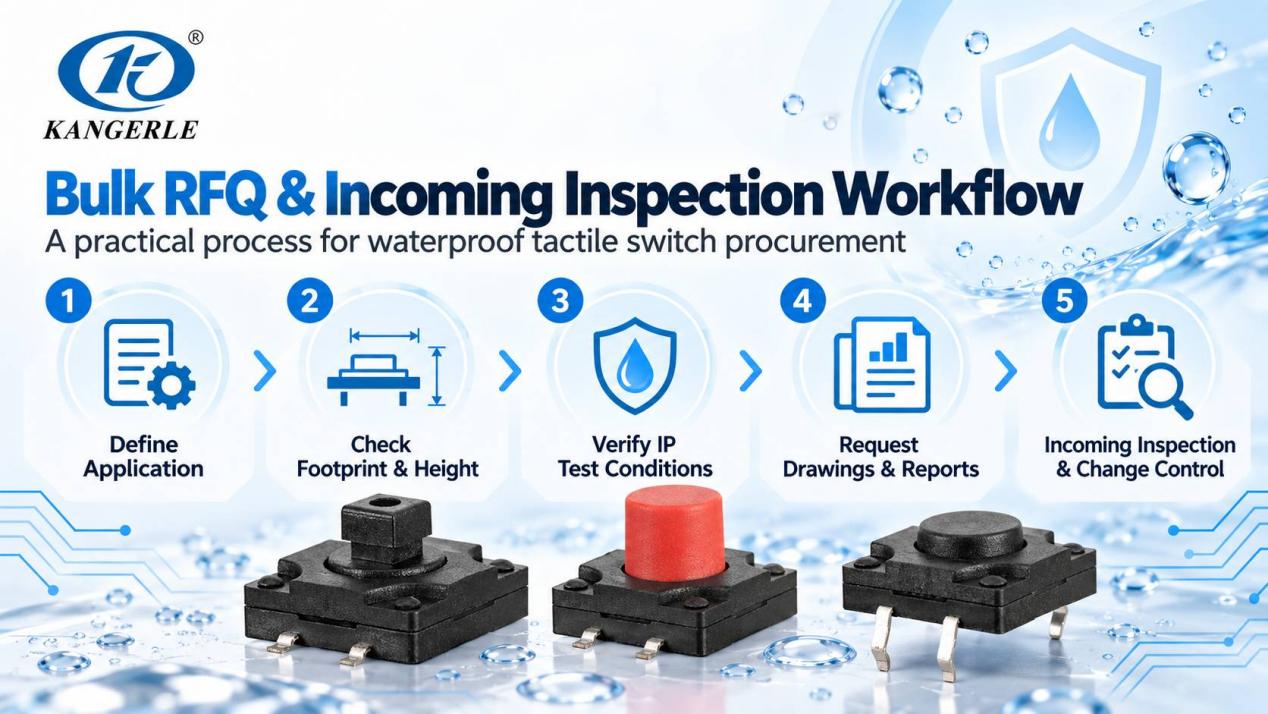
Bulk RFQ & Incoming Inspection Workflow
Treat the approved lot as a baseline. New material, die, contact, seal, site, or process should trigger a notice. The response may be a paper review or a new sample trial. Decide before the changed shipment leaves the factory.
Store the identifier, drawing revision, sample record, and test evidence together. Keep price and delivery terms in the commercial file. Years later, the technical file must still answer one plain question: what construction may arrive under this buying code?
Send an RFQ That a Supplier Can Answer
Build the RFQ as a working sheet, not an essay. Page one: firm electrical and mechanical limits. Attachments: PCB, cap section, and test method. Preferences get their own column. The supplier can propose a height or pack while the real limits stay clear.
|
RFQ Block |
Information to Include |
|---|---|
|
Приложение |
Product type, user interaction, expected annual cycles |
|
Схема |
AC/DC, voltage, current, inrush, signal or direct load |
|
Mechanical |
Footprint, mounting, height, force, travel, hard stop |
|
Среда |
Water, dust, cleaners, temperature, test method |
|
Supply |
Annual volume, packaging, inspection, records, change notice |
Why Supplier Documentation Matters
Three documents, three jobs. The quote names the build. The drawing fixes size. The report records sample and conditions. Check that all three point to the purchased item. Market paperwork cannot answer a water-test or life-test question.
Use parts intended for the real line, board, and housing; record their lot and print. Missed requirement? Write the size, force, cycle, heat, or water gap. A supplier can price custom work against that number rather than a vague request for something better.
Product Example: 12 × 12 mm Waterproof Tactile Switch
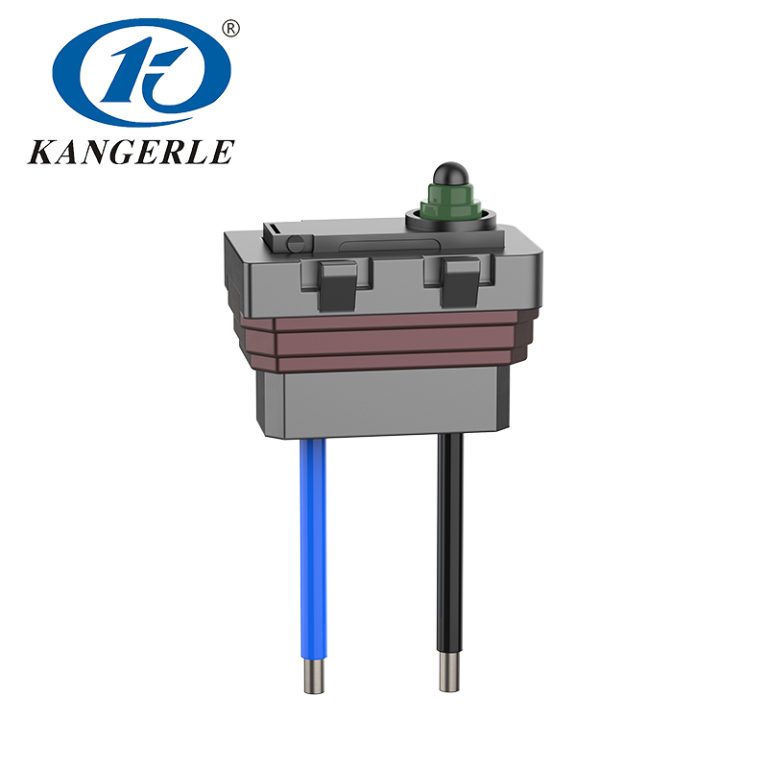
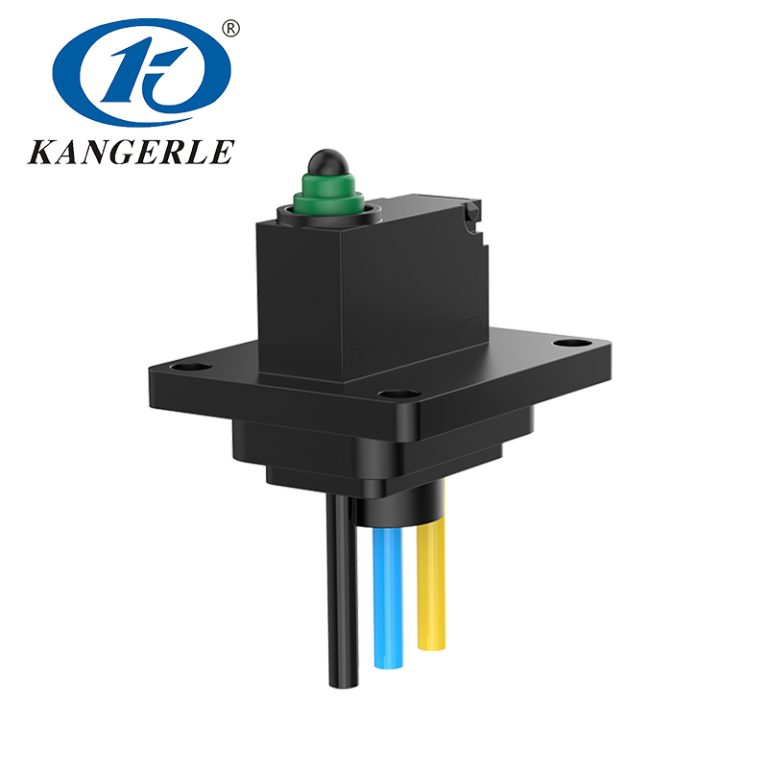
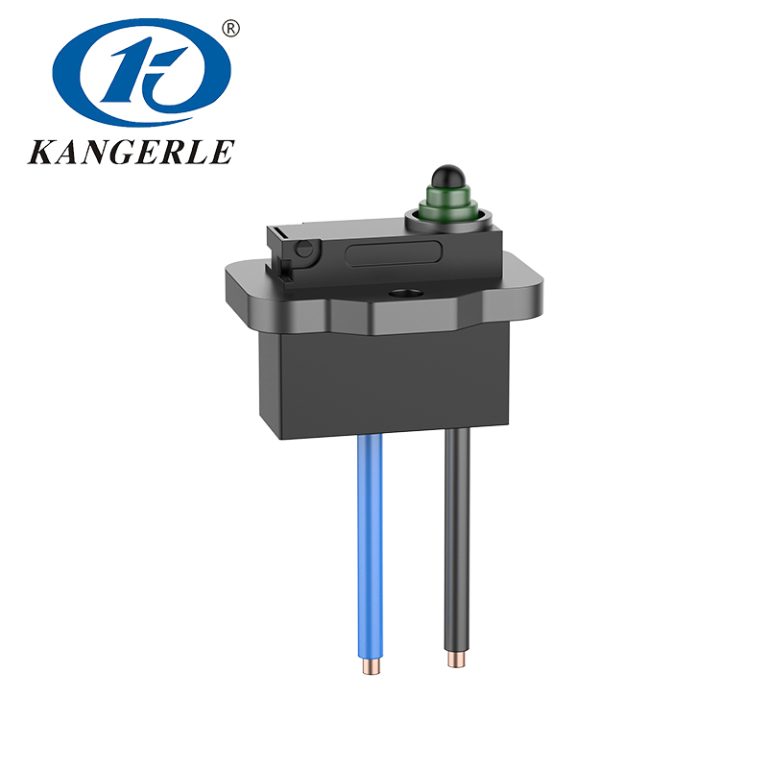
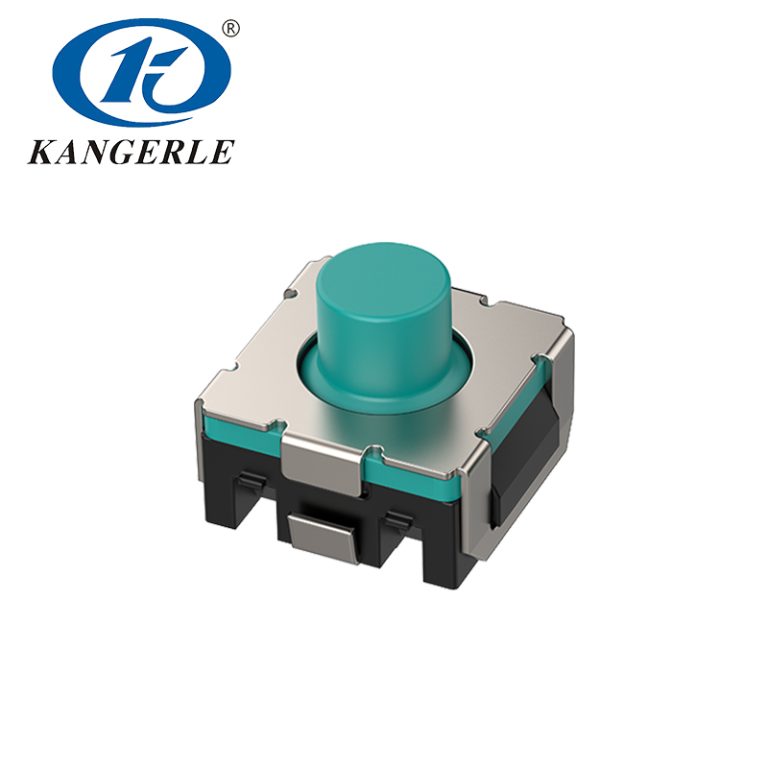
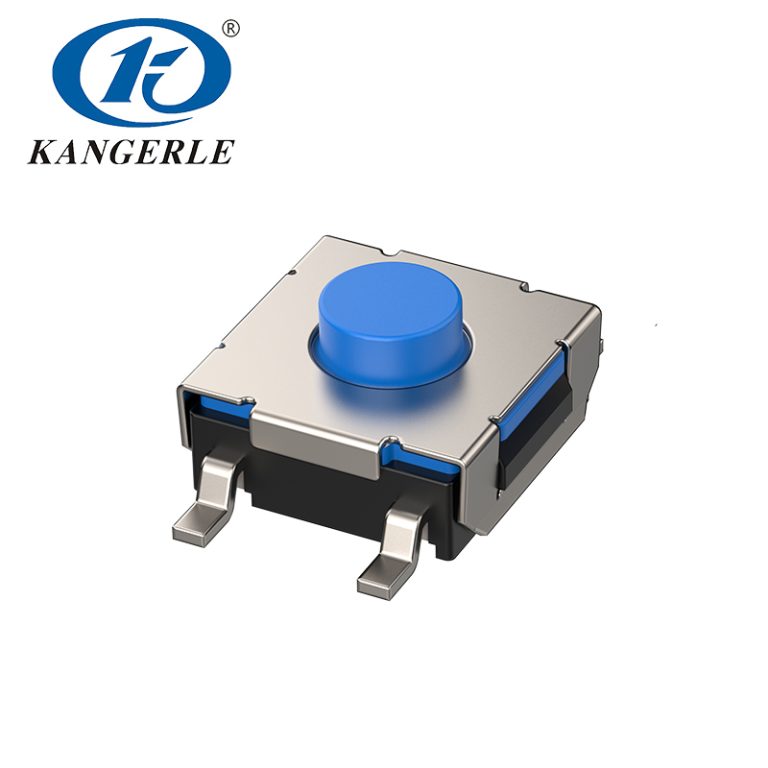
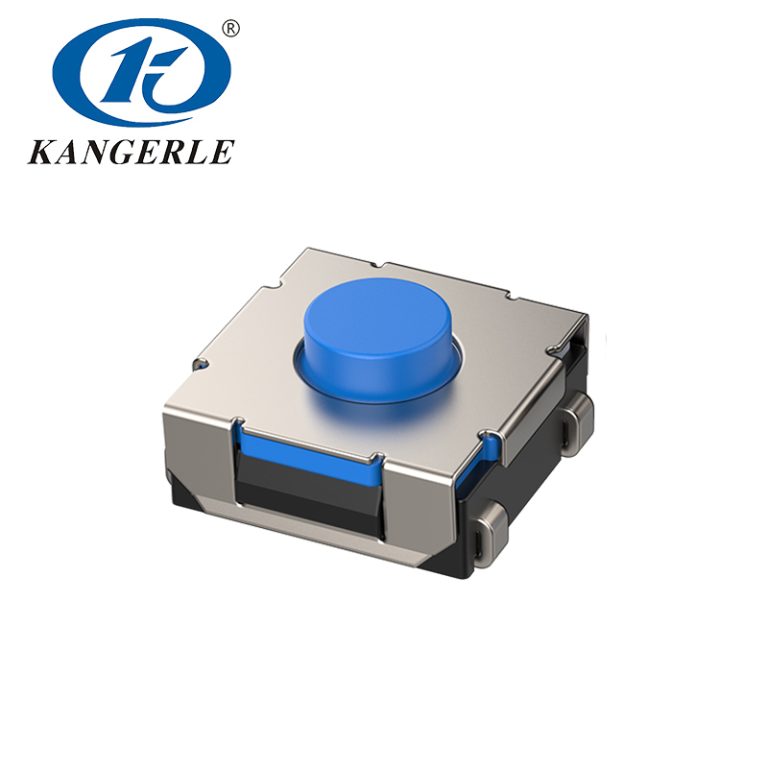
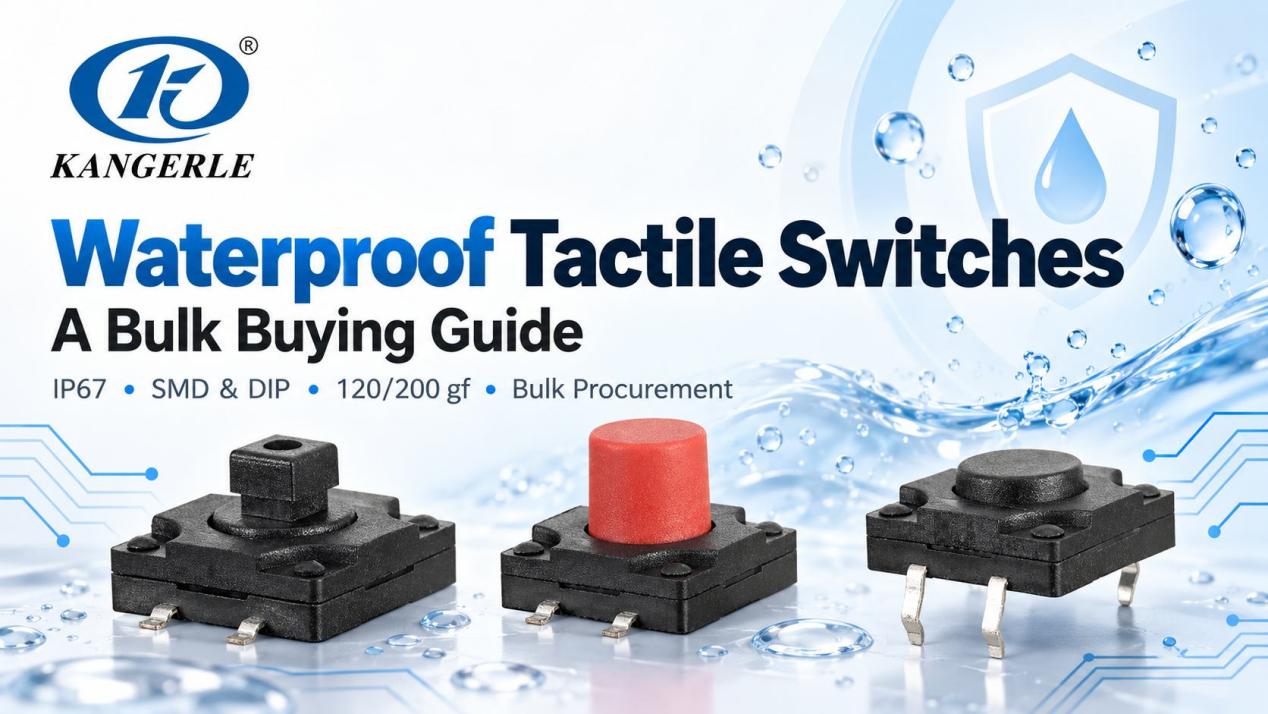
KANGERLE’s 12 × 12 mm waterproof tactile switch series comes in SMD and DIP formats, with several actuator heights plus red or black buttons. The SMD format is supplied on tape and reel. Circuit arrangement: SPST-NO. Rated load: 50 mA at 12 V DC. Published temperature window: -40°C to 85°C. Contact resistance is capped at 500 mΩ. Insulation resistance is 100 MΩ or higher at 500 V DC, and withstand voltage is 100 V AC or higher. The two force bands are 120 ± 30 gf and 200 ± 30 gf. Protection is IP67 with wiring. Published life is at least 100,000 electrical cycles and 300,000 mechanical cycles. Put these numbers in the quotation and incoming check sheet.
KANGERLE as a Reliable Supplier
ZHEJIANG KANGERLE ELECTRONICS CO. LTD is a manufacturer of various types of switches, including waterproof tactile switches. It publishes application areas in its solutions area and tactile-switch catalog. Check repeat lots against the approved sample, drawing revision, named test records, and written production terms.
The website also lists OEM and ODM support. For custom work, send the measured gap rather than a broad request. Keep the requirement, evidence, owner, and approval limit in the buyer’s quality file. Drawing and report requests can go through the страница контактов.
Заключение
Release the order only after the circuit, cap stack, drawing, and tested seal agree. Add force, cycles, soldering, cleaning, pack, incoming checks, and change notice. This is the practical route to comparable quotes and repeat lots that match the approved sample.
Часто задаваемые вопросы
Four common buying questions remain.
What IP Rating Is Suitable for a Waterproof Tactile Switch?
Start with the exposure. Is it splash, immersion, cleaning spray, or high-pressure water? Find the matching test method and confirm that the offered build appears in the report. Last step: repeat the relevant work on the full panel and enclosure.
How Should Operating Force Be Specified for a Bulk Order?
Put force, tolerance, fixture, speed, and press location on the sheet. Test with the production cap and gasket. Include center and edges; the guide and membrane may change the result more than two loose switches differ.
Can SMD and Through-Hole Switches Be Substituted?
Only after engineering review. Compare pads or holes, installed height, process, and packaging. Put the proposed part through the intended assembly line and housing before release.
What Documents Should Accompany a Bulk Purchase?
Technical pack: full identifier, controlled drawing, electrical limits, ingress report for that construction, required market declarations, pack details, approved sample, and change terms. File the incoming and qualification results called out by the order.