

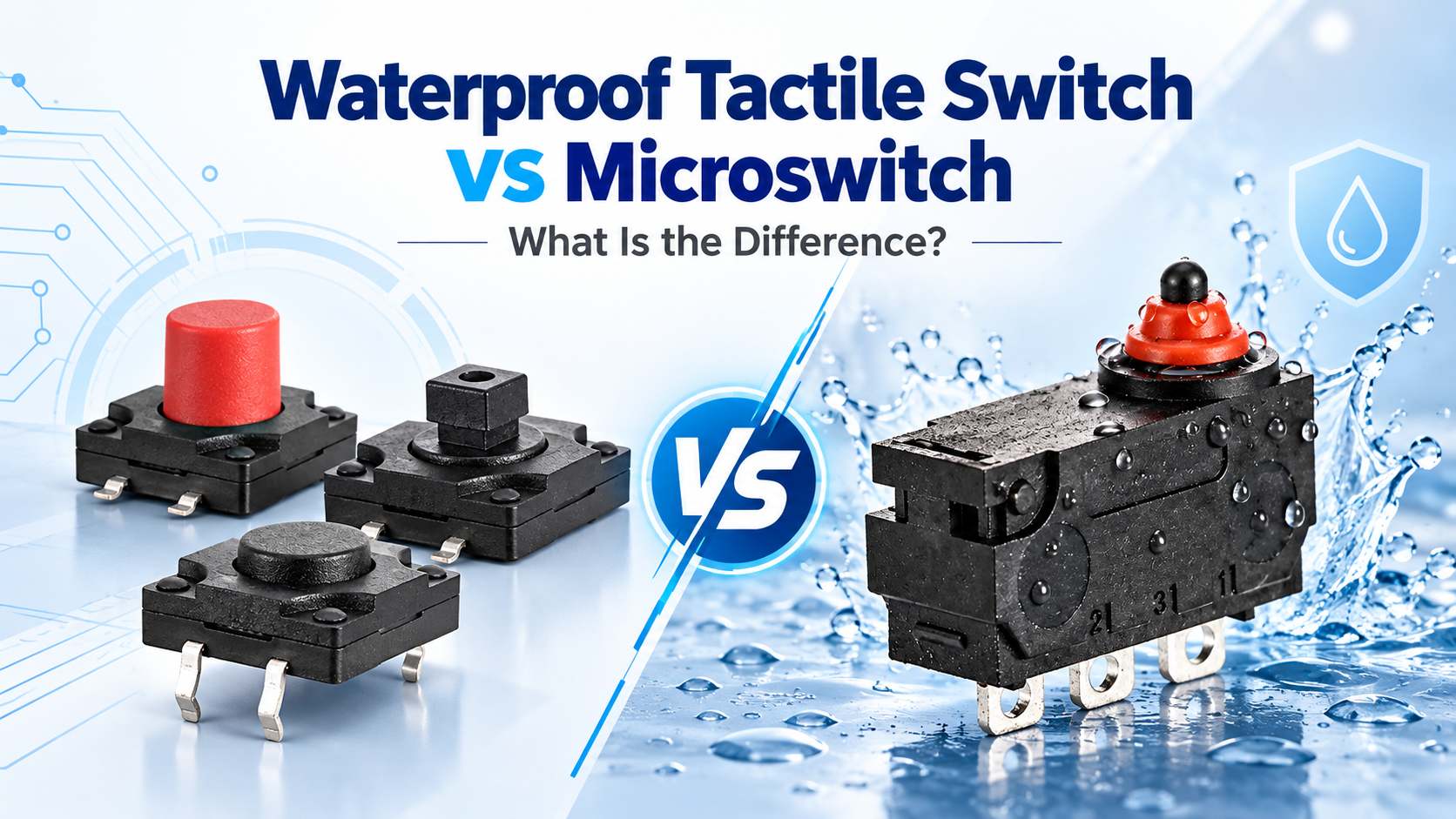
A waterproof tactile switch and a waterproof microswitch can both close a circuit in a wet or dusty application, but they solve different mechanical problems. A tact switch is usually pressed directly by a person as an electronic input. A microswitch is commonly actuated by a moving part to detect position, travel, or a limit. Choose by the motion and signal your product needs, then verify the exact switch ratings and sealing test conditions.
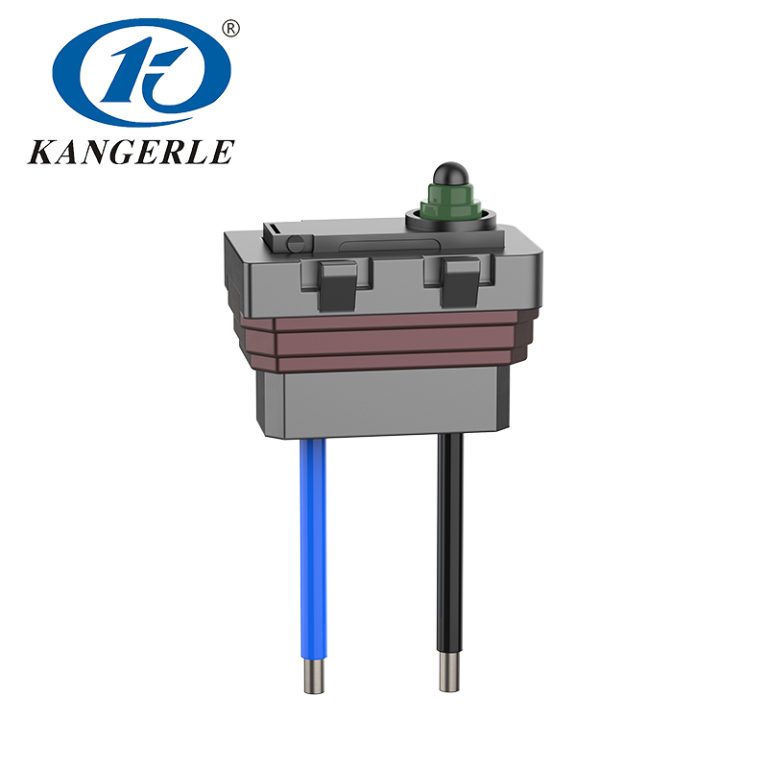
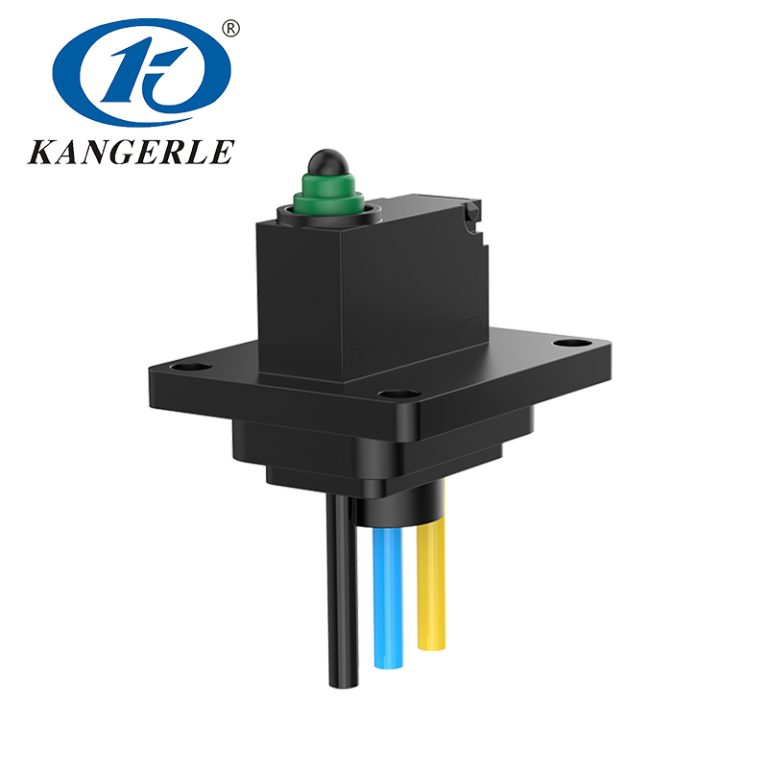
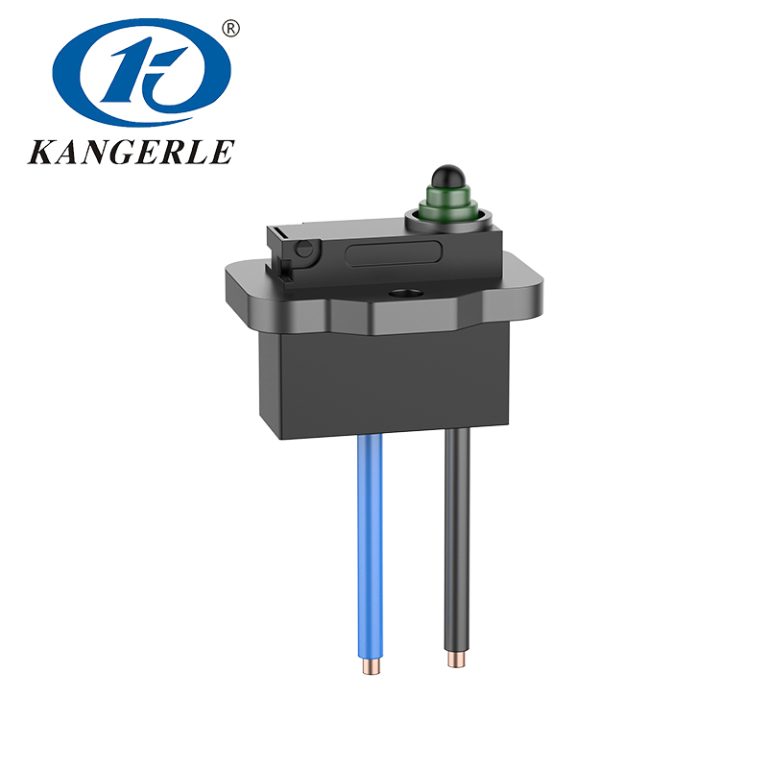
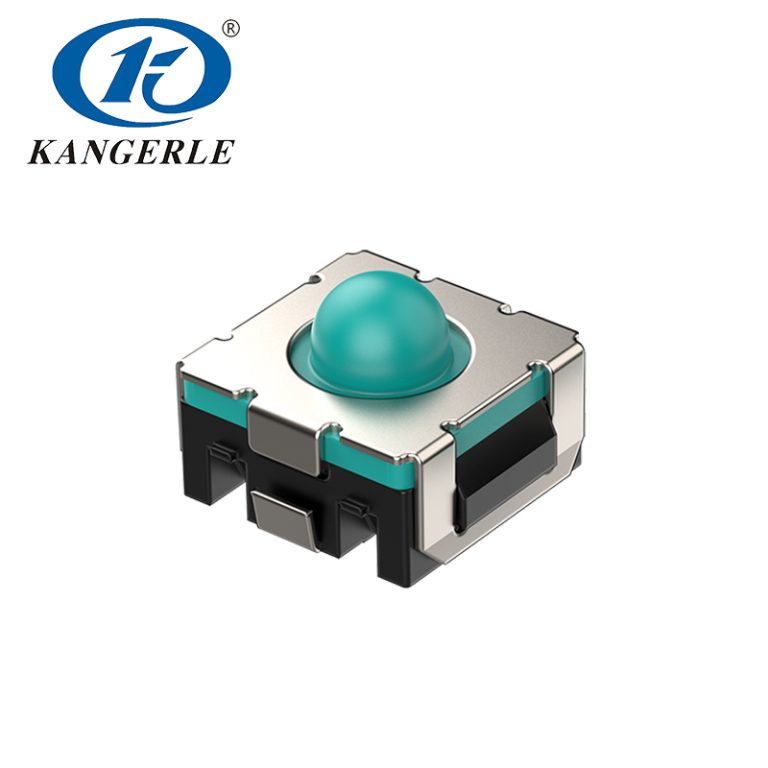
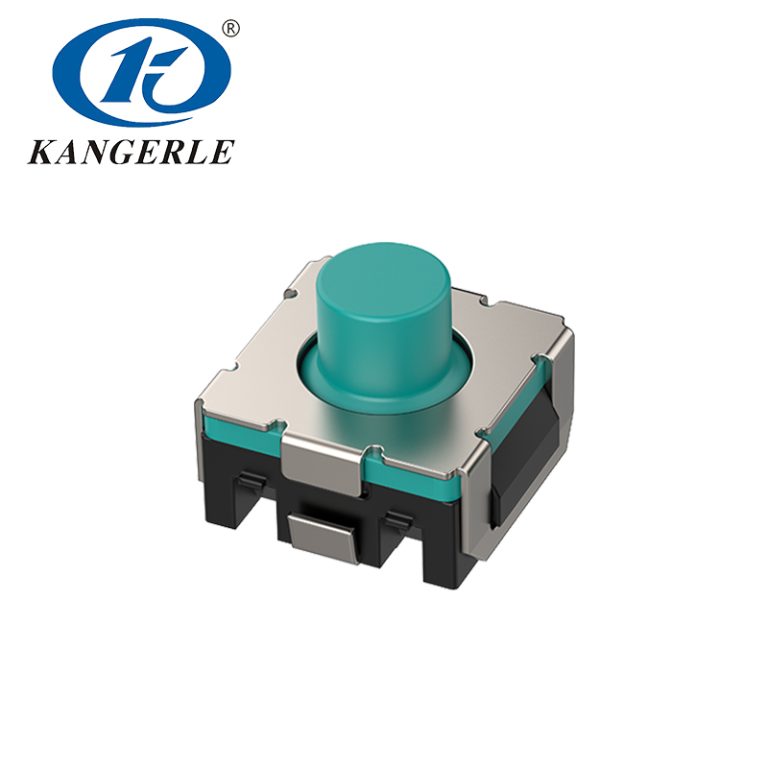
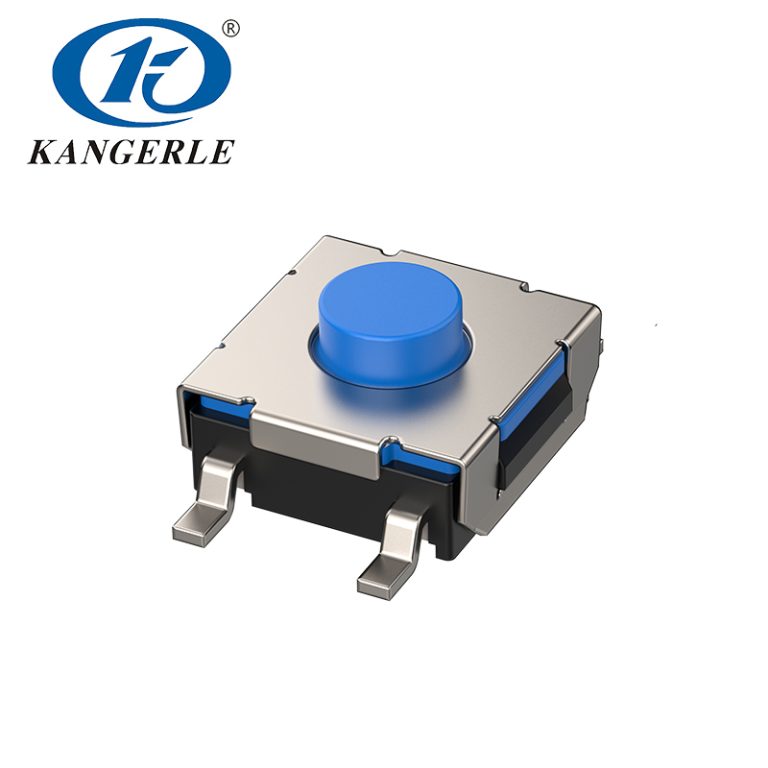
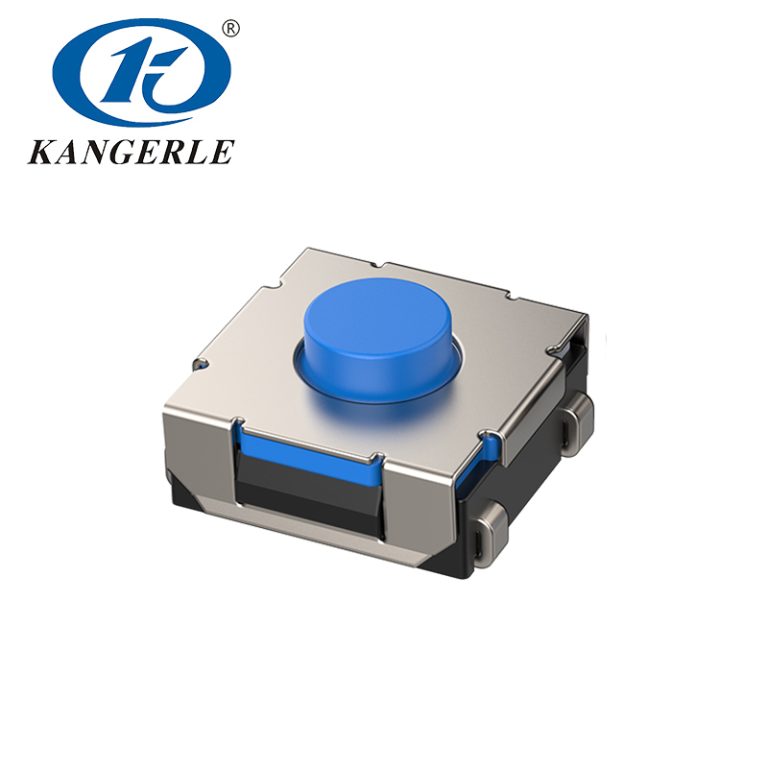
Канджерл 12 × 12 mm waterproof tact switch series и KW2-1A-B-B micro выключатель are useful starting points for comparing these product types. Their listed family or model details should be checked against the current drawing and specification before design approval.
The Short Answer
Choose a waterproof tactile switch when the user presses a compact button to send a momentary input to a control board. Choose a waterproof microswitch when a lever, cam, door, slider, or other moving part must trigger a circuit at a defined point. Both can be momentary switches, yet their actuator geometry, mounting, user feel, and mechanical interface differ. “Waterproof” describes a protection claim that must be confirmed for the exact configuration; it does not make the two switch types interchangeable.
How a Tactile Switch Works
A tactile switch is designed around a short press by a finger or an external button. The operator pushes an actuator, the contacts change state, and the circuit returns when the force is removed if the selected part is momentary. The compact body and PCB terminals make this style common on control panels, appliance interfaces, handheld products, and electronic devices.
The feel matters. Operating force, travel, return behavior, actuator height, and the way the enclosure button transfers force all affect whether a user can operate the control reliably. A membrane, gasket, or external button can change the force and alignment seen by the switch, so evaluate the whole stack-up rather than the bare component.
How a Microswitch Works
A microswitch is a small snap-action switch. Its internal mechanism changes contact state after the actuator reaches a trip point, often with a fast transition and a defined reset point. A plunger or lever can meet a moving machine feature, so the switch can report that a door is closed, a mechanism has reached its travel limit, or a component is in position.
The actuation method is central to the design. A roller lever can tolerate a sliding or rotating target differently from a straight plunger; an unlevered version needs an appropriate force and travel path. Check pre-travel, operating position, overtravel, differential travel, and reset behavior on the exact model drawing. These terms are not substitutes for testing the actual mechanism.
Key Differences at a Glance
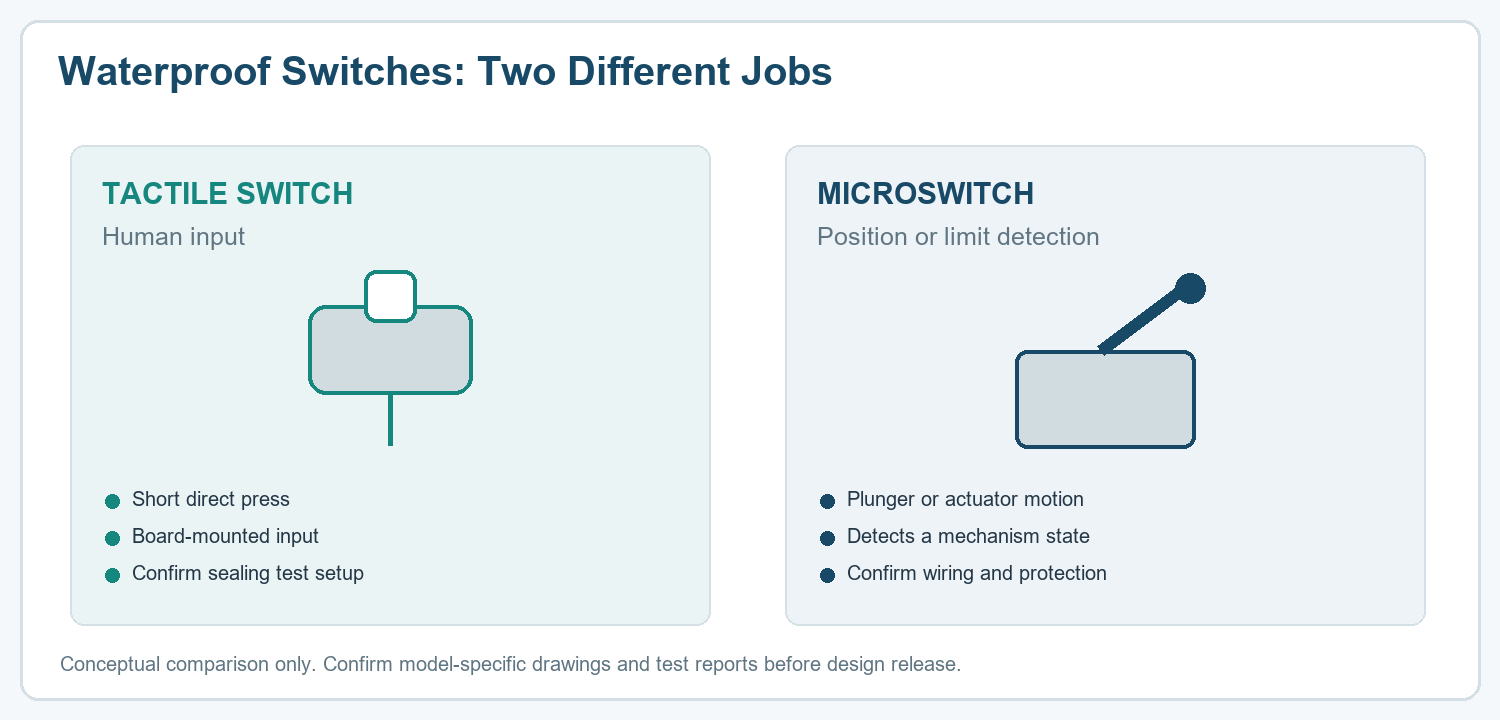
The practical distinction is the source and shape of the movement. A tact switch is commonly a direct user input. A microswitch is commonly a sensor-like mechanical input. Neither label alone determines current capacity, service life, or ingress protection.
| Typical job | Direct user input | Position or limit detection |
| Actuation | Short press on button or actuator | Plunger, lever, or roller meets moving part |
| Design focus | Feel, force, travel, board fit | Operating point, overtravel, target motion |
| Protection check | Exact model and mounted condition | Exact model, actuator and installation condition |
Waterproofing Needs Evidence
Do not infer the finished device’s protection from a product-family name or a single IP label. Ask which exact model and terminal configuration were tested, whether the test used a mounted or unmounted sample, and how soldering, wires, actuator movement, and enclosure installation affect the claim. A switch may be protected while the product still leaks through its panel opening, cable entry, or assembly joint.
The IP Code is defined by IEC 60529. Review the IEC 60529 standard record for the classification framework, then request the supplier’s applicable test report and conditions. The test evidence should identify the model, sample setup, test sequence, and acceptance result. A series page is a product reference, not a replacement for the current specification or report.
Which One Fits Your Application?
For a handheld menu key, appliance touchpoint, or compact panel button, begin with a tactile switch if a user supplies the press directly. Confirm actuator access, force, feel, return, and board footprint. If the enclosure button is offset or has a long stroke, the linkage may make another switch style a better fit.
For a door interlock, cover detection, mechanism end stop, or moving-part position signal, begin with a microswitch. Select an actuator that matches the movement and make sure the mechanism does not exceed allowed travel. The target must reliably reach the operating point without applying damaging side load or impact.
Some designs blur the categories: an external mechanism can press a tact switch, and a microswitch can sit behind a user-operated lever. In those cases, decide from the force, travel, mounting, and life requirements rather than the name alone. Prototype the assembly and test tolerance extremes.
Compare the Exact Product, Not Just the Category
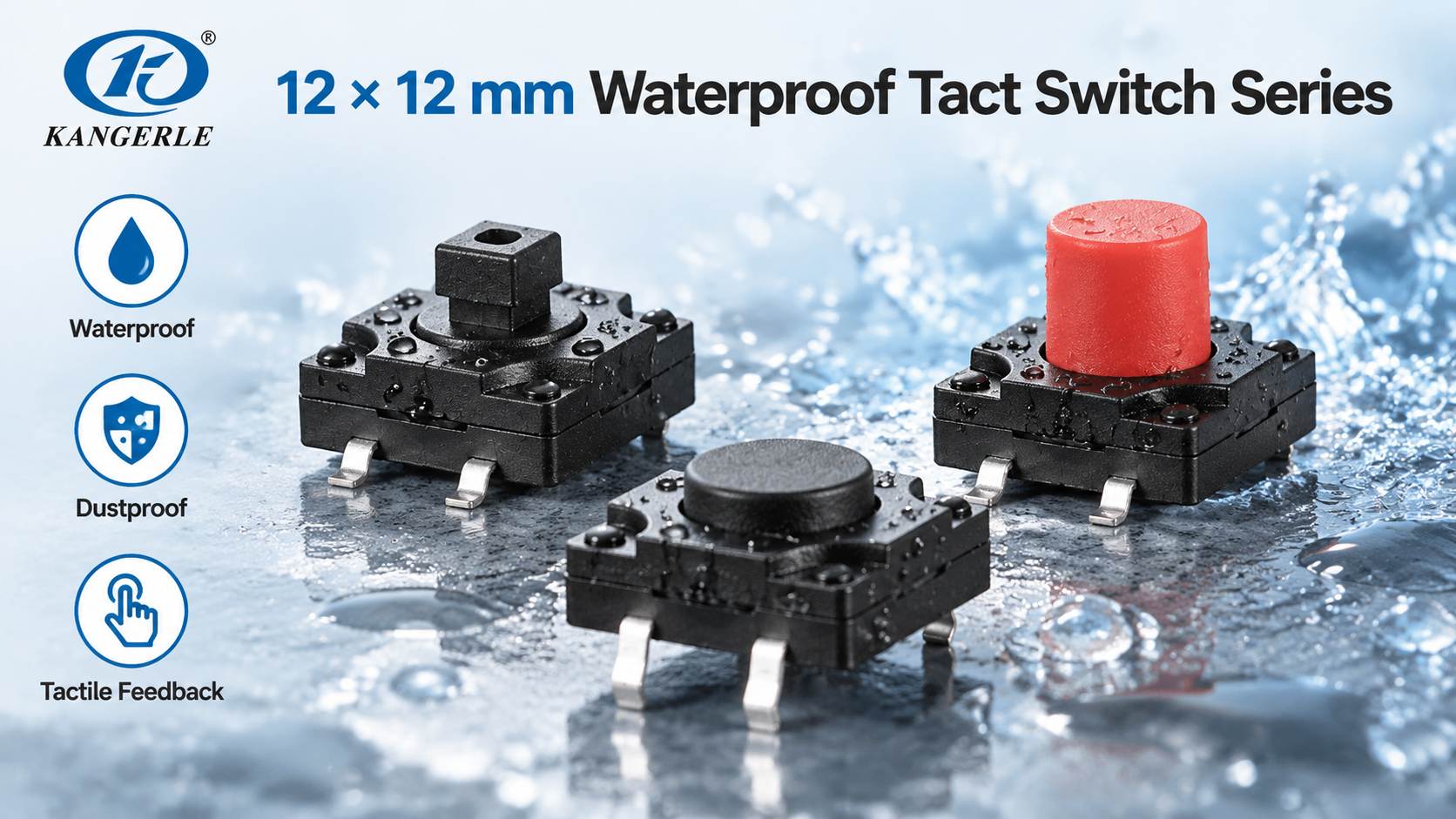
The KANGERLE 12 × 12 mm Waterproof Tactile Switch Series is designed for compact human-input applications such as control panels, appliances, and electronic devices. With a 12 × 12 mm PCB mounting size, it provides a direct press operation with tactile feedback, making it suitable for applications requiring a clear button response. Key factors to evaluate include operating force, travel, actuator height, electrical rating, and waterproof performance under the actual installation condition.
The KANGERLE KW2-1A-B-B Waterproof Microswitch is designed for mechanical detection applications, including door locks, controllers, and limit sensing systems. It features a snap-action mechanism, SPDT contact configuration, a rated load of 0.1A 125/250V AC and 3A 12V DC, an operating temperature range of -40°C to +85°C, and IP67 protection after proper wiring. Its mechanical life is rated at ≥500,000 cycles, making it suitable for applications requiring reliable position detection.
The key difference is application focus: the 12 × 12 waterproof tactile switch is optimized for user pressing, while the KW2-1A-B-B microswitch is optimized for mechanical triggering and position sensing. Always verify the exact model specifications before design approval.
A Simple Selection Checklist
Write down the electrical load and circuit function, including whether the switch carries power or only a logic signal. Then document the actuation direction, available travel, target force, mounting plane, terminal style, and space envelope. Add the environment and required protection evidence, plus the expected operating cycles and acceptance criteria.
Request the model drawing, rating table, and test report for the exact offered configuration. Test representative samples in the real enclosure and under the intended circuit conditions. Keep the approved drawing revision and sample identification with the purchasing record so a substitute cannot slip into production unnoticed.
Представляем компанию ZHEJIANG KANGERLE ELECTRONICS CO. LTD.
ZHEJIANG KANGERLE ELECTRONICS CO. LTD is one of the key players in the manufacturing of waterproof micro switches. Founded in the early 1990s in Wenzhou, China, the company focuses on electrical components used in applications such as automotive and household appliances. Having over 20 engineers in design and producing over 50 million products per month, it holds certifications such as ISO9001:2015, IATF16949, and UL. As a supplier, it offers complete solutions with customized designs to satisfy global demands for consistent switches.
Заключение
The choice becomes clear when you identify who or what moves the actuator. Use a tactile switch for a compact user input when its force and travel fit the interface; use a microswitch for a mechanism-triggered position or limit signal when its operating point and actuator match the motion. Confirm each claim against the current model specification, then validate the assembled product.
For a model-specific discussion, share the application, circuit conditions, mechanism or button geometry, environmental requirement, and the documents needed for qualification. See the KANGERLE contact page.
Questions Buyers Often Ask
Can a waterproof tact switch replace a waterproof microswitch?
Only when its electrical ratings, actuation force, travel, mounting, protection evidence, and service life all fit the mechanism. A direct button input and a snap-action position detector are not automatically equivalent.
Does IP67 mean the complete device is protected?
No. The rating applies to the tested configuration and conditions. The enclosure, PCB, wiring, seals, and assembly can determine whether the finished device achieves the required protection.
Which switch is better for a user button?
A tactile switch is often a natural starting point for a compact direct press. The right choice still depends on the external button geometry, required force and travel, circuit load, and environmental test.