
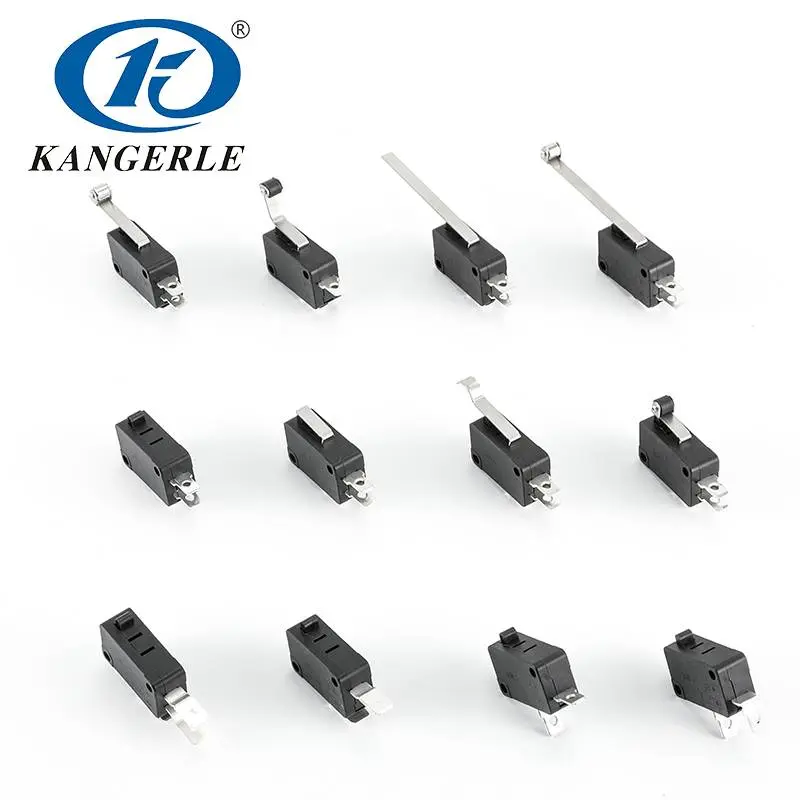
In factory control systems, people often use two names in the same way. These names are micro switch and limit switch. Both devices do jobs that are almost the same. They find movement and send control signals. But the way they are built is different. The places they are used are not the same. How they perform is also quite different. It is useful to understand these differences. They can affect how dependable the system is. They change the price too. Safety can improve with the right choice. This is true in many areas. Some areas include machines in factories that run on their own. Others are home electronics that people buy every day. Car parts use them as well.
This piece looks closely at the real differences between micro switches and limit switches. It checks out real world uses. It goes over ways to choose the right one. There are tips for putting them in place. It shows how each type changes how well things work. The goal is to help engineers. It aids people who buy parts for work. Technical buyers can make smarter choices. They will have more information after this.
What Is a Micro Switch and a Limit Switch?
It is important to define each one clearly.
In control terms, a switch changes its electrical contacts when it gets physical input. Both types turn mechanical motion into electrical signals. But they differ in size and how they work.
What Is a Micro Switch?
A micro switch is a very small switch. It acts fast and with exact results. It needs very low force to operate. People make it for quick response with very little movement. In practice, they fit in tight spaces. Reliability and repeatability are important there.
Common traits include these. The size is small. Weight is light. Actuation force is very low. The mechanism is fast snap action. Repeatability is high with millions of cycles.
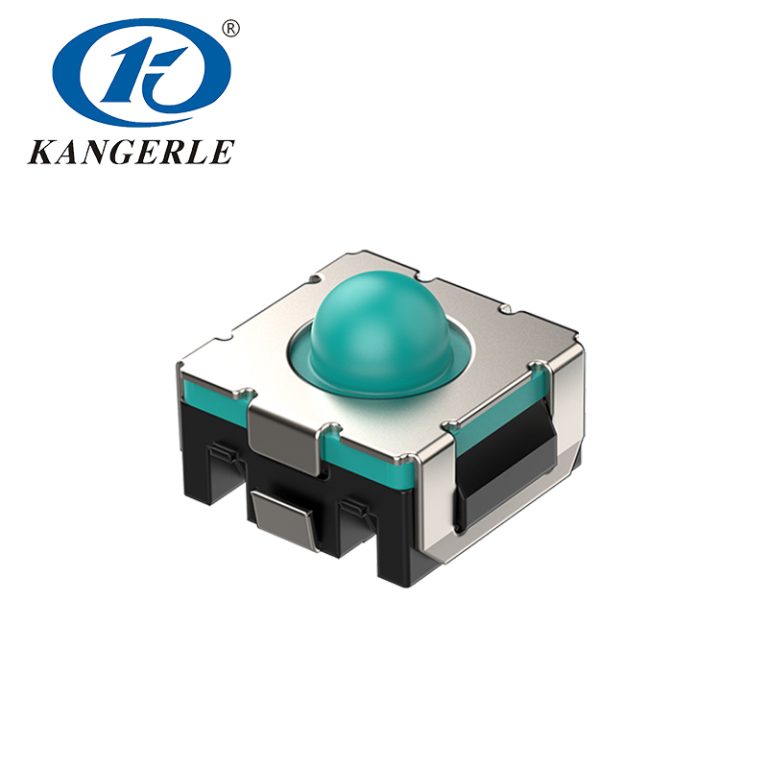
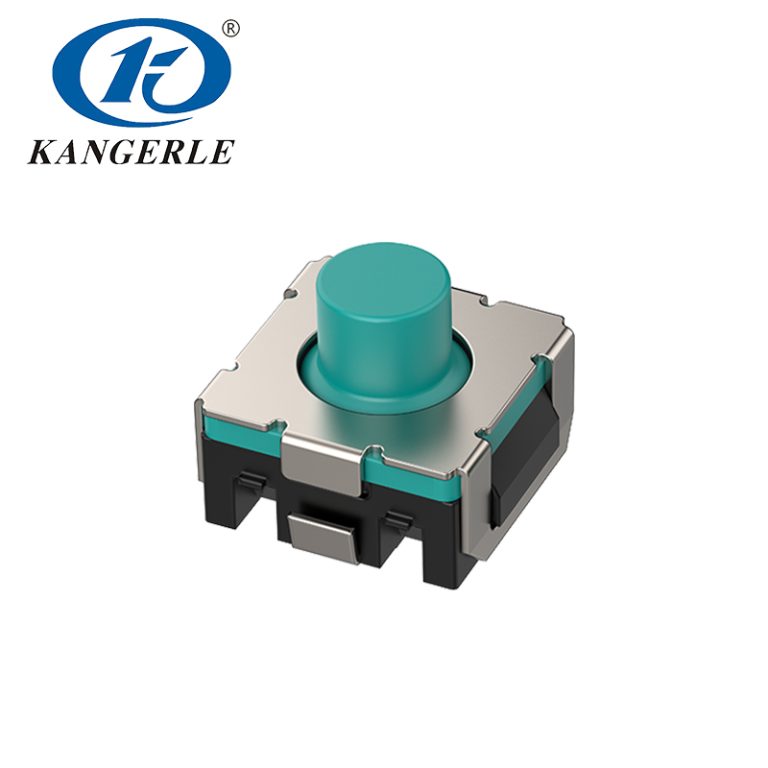
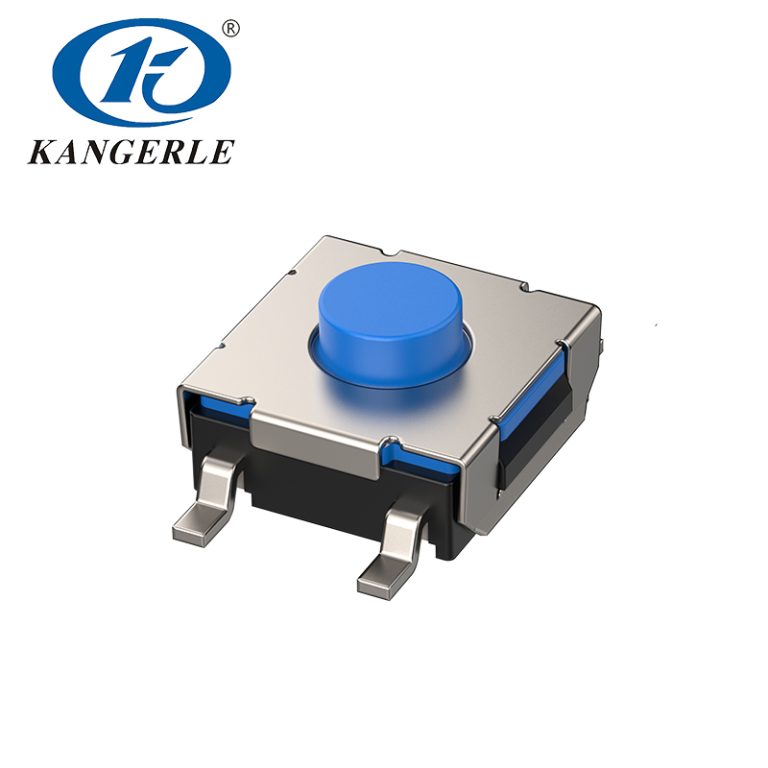
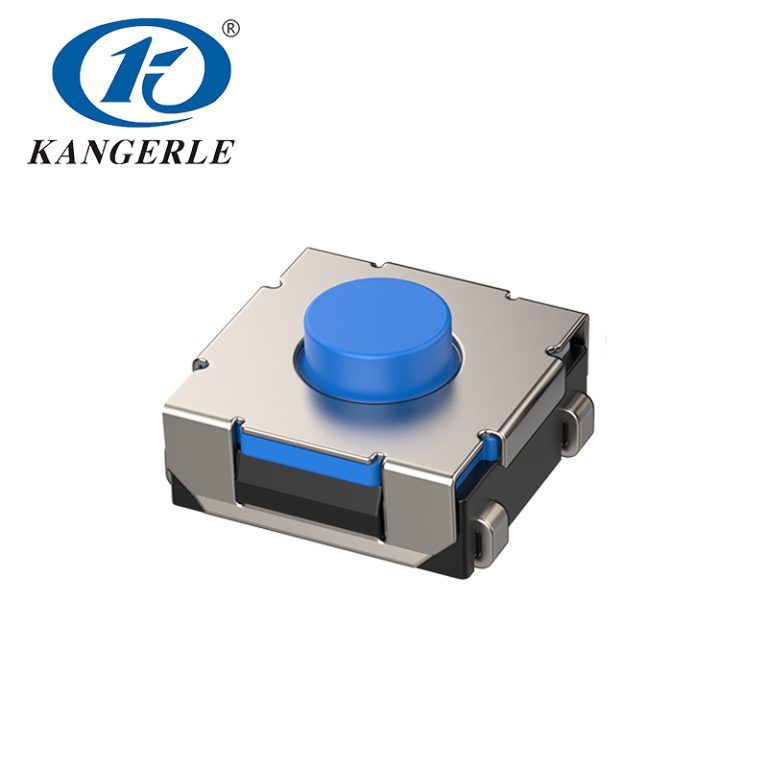
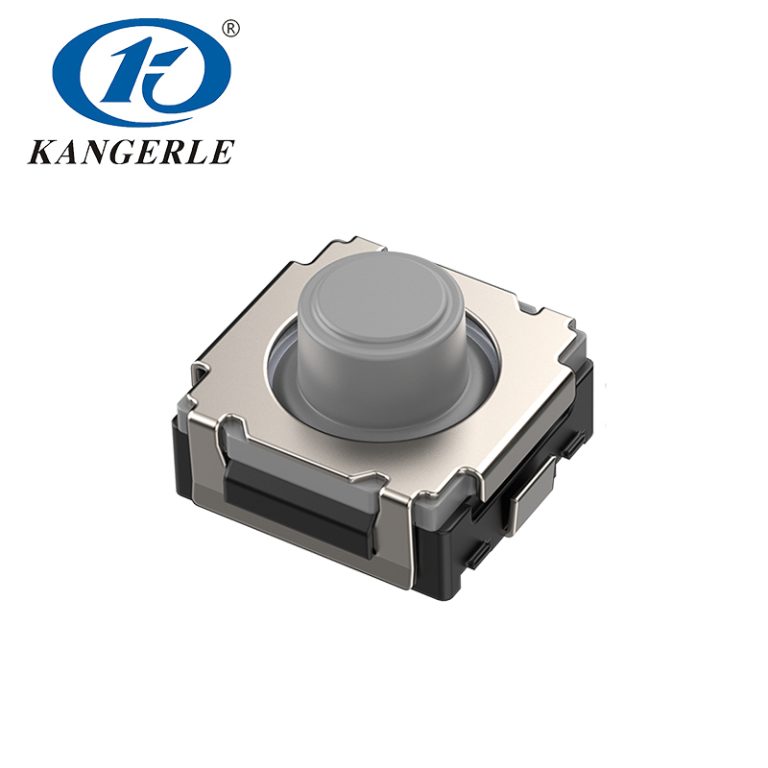
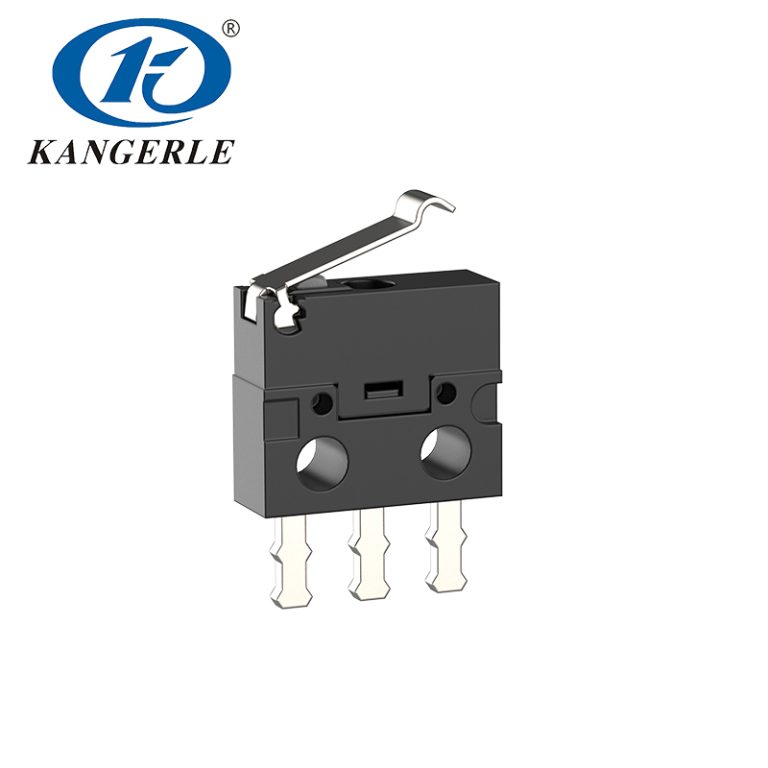
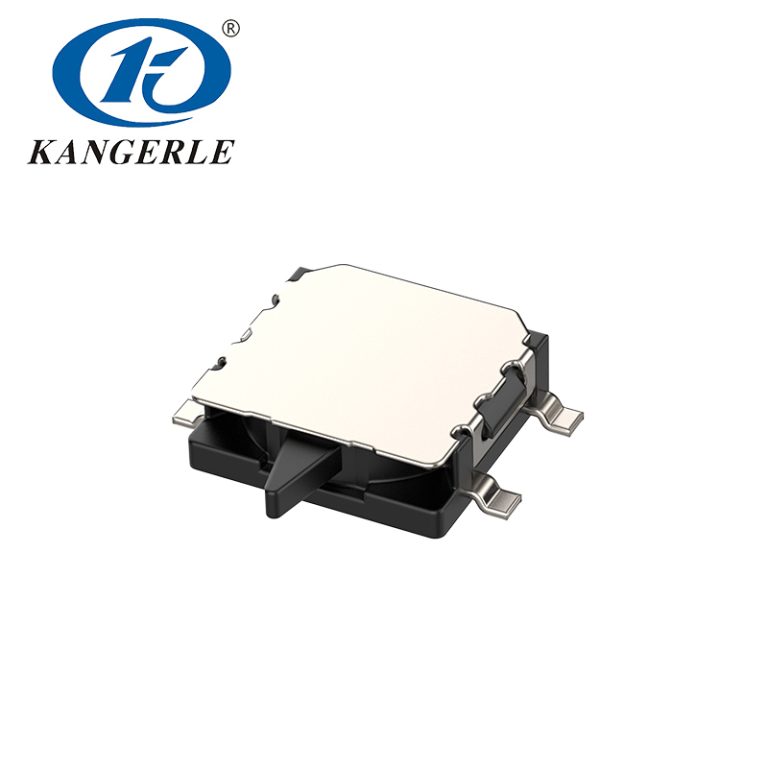
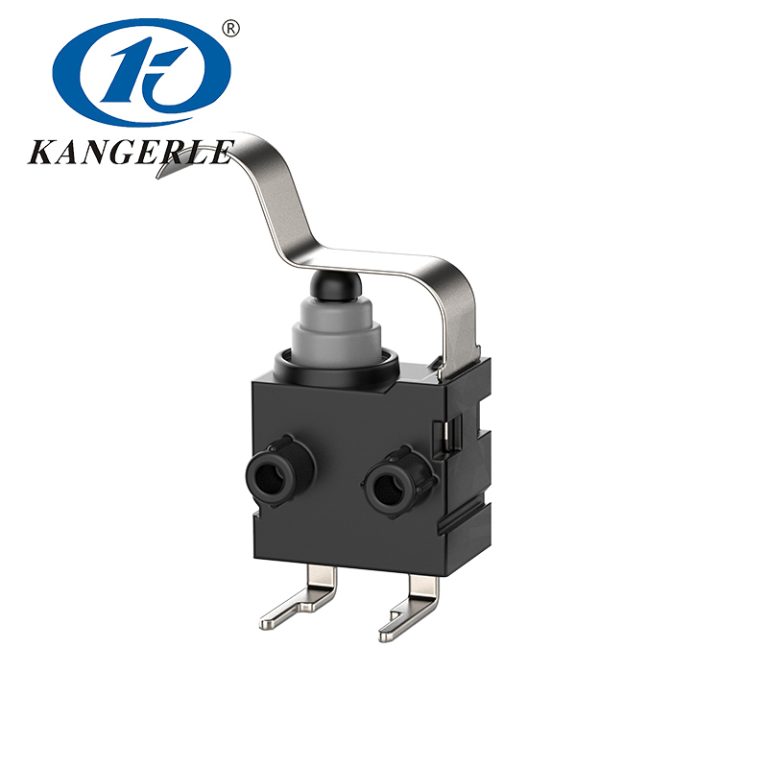
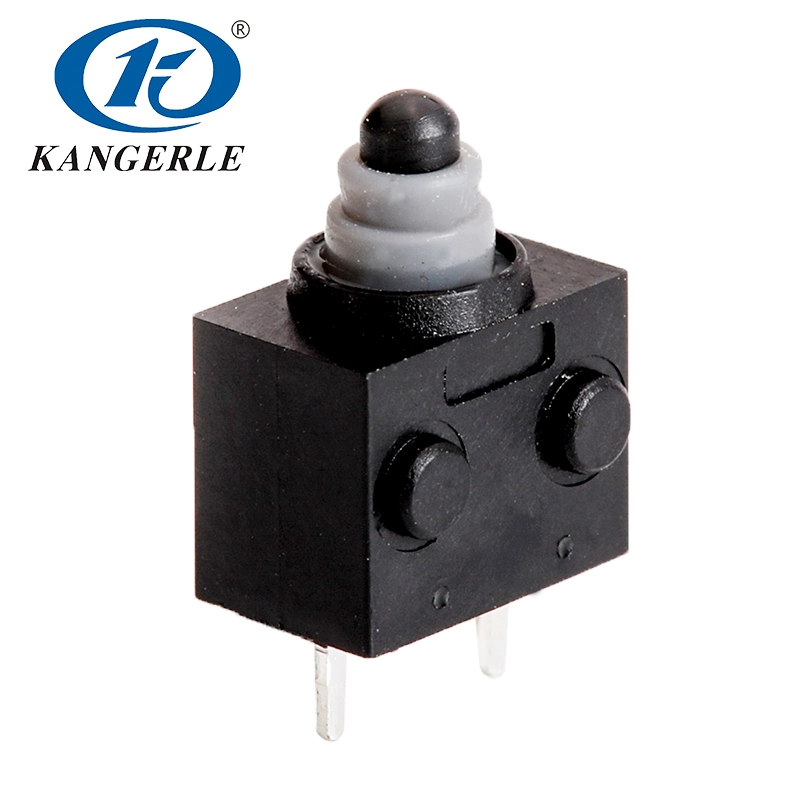
Examples of micro switches for industrial and consumer use stay the same. One example is KANGERLE ELECTRONICS’s KW1 Waterproof Micro Switch with 1C/2C configuration. Another is KW3 Zippy Micro Switch rated for 6A applications. There is KW12 Compact Micro Switch with up to 3A load capability.
What Is a Limit Switch?
A limit switch is larger. It is a mechanical switch. It finds the presence or position of moving machine parts. It has a more robust actuator. This can be a lever, roller plunger, or whisker. It is for heavy duty environments. Limit switches serve as safety devices in machinery. They define travel endpoints. They prevent over-travel. They provide status feedback to control systems.
Key features include these. The form factor is larger than micro switches. Mechanical durability is higher. Actuator styles are versatile. They often work as end-of-travel sensors in industrial automation.
With definitions clear, we can now explore how they operate.
How Micro Switches and Limit Switches Work
It helps to look at the way each device finds motion. Then see how it changes state.
Micro Switch Operation
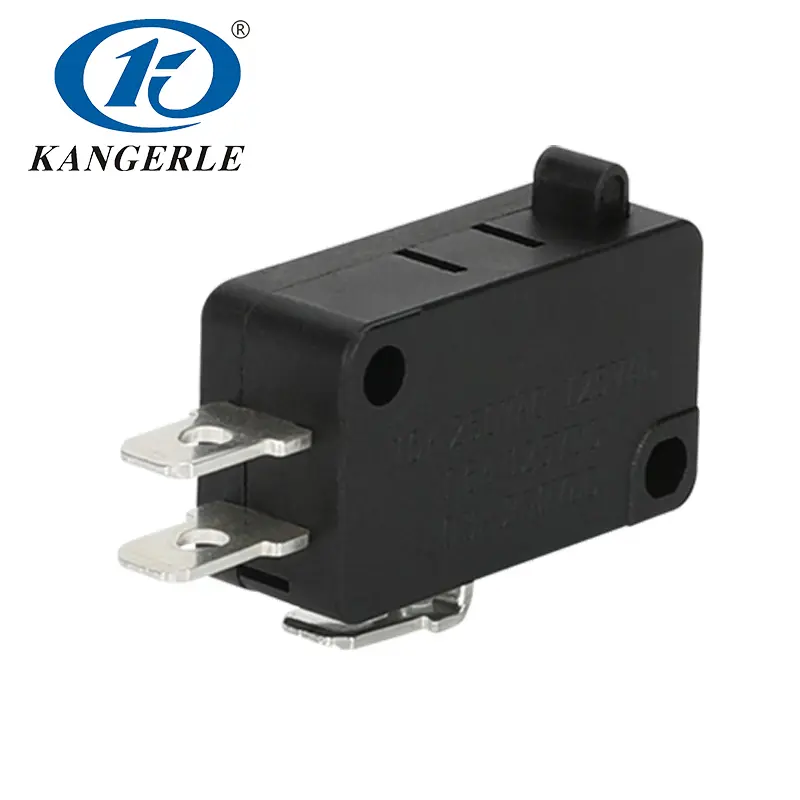
Micro switches use an internal snap-action mechanism. A small external force presses the actuator. The actuator can be a button, roller, or lever. The spring-loaded part inside changes contact states rapidly.
Snap Action Explained
The snap action mechanism has two stable states. These are normally open (NO) and normally closed (NC). The actuator passes a defined travel amount. Then internal contacts snap from one state to the other. This design gives a crisp electrical transition. Debounce is very little. It is essential for exact control.
Limit Switch Operation
Limit switches use a plunger or lever to find movement. The actuator touches a moving part of the machine. Motion continues. The actuator moves a set distance. This causes internal switching action.
For example, in a conveyor line, a limit switch finds the presence of an object. It triggers a stop signal at a specific position.
The comparison below shows the core differences.
Core Comparison: Micro Switch vs Limit Switch
Look at this table for a quick view of the key points.
| Feature | Micro Switch | Limit Switch |
|---|---|---|
| Typical Size | Small | Larger |
| Actuation Force | Low | Medium to high |
| Snap Action | Yes, precise | Often yes, but slower |
| Mechanical Life | Very high (millions of cycles) | High, but lower than micro |
| Best Use Cases | Precision detection, small devices | End-of-travel sensing, heavy machinery |
| Actuator Types | Button, lever, roller | Plunger, roller lever, whisker, foot |
This table highlights the main contrasts. Micro switches are good for precision and speed in small areas. Limit switches suit tough jobs and safety at boundaries.
Key Takeaways
Micro switches do best where precision, speed, and small size are priority.
Limit switches suit rugged motion detection and safety limits at machine boundaries.
These takeaways are simple but important.
Now, let’s see situations where a micro switch is the best choice.
When to Use a Micro Switch
Micro switches are very useful. They work in applications that need reliable detection in a compact form. Here are typical scenarios.
Consumer Appliances are one area. They find door closure in ovens. Microwaves use them too. Washing machines have them as well. This makes sure safety interlocks engage reliably every time. It is very dependable.
HVAC Systems use them next. They find air flow. Damper position is another use. This keeps environmental controls accurate and steady.
Packaging Lines benefit greatly. In automated packaging, they give high-speed detection of product presence. There is no need for bulky sensors.
Elevator Controls rely on them. Position feedback in doors and cabins helps. Operation stays smooth.
Automotive Controls gain from them. They find pedal or lever position. Low force and snap-action help here.
The common thread is clear. Micro switches handle frequent cycling with very little force. For example, in a door safety system that cycles thousands of times a day, a micro switch with millions of rated cycles reduces downtime and maintenance. This saves time and money.
You can see how they fit many everyday and industrial tasks.
After looking at micro switches, it is good to check the cases for limit switches.
When to Use a Limit Switch
Limit switches are preferable in some systems. These involve larger mechanical motion. Environmental protection and mechanical toughness matter a lot.
Conveyor Systems use them often. They find the end of stroke for rollers or gates.
Industrial Robots need them. They set travel limits. This prevents overextension.
Heavy Machinery depends on them. Machinery with large moving panels uses lever-actuated limit switches. They provide robust feedback.
Material Handling Equipment uses them too. They stop motion at predefined end points. This protects equipment and operators.
Automated Doors and Gates have them. They confirm when a gate or door is fully open or closed.
In these environments, mechanical robustness is key. Versatility of actuator styles helps. This makes limit switches more appropriate than smaller micro switches.
With uses clear for both, the next step is selecting the right one for your job.
Selecting the Right Switch: Practical Criteria
Choosing between them involves balancing needs. Performance is one. Space limitations matter. Environmental conditions are important too.
First, consider physical space and size. If the application space is tight, micro switches are often the only feasible option. Limit switches generally require more mounting area. They need actuator clearance as well.
Second, think about actuation force. Lower actuation force minimizes wear. It reduces control effort too. Micro switches are ideal when actuation force must remain very low.
Third, evaluate electrical ratings. Check current and voltage requirements. For higher power loads, select switches with appropriate ratings. Micro switches can be made to handle moderate power. Limit switches are designed for heavier electrical loads.
Fourth, look at environmental conditions. Dust, moisture, and vibration affect switch performance. Some micro switches, like the KW1 Waterproof Micro Switch, are designed to withstand harsh environments. For very harsh conditions with impact and vibration, a purpose-built limit switch may offer better longevity.
Fifth, consider mechanical life expectancy. Switches are rated for a number of cycles. Micro switches can exceed millions of cycles. They are suitable for high-cycle applications. Limit switches still provide robust life. But they typically have lower cycle counts due to larger moving parts.
These points help you decide wisely. They ensure the switch matches your exact needs.
Real Application Examples
To help even more, here are some real application examples.
Example: Packaging Line Pick‑and‑Place
In a pick‑and‑place system handling small bottles, micro switches detect bottle presence on guides. A micro switch with a roller lever actuates instantly as bottles pass, signaling the controller to pick and move the item. The high repeatability prevents jams and improves throughput.
Example: Conveyor End‑Stop
In a heavy conveyor arm, a limit switch with a plunger actuator marks the end of travel. The plunger is contacted by the arm edge, triggering a stop command. The limit switch’s robust construction resists dust and impacts typical in a warehouse.
Example: Safety Interlock
An industrial door uses both switch types: a micro switch detects when the latch engages (low force, frequent operation), and a limit switch confirms full opening of the heavy door panel (large movement, robust detection).
Choosing the Right Actuator Style
Switch performance depends on actuator design too. Common options include these.
Button Actuators are used in precise micro switch activation.
Roller Levers are ideal when the actuated part moves laterally.
Plunger Actuators are best for direct linear motion in limit switches.
Whisker Actuators are useful for delicate or low-force detection.
When selecting an actuator, match travel direction. Consider force and speed of the machine part. This matches the switch mechanism well.
Now that actuators are covered, it is time to talk about installation and maintenance.
Introducing ZHEJIANG KANGERLE ELECTRONICS CO. LTD
ZHEJIANG KANGERLE ELECTRONICS CO. LTD is a well-established supplier. They focus on electromechanical switches. These are used in industrial, commercial, and consumer applications.
The company’s product portfolio includes a wide range of micro switches. They are engineered for durability, precision, and compatibility across diverse control systems.
They have strong capabilities in design. Quality control is good. Customer support is helpful. KANGERLE ELECTRONICS delivers customizable solutions. These integrate reliably into automation systems, HVAC equipment, safety interlocks, and more.
The company emphasizes rigorous testing. They meet global standards in electrical safety and performance.
They combine precision engineering with practical configurations. Examples are waterproof micro switches and versatile actuator styles. KANGERLE ELECTRONICS’s offerings support enhanced performance in both new designs and retrofit projects.
Conclusion
Choosing between a micro switch and a limit switch is about application requirements. It is less about preference. Micro switches deliver fast, low-force actuation in compact spaces. They are ideal for high-cycle and precision needs. Limit switches provide tough, heavy-duty detection for larger mechanical systems.
Understanding differences in size, actuator style, electrical rating, and environmental resistance will guide better product selection.
Whether designing consumer products or complex industrial automation, selecting the correct switch improves system reliability. It reduces maintenance. It enhances safety.
Evaluating real needs and matching them with technical characteristics ensures that control systems perform optimally under real-world conditions.
FAQs
What is the main difference between a micro switch and a limit switch?
A micro switch is a compact snap-action switch. It is optimized for low-force actuation and high repetition. A limit switch is larger. It has robust actuation for heavy machinery endpoints.
Can a micro switch be used as a limit switch?
In low-force, small-motion cases, a micro switch can function similarly. For heavy or high-impact travel detection, a purpose-built limit switch is preferable.
How do electrical ratings affect micro switch selection?
Electrical ratings determine current and voltage capacity. Choose a micro switch rated above expected load values. This avoids premature failure.
Are waterproof micro switches suitable for outdoor use?
Yes, waterproof micro switches like the KW1 series are designed to resist moisture and contaminants. They are suitable for outdoor or harsh environments.
What factors influence micro switch lifespan?
Actuation force, cycle frequency, environmental conditions, and contact load all influence how long a micro switch lasts in an application.