
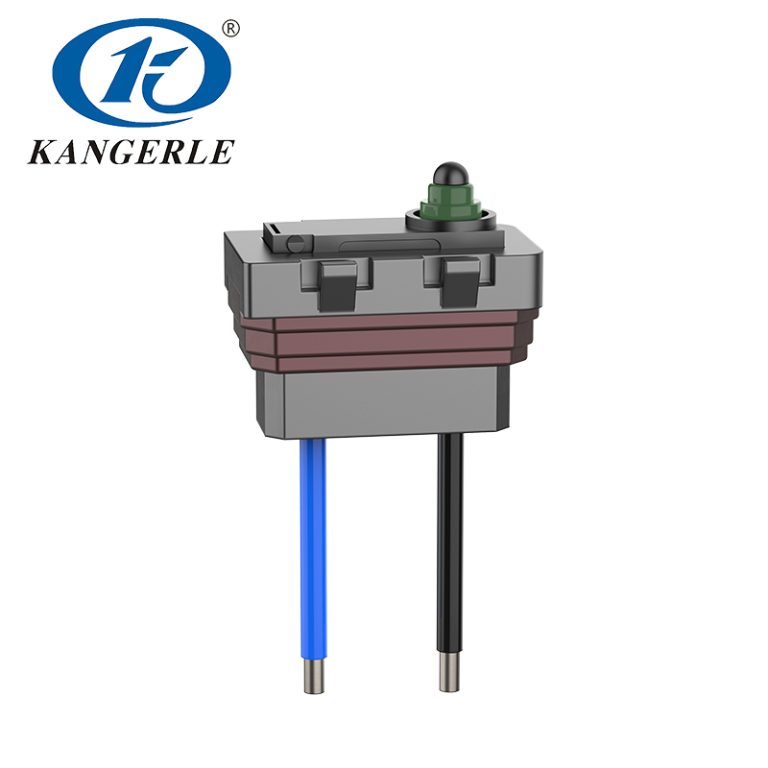
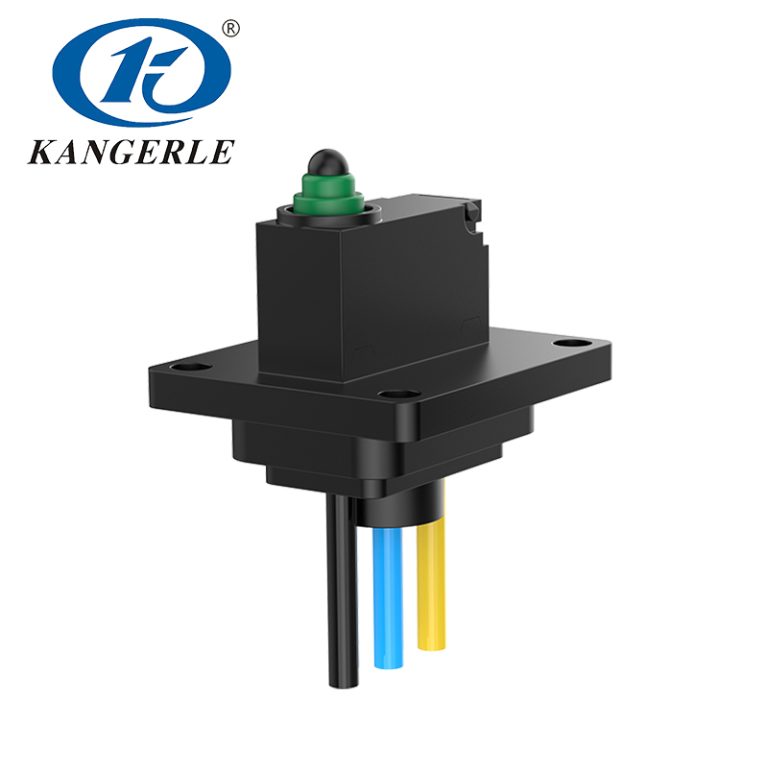
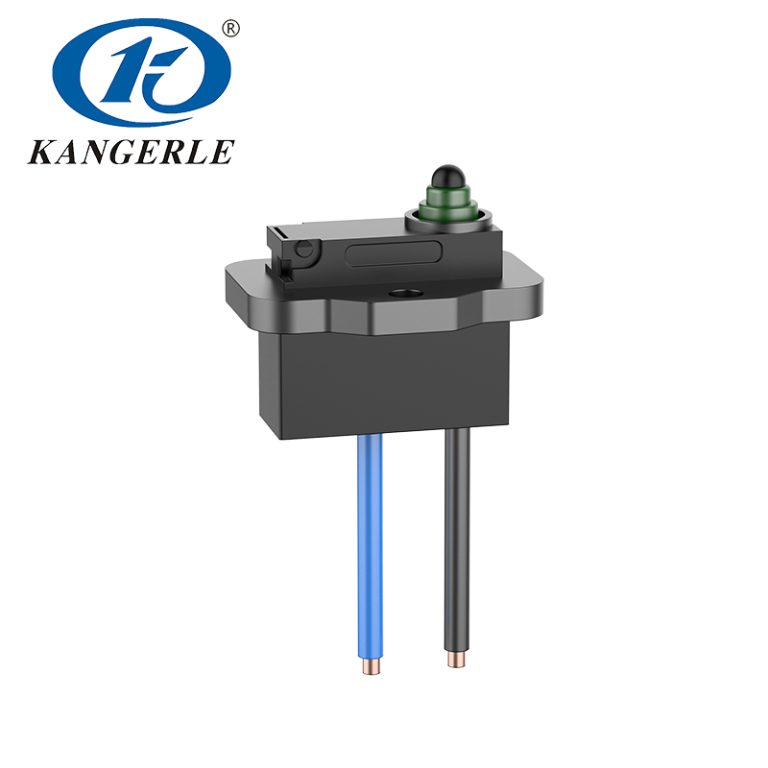

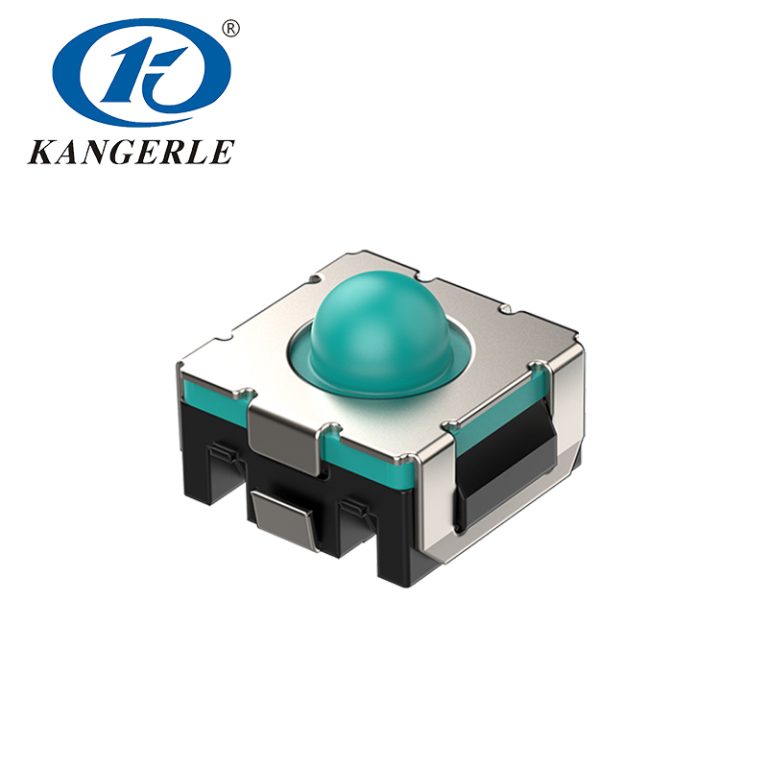
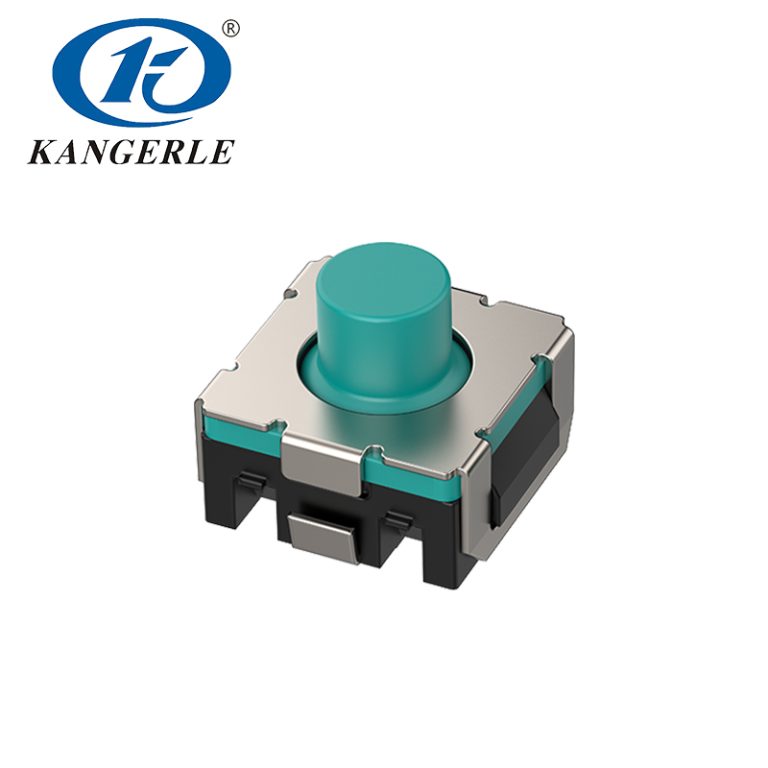
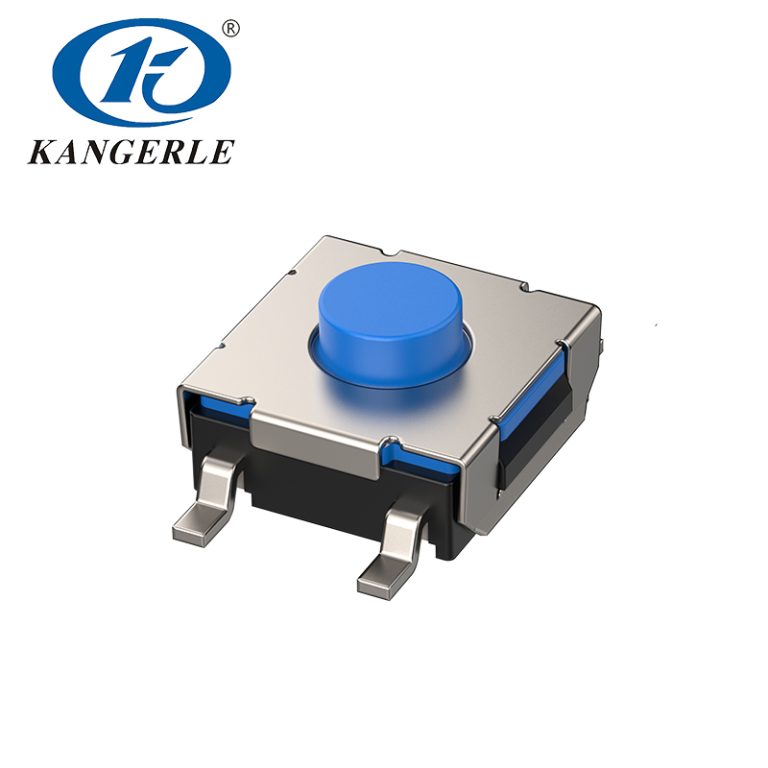
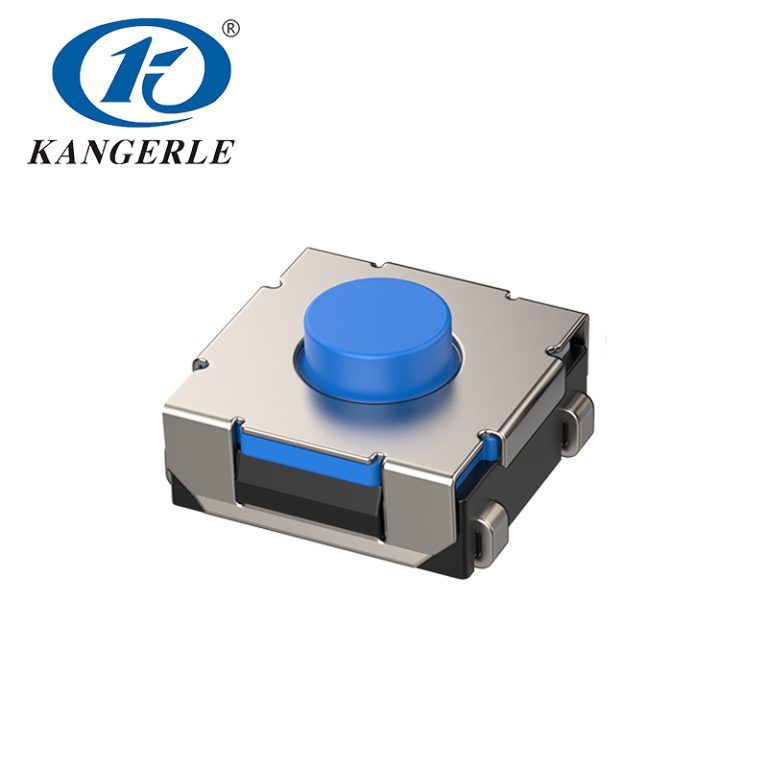
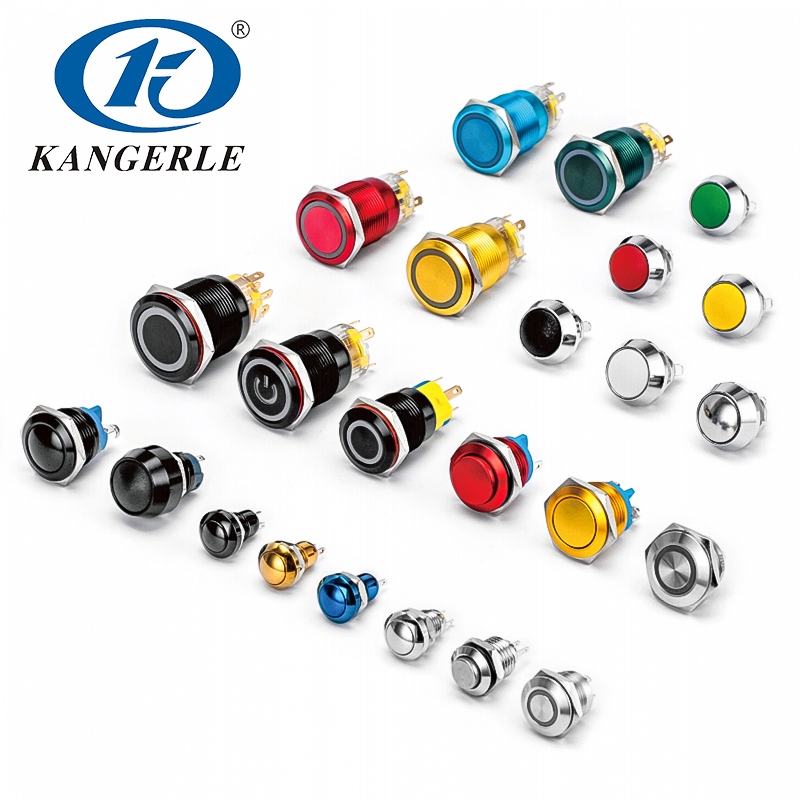
یک دکمه فشاری لحظهای سوئیچ یک جزء کنترلی کوچک است، اما اغلب تصمیم میگیرد که یک ماشین، دستگاه یا پنل چقدر ایمن و روان پاسخ دهد. از آن زمانی استفاده میشود که یک مدار فقط باید در حالی که شخصی دکمه را فشار میدهد، تغییر حالت دهد. پس از آزاد شدن فشار، سوئیچ به موقعیت عادی خود باز میگردد.
برای مهندسان، خریداران، سازندگان پنل و برندهای تجهیزات، انتخاب کلید فشاری لحظهای مناسب فقط به اندازه یا ظاهر مربوط نمیشود. نوع اتصال، قطر نصب، ولتاژ LED، سطح حفاظت، جنس، نیروی عملیاتی، طول عمر و محیط نصب، همگی بر تجربه نهایی کاربر تأثیر میگذارند.
سوئیچ فشاری لحظهای چیست؟
کلید فشاری لحظهای، یک کلید کنترلی است که فقط در حین عمل فشار دادن کار میکند. پس از فشرده شدن قفل نمیشود. هنگامی که اپراتور انگشت را برمیدارد، فنر داخلی، کلید را به موقعیت اصلی خود برمیگرداند و مدار به حالت عادی خود برمیگردد.
این با کلید فشاری قفل شونده متفاوت است. یک کلید قفل شونده پس از یک بار فشار دادن در حالت تغییر یافته خود باقی میماند و برای بازگشت به حالت اولیه به یک فشار دیگر نیاز دارد. یک کلید لحظهای برای فرمانهای کوتاه ساخته شده است.
مثالهای رایج عبارتند از:
- شروع چرخه ماشین
- ارسال سیگنال تنظیم مجدد
- فعال کردن زنگ درب
- حرکت سریع موتور برای یک حرکت کوتاه
- فعال کردن یک تابع آزمایشی
- دادن سیگنال کنترل موقت به PLC یا رله
در بسیاری از سیستمهای کنترل، این اقدام کوتاه مدت ایمنتر از یک فرمان مداوم است. اپراتور باید به طور فعال دکمه را فشار دهد تا سیگنال ادامه یابد.
سوئیچ فشاری لحظهای چگونه کار میکند؟
اصول کار ساده است، اما ساختار داخلی باید پایدار باشد. یک کلید فشاری لحظهای معمولی شامل یک محرک، فنر، کنتاکت متحرک، کنتاکت ثابت، ترمینالها و محفظه است. در مدلهای LED، یک منبع نور نیز در بدنه کلید تعبیه شده است.
اقدام مطبوعاتی و انتشار
وقتی دکمه فشرده میشود، محرک، کنتاکت متحرک را به سمت کنتاکت ثابت هل میدهد. این کار بسته به پیکربندی کنتاکت، مدار را میبندد یا باز میکند. وقتی دکمه رها میشود، فنر، محرک را به عقب هل میدهد.
برای یک سوئیچ معمولاً باز، مدار در حالت سکون باز است. فشار دادن دکمه، مدار را میبندد. برای یک سوئیچ معمولاً بسته، مدار در حالت سکون بسته است. فشار دادن دکمه، مدار را باز میکند.
| نوع تماس | حالت استراحت | حالت فشرده | کاربرد رایج |
|---|---|---|---|
| معمولاً باز است | مدار باز | مدار بسته شد | شروع، تنظیم مجدد، ورودی سیگنال |
| معمولاً بسته | مدار بسته شد | مدار باز | سیگنال توقف، حلقه ایمنی، ورودی هشدار |
| ۱NO ۱NC | یکی باز، یکی بسته | هر دو تغییر حالت میدهند | تابلوهای کنترل، مدارهای رله، ورودی PLC |
چرا بهار مهم است؟
فنر قطعهی کوچکی نیست. این قطعه حس بازگشت، واکنش دکمه و قابلیت اطمینان بلندمدت را کنترل میکند. یک فنر ضعیف ممکن است باعث تنظیم مجدد ضعیف شود. فنری که خیلی سفت باشد ممکن است در طول استفادهی مکرر احساس ناراحتی ایجاد کند. در پنلهای صنعتی، یک پاسخ لمسی تمیز به اپراتورها کمک میکند تا بدانند که یک دستور ارسال شده است.
سوئیچ فشاری لحظهای در مقابل سوئیچ فشاری لچینگ: تفاوت چیست؟
هر دو نوع از بیرون شبیه به هم به نظر میرسند، به خصوص در طراحی دکمههای فشاری فلزی. تفاوت اصلی در منطق عملکرد آنهاست.
یک کلید فشاری لحظهای پس از رها شدن، دوباره برمیگردد. یک کلید فشاری چفتشونده تا زمانی که دوباره فشرده شود، در موقعیت خود باقی میماند.
چه زمانی باید از سوئیچ لحظهای استفاده شود؟
یک سوئیچ لحظهای برای کاربردهایی مناسب است که در آنها دستگاه یا مدار نباید پس از رها کردن اپراتور فعال باقی بماند. به عنوان مثال، دکمهی حرکت سریع موتور روی یک ماشین ابزار باید محور را فقط در حالی که اپراتور آن را فشار میدهد، حرکت دهد. یک دکمهی ریست باید یک پالس کوتاه ارسال کند، نه یک سیگنال دائمی.
چه زمانی باید از سوئیچ قفل شونده استفاده کرد؟
یک کلید قفل شونده برای کنترل ساده روشن/خاموش مناسب است. به عنوان مثال، یک کلید لامپ یا دکمه کنترل برق ممکن است نیاز داشته باشد که پس از یک بار فشار دادن روشن بماند. این کلید زمانی مفید است که کاربر بخواهد مدار بدون نگه داشتن دکمه، حالت خود را حفظ کند.
| ویژگی | سوئیچ فشاری لحظهای | سوئیچ دکمه فشاری چفت شونده |
|---|---|---|
| وضعیت دکمه پس از رها کردن | به طور خودکار برمیگردد | تغییر میکند |
| بهترین برای | سیگنالهای کوتاه | کنترل روشن/خاموش مداوم |
| نمونههای معمول | شروع، تنظیم مجدد، دویدن، آزمایش | کنترل برق، روشنایی، حالت |
| رفتار ایمنی | نیاز به فشار دادن فعال دارد | پس از فشار دادن، حالت را نگه میدارد |
انواع اصلی کلیدهای فشاری لحظهای
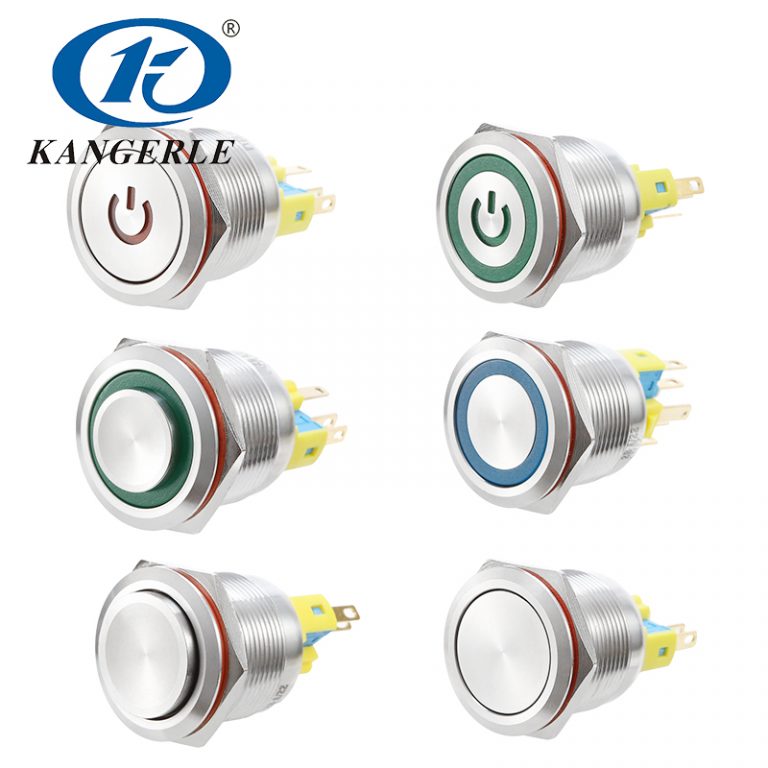
کلیدهای فشاری لحظهای در جنس، اندازه نصب، شکل سر، مدل LED و سطح حفاظت متفاوتی موجود هستند. برای خرید B2B، این جزئیات مهم هستند زیرا سوئیچ باید با پنل، مدار، محیط و طراحی محصول مطابقت داشته باشد.
سوئیچ دکمه فشاری لحظهای فلزی
یک کلید فشاری لحظهای فلزی از یک پوسته و سطح دکمه فلزی استفاده میکند. در مقایسه با بسیاری از کلیدهای دکمهای پلاستیکی، نسخههای فلزی ساختار محکمتر، مقاومت بهتر در برابر نیروی خارجی و ظاهر صنعتی تمیزتری را ارائه میدهند.
آنها اغلب در موارد زیر استفاده می شوند:
- تابلوهای کنترل اتوماسیون
- تجهیزات ماشین آلات
- سیستمهای کنترل دسترسی
- آسانسور و تجهیزات حمل و نقل
- کابینتهای برقی فضای باز
- دستگاههای شارژ
- جعبههای برق صنعتی
یک کلید فشاری فلزی ۲۲ میلیمتری یکی از رایجترین اندازههای نصب پنلی است. این کلید با بسیاری از جعبههای کنترل استاندارد و پنلهای دستگاه سازگار است. شرکت KANGERLE این محصول را ارائه میدهد. کلیدهای فشاری فلزی لحظهای ۲۲ میلیمتری با گزینههای LED، از جمله مدلهای تخت و چراغدار برای پنلهای کنترل که در آنها هم عملکرد و هم ظاهر مهم هستند.
کلید فشاری لحظهای با LED
یک کلید فشاری لحظهای LED، بازخورد بصری را اضافه میکند. LED میتواند وضعیت برق، وضعیت سیگنال، حالت کار، اعلان خطا یا موقعیت دکمه را نشان دهد. در یک کارگاه پر سر و صدا، تشخیص نشانه بصری اغلب آسانتر از صدا است.
رنگهای LED معمولاً بسته به سری محصول شامل گزینههای قرمز، سبز، آبی، زرد، سفید، نارنجی و رنگهای ترکیبی میشوند. انتخابهای ولتاژ ممکن است شامل گزینههای DC ولتاژ پایین و محدودههای AC/DC برای مدارهای کنترل مختلف باشد.
کاربردهای معمول عبارتند از:
- چراغ سبز برای وضعیت شروع یا آماده به کار
- چراغ LED قرمز برای هشدار یا نشانگر توقف
- چراغ LED آبی برای حالت آماده به کار یا حالت ویژه
- LED سفید برای پنلهای تجهیزات مدرن
- چراغ زرد برای اطلاع رسانی یا وضعیت فرآیند
سوئیچ دکمه فشاری لحظهای ضد آب
یک کلید فشاری لحظهای ضد آب زمانی استفاده میشود که پنل ممکن است در معرض پاشش آب، گرد و غبار، مه روغن، رطوبت یا هوای بیرون قرار گیرد. ماشینآلات مورد استفاده در مناطق شستشو، سیستمهای حمل و نقل، تجهیزات دریایی، کابینتهای فضای باز و دستگاههای دسترسی عمومی اغلب به حفاظت بالاتری نیاز دارند.
برای کاربردهای فضای باز یا در شرایط سخت، سطح حفاظت باید با دقت بررسی شود. کلیدهای فشاری فلزی با درجه حفاظت IP67 برای بسیاری از جعبههای کنترل که در آنها آببندی مورد نیاز است، مناسب هستند. نتیجه نصب واقعی همچنین به برش صحیح پنل، قرارگیری واشر، سفت کردن مهره و آببندی کابل بستگی دارد.
مشخصات کلیدی که قبل از خرید باید بررسی کنید
یک کلید فشاری لحظهای ممکن است ساده به نظر برسد، اما چندین مشخصه تعیین میکنند که آیا میتواند در دستگاه نهایی با خیال راحت کار کند یا خیر.
قطر نصب
قطر نصب باید با سوراخ پنل مطابقت داشته باشد. اندازههای رایج کلیدهای فشاری فلزی شامل ۱۲ میلیمتر، ۱۶ میلیمتر، ۱۹ میلیمتر، ۲۲ میلیمتر، ۲۵ میلیمتر و ۳۰ میلیمتر است. کلید فشاری ۲۲ میلیمتری به طور گسترده در پنلهای صنعتی استفاده میشود زیرا سطح عملیاتی کافی را فراهم میکند و در عین حال در فضا صرفهجویی میکند.
بار دارای امتیاز
بار نامی، محدوده ولتاژ و جریانی را که سوئیچ میتواند تحمل کند، نشان میدهد. برای مدارهای کنترل، جریان اغلب کم است. برای سوئیچینگ مستقیم، جریان ممکن است بیشتر باشد. اگر بار فراتر از ظرفیت نامی سوئیچ باشد، ممکن است ساییدگی کنتاکت، گرم شدن یا خرابی زودتر اتفاق بیفتد.
پیکربندی تماس
گزینههای رایج شامل ۱NO، ۱NC و ۱NO 1NC است. برای سیگنالهای شروع، ۱NO رایج است. برای منطق توقف یا ایمنی، ممکن است از کنتاکتهای NC استفاده شود. در سیستمهای کنترل پیچیدهتر، یک سوئیچ ممکن است برای ارسال سیگنال به مدارهای مختلف به هر دو کنتاکت NO و NC نیاز داشته باشد.
ولتاژ و رنگ LED
ولتاژ LED باید با طراحی مدار مطابقت داشته باشد. ولتاژ اشتباه LED ممکن است باعث عدم نور، نور ضعیف یا آسیب به LED شود. رنگ LED نیز باید با منطق کنترل تجهیزات مطابقت داشته باشد. بسیاری از کارخانهها از عادات رنگی سادهای پیروی میکنند: سبز برای شروع یا حالت عادی، قرمز برای هشدار یا توقف، زرد برای اطلاع.
سطح حفاظت
برای جعبههای کنترل داخلی خشک، یک سطح حفاظت اولیه ممکن است کافی باشد. برای کابینتهای فضای باز یا مناطق کاری مرطوب، گزینههای IP65 یا IP67 انتخابهای ایمنتری هستند. کلیدهای فشاری فلزی با حلقههای آببندی و سطوح مقاوم در برابر خوردگی اغلب برای این محیطها انتخاب میشوند.
عمر الکتریکی و مکانیکی
عمر الکتریکی به تعداد چرخههای سوئیچینگی که کنتاکتها میتوانند تحت بار نامی تحمل کنند اشاره دارد. عمر مکانیکی به مدت زمانی که مکانیزم دکمه میتواند بدون بار الکتریکی حرکت کند و برگردد اشاره دارد. دستگاهی که روزانه استفاده میشود ممکن است به عمر مفید بسیار طولانیتری نسبت به دستگاهی که فقط چند بار در هفته فشار داده میشود، نیاز داشته باشد.
کلیدهای فشاری لحظهای کجا استفاده میشوند؟
دکمههای فشاری لحظهای رایج هستند زیرا بسیاری از دستگاهها به دستورات کوتاه انسانی نیاز دارند. همان نوع سوئیچ اساسی میتواند در ابزارهای کوچک، ماشینهای بزرگ و سیستمهای عمومی ظاهر شود.
تابلوهای اتوماسیون صنعتی
در سیستمهای اتوماسیون، از کلیدهای لحظهای برای شروع، تنظیم مجدد، اندازهگیری، آزمایش و کنترل دستی استفاده میشود. یک دکمه فشاری فلزی LED سر تخت میتواند به خوبی روی کابینت کنترل که اپراتورها به وضعیت بصری واضح و سطح دکمه بادوام نیاز دارند، قرار گیرد.
برای مثال، یک دستگاه بستهبندی ممکن است از یک دکمه فشاری لحظهای سبز برای شروع چرخه و یک دکمه آبی برای حالت تست دستی استفاده کند. PLC یک سیگنال ورودی کوتاه دریافت میکند و سپس عمل برنامهریزی شده را اجرا میکند.
دستگاههای کنترل دسترسی و امنیتی
دکمههای فشاری لحظهای در دکمههای خروج، سیستمهای باز کردن در، کنترلهای دروازه و پنلهای هشدار استفاده میشوند. یک سوئیچ فلزی ضد آب در نزدیکی ورودیهای ساختمان، سیستمهای پارکینگ یا نقاط دسترسی در فضای باز مفید است.
در این موارد، حس لامسه و دوام سطح اهمیت دارد. این کلید ممکن است صدها بار در روز توسط کاربران مختلف فشار داده شود.
تجهیزات خودرو و حمل و نقل
وسایل نقلیه، ایستگاههای شارژ و واحدهای کنترل حمل و نقل ممکن است از دکمههای لحظهای برای دستورات سیگنال، کنترلهای کمکی، کنترل روشنایی یا عملکردهای تنظیم مجدد استفاده کنند. محفظههای فلزی و نشانگرهای LED به ایجاد یک رابط کاربری واضح و پایدار کمک میکنند.
لوازم خانگی و تجهیزات هوشمند
برخی از لوازم خانگی از کلیدهای لحظهای برای دستورات کوتاه مانند تنظیم مجدد، انتخاب حالت یا ورودی بیدارباش استفاده میکنند. در تجهیزات هوشمند مدرن، این کلید ممکن است مستقیماً کل دستگاه را روشن نکند. در عوض، سیگنالی را به برد کنترل ارسال میکند.
چگونه یک کلید فشاری لحظهای را سیمکشی کنیم؟
سیمکشی به نوع اتصال، ساختار LED و طراحی مدار بستگی دارد. همیشه از برگه اطلاعات محصول و قوانین ایمنی تجهیزات پیروی کنید.
برای یک دکمه فشاری ساده در حالت عادی باز، سوئیچ به صورت سری با ورودی کنترل قرار میگیرد. وقتی فشرده میشود، مدار بسته میشود و سیگنال را ارسال میکند. برای یک دکمه فشاری در حالت عادی بسته، مدار تا زمانی که دکمه فشرده شود، بسته است.
نقاط سیمکشی پایه
قبل از نصب، این موارد را بررسی کنید:
- نوع تماس را تأیید کنید: NO، NC یا ترکیب NO/NC
- ولتاژ LED را با منبع تغذیه مطابقت دهید
- شناسایی ترمینالهای مثبت و منفی LED برای مدارهای DC
- از اندازه سیم و روش اتصال ترمینال صحیح استفاده کنید
- در صورت امکان، سیمکشی کنترل را از تداخل قوی دور نگه دارید
- مهره نصب را بدون آسیب رساندن به واشر محکم کنید
- قبل از بستن جعبه کنترل، دکمه را امتحان کنید
برای مدلهای LED، کنتاکتهای سوئیچ و ترمینالهای LED ممکن است جداگانه باشند. این بدان معناست که عملکرد دکمه و عملکرد چراغ میتوانند به روشهای مختلفی سیمکشی شوند. به عنوان مثال، LED ممکن است در صورت وجود برق روشن بماند، یا ممکن است فقط پس از فشار دادن دکمه روشن شود.
چگونه کلید فشاری لحظهای مناسب را انتخاب کنیم؟
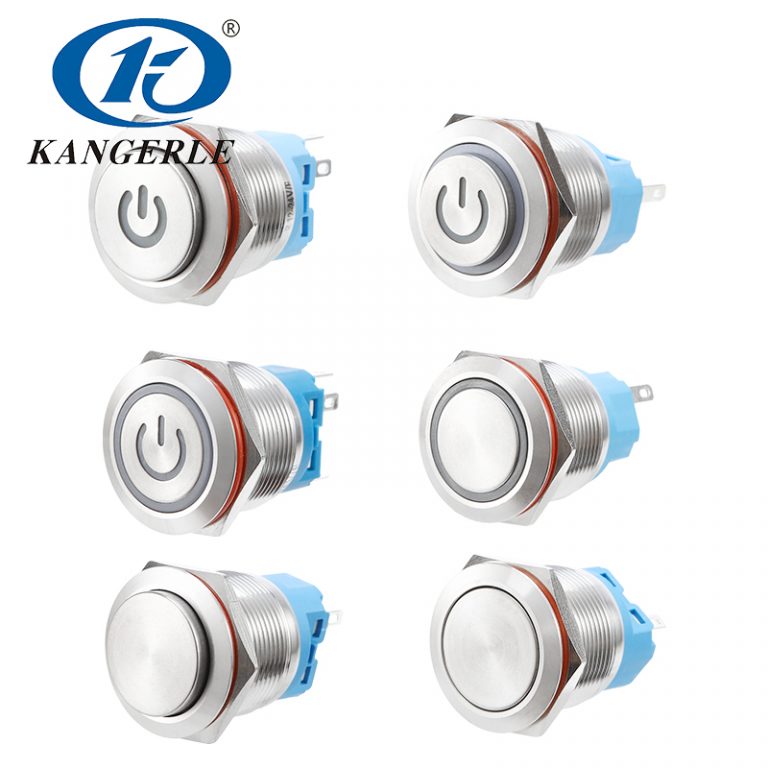
انتخاب خوب با صحنهی کاری واقعی شروع میشود. کلیدی که در داخل یک پنل ابزار خشک استفاده میشود، نیازی به طراحی مشابه دکمهای که در جعبه کنترل فضای باز استفاده میشود، ندارد.
چک لیست انتخاب
قبل از تأیید یک مدل، از این چک لیست استفاده کنید:
- اندازه سوراخ پنل چقدر است؟
- آیا محیط کار خشک، پر گرد و غبار، مرطوب یا در فضای باز است؟
- آیا دکمه باید نشانگر LED داشته باشد؟
- کدام رنگ و ولتاژ LED مورد نیاز است؟
- آیا تابع مورد نیاز NO، NC یا 1NO 1NC است؟
- آیا تجهیزات به طراحی LED سر تخت، سر بالا یا حلقهای نیاز دارند؟
- این سوئیچ چه جریان و ولتاژی را منتقل خواهد کرد؟
- آیا از سوئیچ برای عملیات مکرر روزانه استفاده میشود؟
- آیا گواهینامههایی مانند CE، RoHS، UL یا CQC مورد نیاز است؟
- آیا سفارشیسازی OEM یا ODM برای محصول نهایی مورد نیاز است؟
انتخاب بر اساس کاربرد
برای تجهیزات صنعتی، دوام، عملکرد واضح و عملکرد تماس پایدار معمولاً در اولویت قرار دارند. برای دستگاههای عمومی، ظاهر، مقاومت در برابر خرابکاری، آببندی و بازخورد LED ممکن است مهمتر باشند. برای محصولات صادراتی، صدور گواهینامه و کیفیت دستهای ثابت باید در اوایل فرآیند تهیه بررسی شود.
شرکت ژجیانگ کانگرله الکترونیکس (ZHEJIANG KANGERLE ELECTRONICS CO. LTD) به عنوان تأمینکننده سوئیچ
شرکت الکترونیک ژجیانگ کانگرله با مسئولیت محدود یک تولیدکننده و تأمینکننده سوئیچ مستقر در ونژو، ژجیانگ است. این شرکت از اوایل دهه 1990 در زمینه قطعات الکترونیکی فعالیت داشته و خطوط تولید آن شامل میکروسوئیچها، سوئیچهای آشکارساز، سوئیچهای محدودکننده، سوئیچهای راکر، سوئیچهای کشویی، سوئیچهای تاکتیکی و سوئیچهای فشاری است.
محصولات سوئیچ آن در لوازم خانگی، تجهیزات امنیتی، دستگاههای ویدیویی، محصولات ارتباطی، خودروها، رایانهها و سیستمهای کنترل صنعتی استفاده میشوند. این شرکت دارای تیمهای مهندسی، فنی، تولید و مدیریت است که از تولید پایدار و توسعه محصول پشتیبانی میکنند.
کنترل کیفیت بخش مهمی از تامین سوئیچ است. شرکت KANGERLE دارای گواهینامههای سیستم مدیریت کیفیت ISO9001:2015 و IATF16949 است و محصولات آن شامل گواهینامههایی مانند CB، CE، CQC، TUV، UL و RoHS میشود. این شرکت با ظرفیت تولید ماهانه در مقیاس بزرگ و خدمات OEM/ODM، میتواند از خریدارانی که به مدلهای استاندارد سوئیچ، ساختارهای سفارشی، پروژههای برچسب خصوصی یا قطعات الکتریکی با کاربرد خاص نیاز دارند، پشتیبانی کند.
نتیجهگیری
یک کلید فشاری لحظهای برای کنترل موقت استفاده میشود.این کلید هنگام فشار دادن، یک سیگنال الکتریکی کوتاه میدهد و پس از رها کردن، سیگنال را برمیگرداند. این عملکرد ساده، آن را برای شروع، تنظیم مجدد، راهاندازی مجدد، تست، کنترل دسترسی و بسیاری از عملکردهای فرمان صنعتی مفید میکند.
سوئیچ مناسب باید با مدار، اندازه پنل، محیط عملیاتی، نیاز به LED، نوع کنتاکت و طول عمر مورد انتظار مطابقت داشته باشد. برای پنلهای کنترل و محصولات تجهیزاتی، کلیدهای فشاری لحظهای فلزی ۲۲ میلیمتری با LED انتخابهای کاربردی هستند زیرا ساختار بادوام، نشانگر واضح و ظاهر حرفهای پنل را با هم ترکیب میکنند. نسخههای ضد آب برای محیطهای بیرونی یا خشن که آببندی اهمیت دارد، بهتر هستند.
سوالات متداول
سوئیچ فشاری لحظهای برای چه مواردی استفاده میشود؟
یک کلید فشاری لحظهای برای دستورات کنترلی کوتاه مانند شروع چرخه ماشین، تنظیم مجدد دستگاه، روشن کردن موتور، به صدا درآوردن زنگ در یا ارسال سیگنال به برد کنترل استفاده میشود.
تفاوت بین کلید فشاری لحظهای و کلید فشاری قفلشونده چیست؟
یک کلید فشاری لحظهای پس از رها شدن به حالت عادی خود برمیگردد. یک کلید فشاری چفت شونده تا زمانی که دوباره فشرده نشود، در حالت تغییر یافته خود باقی میماند.
آیا یک کلید فشاری لحظهای میتواند چراغ LED داشته باشد؟
بله. بسیاری از کلیدهای فشاری لحظهای دارای نشانگر LED هستند. این LED میتواند روشن بودن دستگاه، وضعیت کار، هشدار، حالت آماده به کار یا بازخورد سیگنال را نشان دهد.