

Picking the correct type of switch for your projects matters a lot. You need to know the choices out there. Detection switches, micro switches, and tact switches each have their own roles. They fit different uses. If you work in factory automation, home gadgets, or control setups, the right switch can boost how well your devices run and how dependable they are.
This piece will look at the contrasts, benefits, and uses of detection switches, micro switches, and tact switches. Once you grasp the main traits and how they perform, you can pick wisely. You will choose the top switch for what you need.
What are Detection Switches?
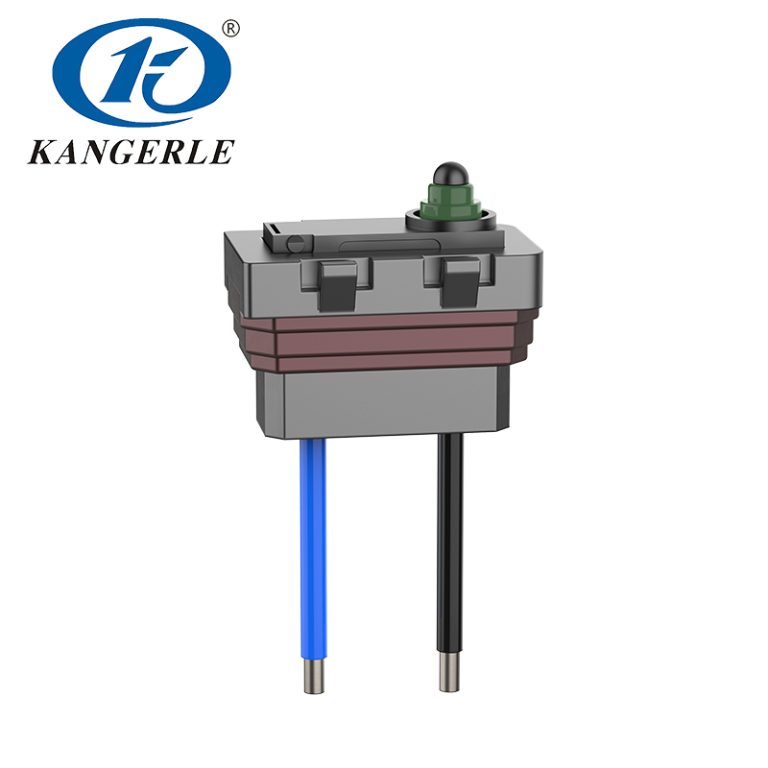
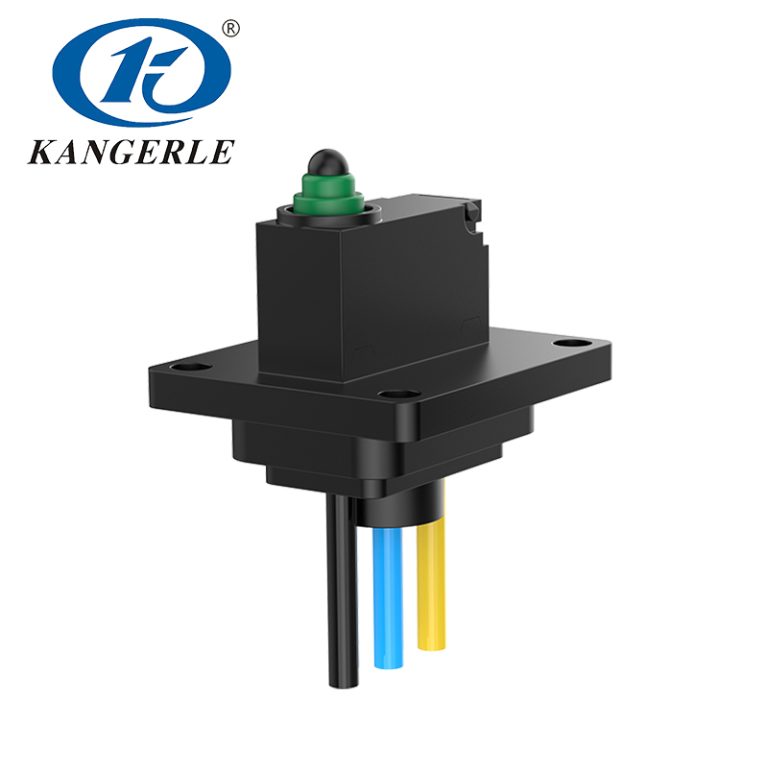
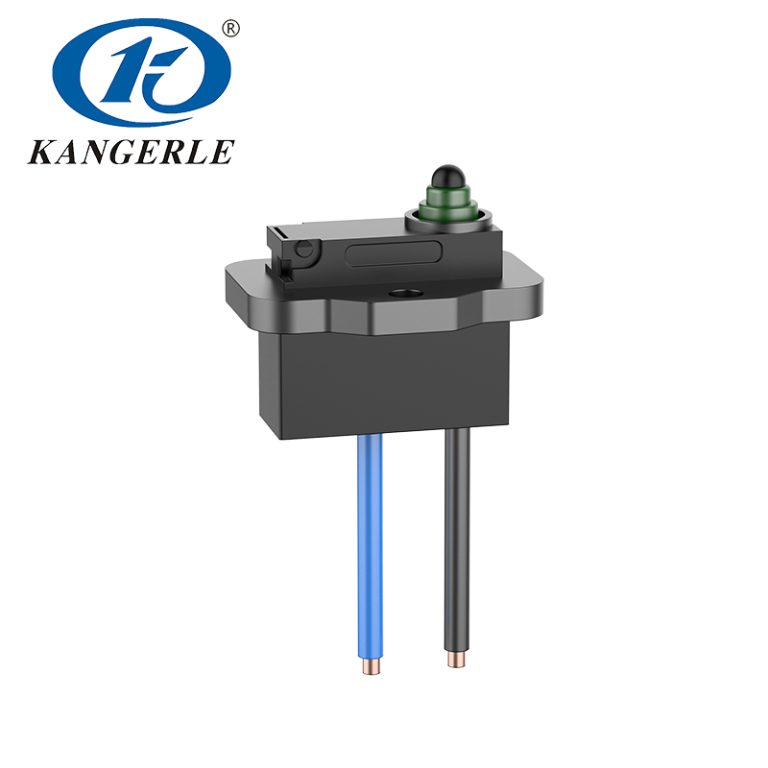
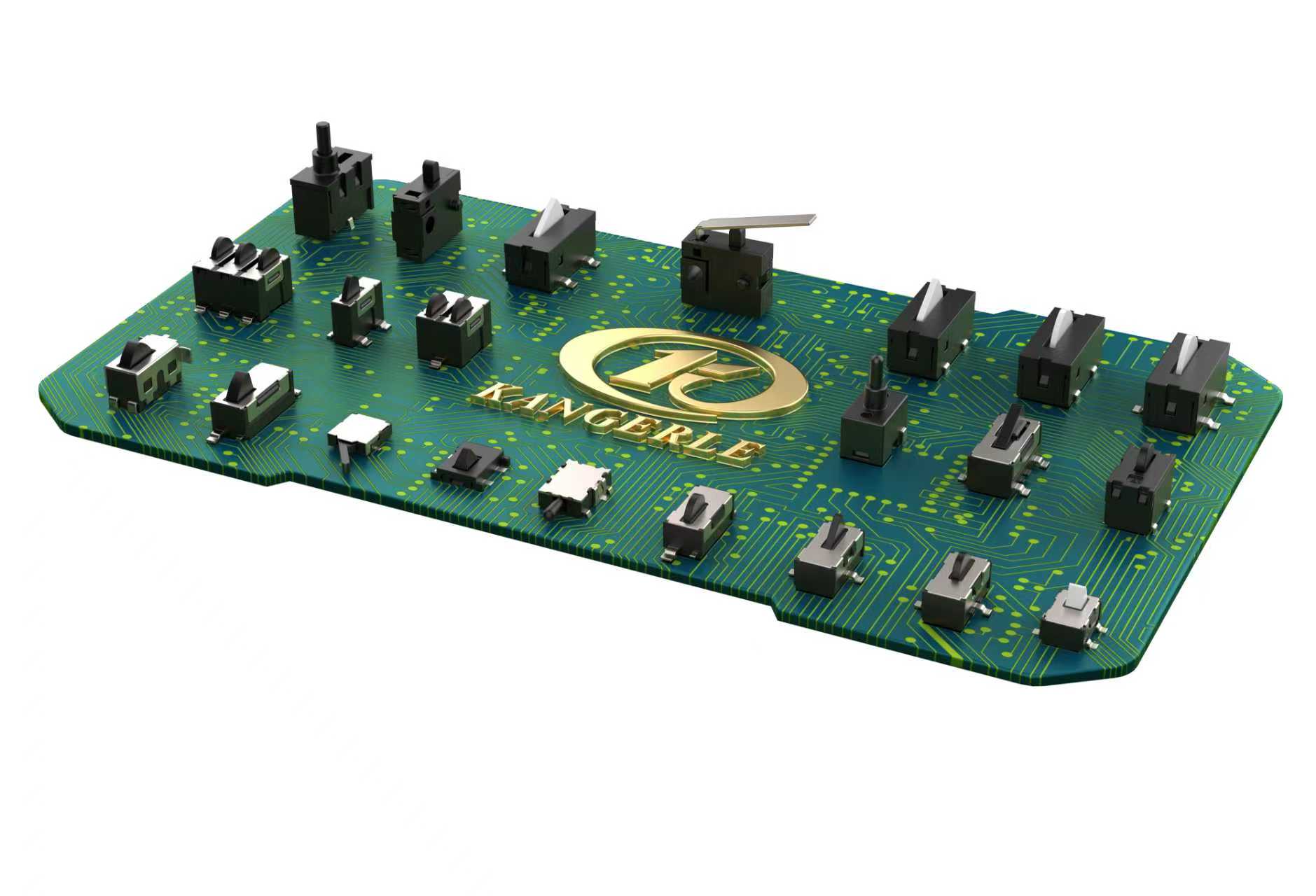
Detection switches are special tools that spot certain situations or happenings. For instance, they notice if an object is there or not. They also pick up shifts in place or surroundings. People often use these in spots where exact spotting and quick reaction count. The rated current and voltage of the detection switch are DC 30V and 0.1A. The operating force is approximately 30–80 gf, offering high sensitivity to light actuation forces. Most detection switches feature a normally open (NO) configuration, while a smaller proportion utilize a normally closed (NC) configuration.
Take Kangerle’s KFC-V-105 Series detection switches, for example. They suit careful work in factory automation. These can catch even tiny shifts in the surroundings. Then, they set off an output based on set rules. Detection switches play a key role in setups that need exact input and live watching. Such setups include robots, assembly lines, and auto machines.
Features of Detection Switches:
- High Precision: These switches give strong sensitivity and exactness. Thus, they work well for spotting small shifts.
- Durability: Builders make them tough for hard settings. So, they stay reliable over time.
- Customizability: They come in many setups. This lets them match exact work needs.
Applications:
- Factory automation systems
- Robots and conveyor systems
- Security and monitoring systems
Micro Switches: Compact and Reliable
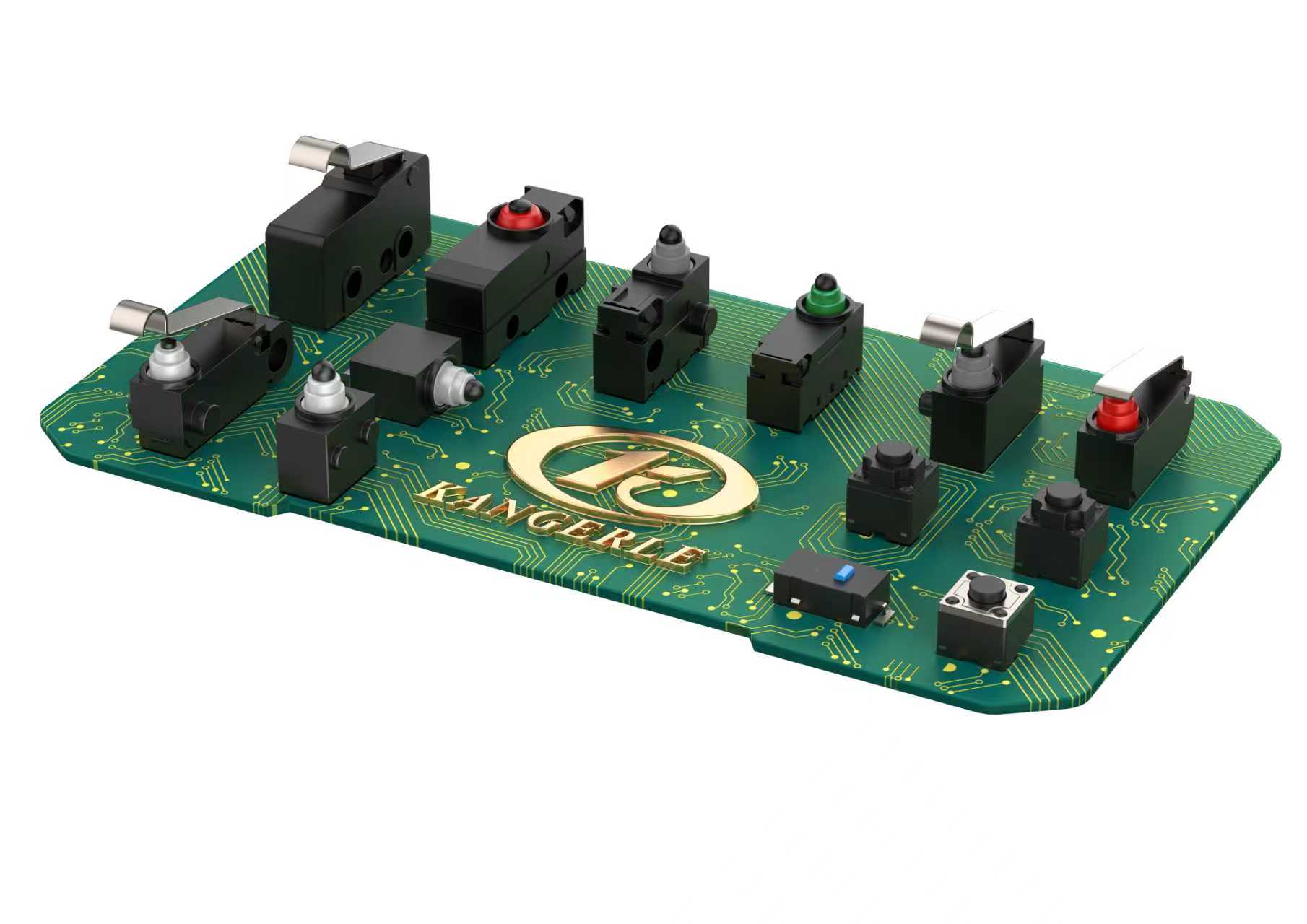 Micro switches go by the name snap-action switches too. They are small, steady, and flexible. Folks use them in many spots. They work with little push and often fit jobs that need exact triggering and low power use.
The KW3 6A/6C series micro switches from Kangerle show good quality. They have fine sealing and toughness. You often see them in safety gear, home gadgets, and control boards. Their tiny build and solid work make them popular.
Features of Micro Switches:
- Small Size: These switches are tiny. They squeeze into tight spots. So, they suit jobs with little room.
- Fast Actuation: They switch quick and steady. Plus, they need little motion. This gives fast replies.
- Versatile Applications: They fit many fields. These include car parts, home tools, and factory controls.
Applications:
- Household appliances (e.g., microwave ovens, refrigerators)
- Automotive safety systems (e.g., seatbelt detection, door sensors)
- Industrial control panels and machinery
Tact Switches: A Light Touch for User Interfaces
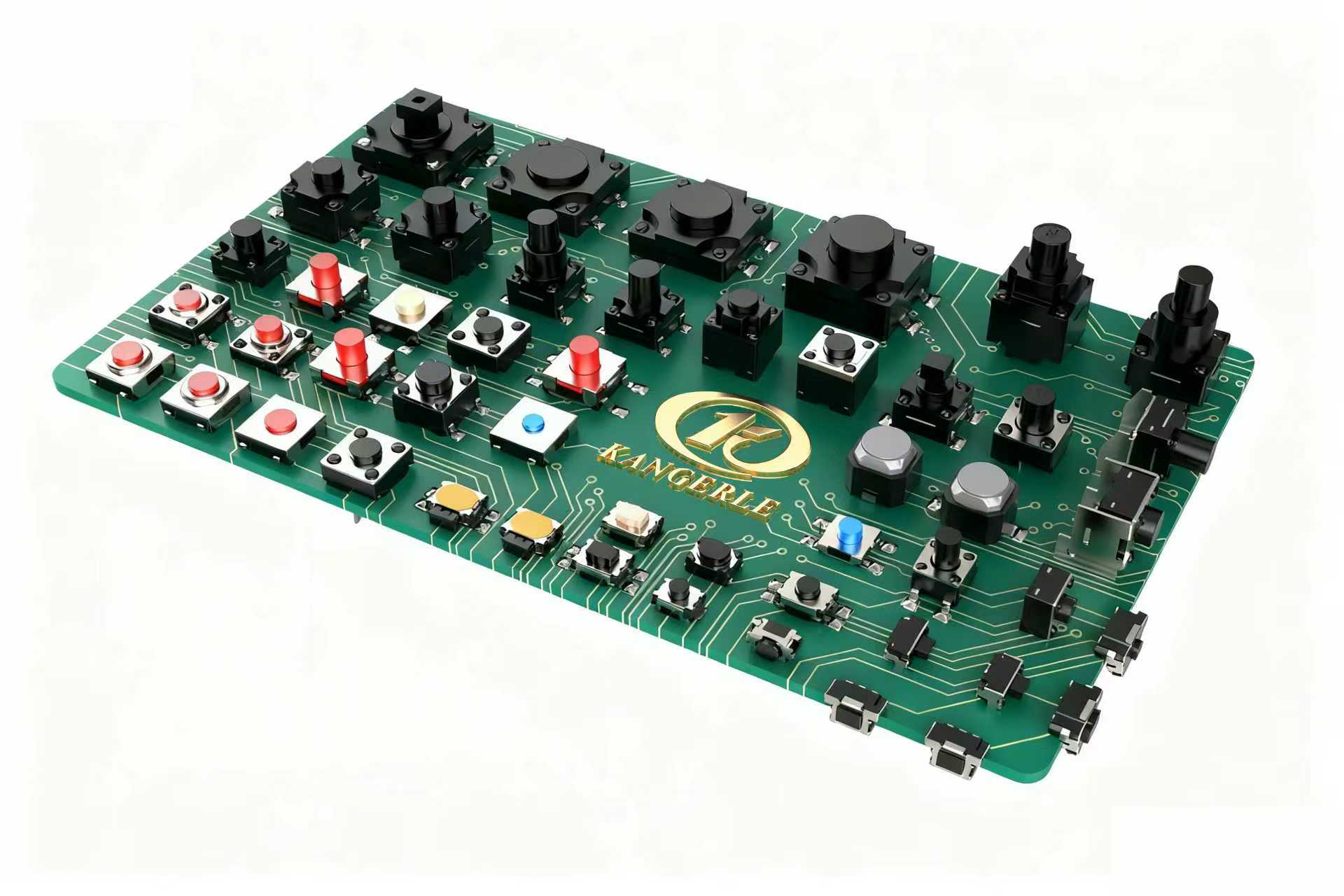
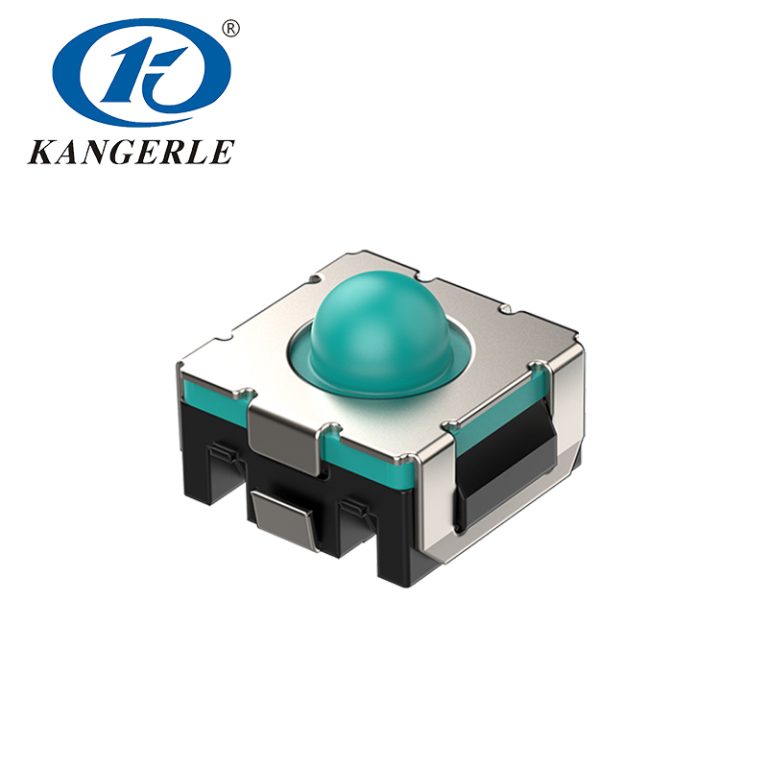
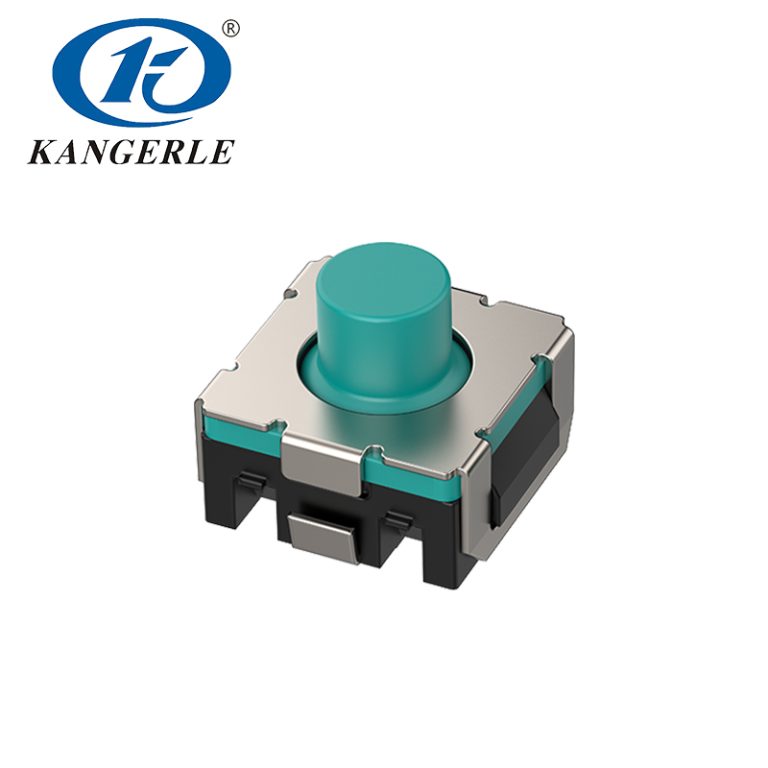
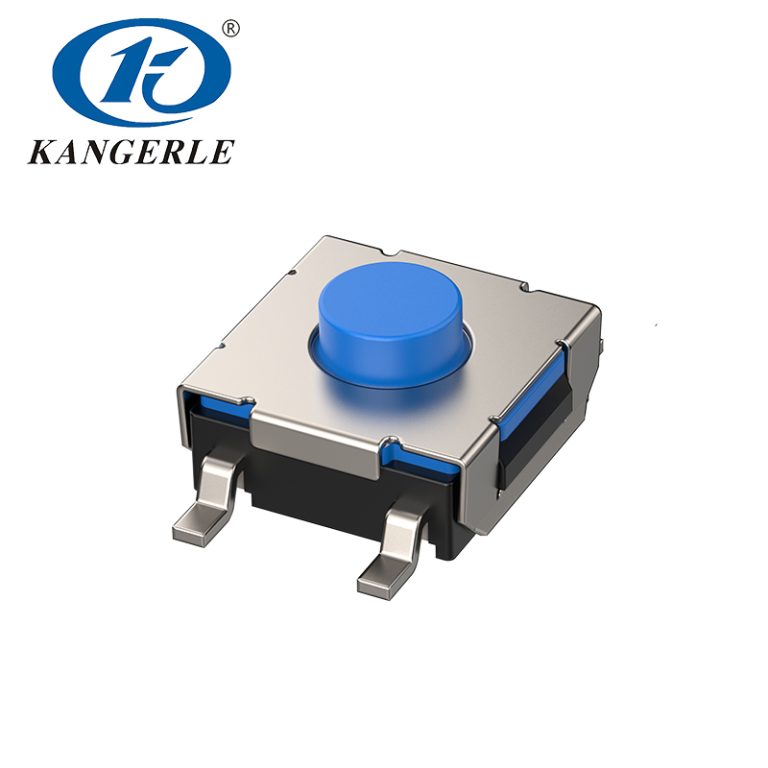
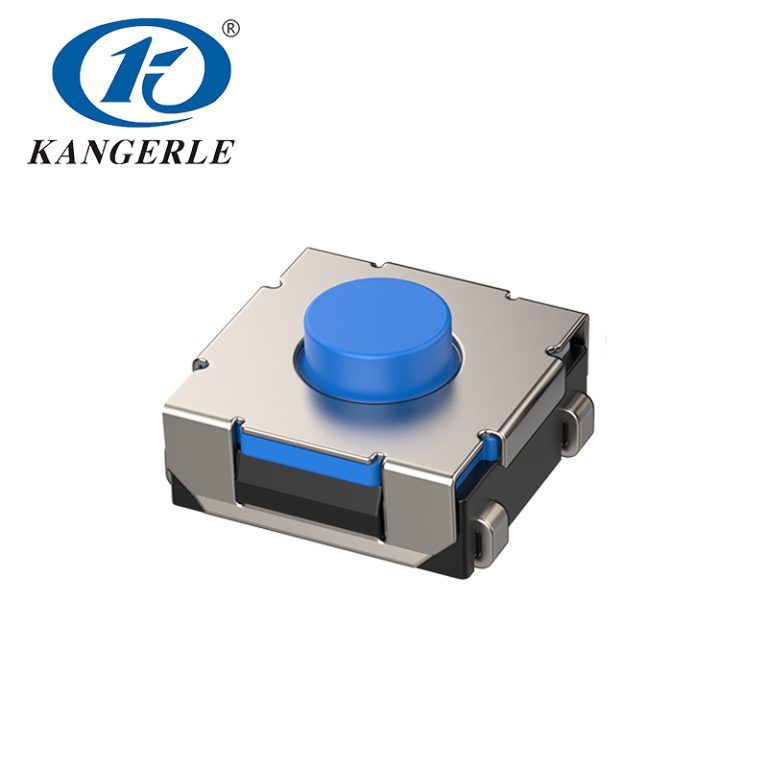
Tactile switches, or tact switches, show up a lot in user setups. There, folks need to feel a reply when they push a button or turn on a switch. These usually handle short touches. They give users a sense through a light bump or snap when turned on. The rated current and voltage of a tactile switch are 50 mA and 12 V DC, respectively, with an actuation force typically ranging from 160 to 250 gf; for automotive applications, this force generally falls between 300 and 500 gf. Additionally, tactile switches are available in illuminated and waterproof variants.
Kangerle’s 6×6 U-type tact switches make a fine sample. They offer exact, steady work in a small shape. You find them in home gadgets, key sets, and hand-held tools. A friendly user setup is key there.
Features of Tact Switches:
- Tactile Feedback: These switches give a clear snap or bump on press. Thus, users get a feel during use.
- Compact and Efficient: They stay small yet work well. Also, you can add them easily to many tools.
- User-Friendly: They suit tools with lots of user touches. Examples are keyboards, remotes, and portable gear.
Applications:
- Keyboards and keypads
- Remote control devices
- Consumer electronics (e.g., smartphones, smartwatches)
Key Differences Between Detection, Micro, and Tact Switches
Detection switches, micro switches, and tact switches look alike at first. But each has clear traits that fit certain jobs. Let us check the three on main points.
1. Sensitivity and Precision
Detection switches stand out in feeling and exactness. People use them for careful watch of surroundings. Micro switches focus on steady triggering with little push. So, they work for safety and control jobs. Tact switches feel less but give touch reply for user setups. This makes them good for home gadgets.
2. Size and Space Considerations
Micro switches are small. They fit in cramped areas. Detection switches run bigger because of their spotting skills. Tact switches keep small and work well too. They suit user setup jobs.
3. Durability and Longevity
Builders make detection switches tough, above all in factory spots. Micro switches hold up in many conditions. Tact switches last well but fit lighter daily use in home tools better.
4. Feedback Mechanism
Designers make tact switches to give touch reply to users. This choice suits keyboards and control boards. Detection and micro switches skip touch reply. Instead, they spot or start set actions.
Choosing the Right Switch for Your Application
Picking the proper switch relies on your exact wants and job. Here are some basic tips.
When to Choose Detection Switches:
- For jobs that need strong feeling and exactness.
- They fit factory automation, robots, and security setups. There, spotting tiny shifts matters a lot.
- Use them when toughness and steady work over time count.
When to Choose Micro Switches:
- For small jobs where room is tight.
- Pick them when quick triggering and steady switching matter.
- They suit safety gear, control boards, and home tools well.
When to Choose Tact Switches:
- For user tools where touch reply is needed.
- They work great for key sets, remotes, and home gadgets.
- Choose them when simple use and fast start are key.
ZHEJIANG KANGERLE ELECTRONICS CO., LTD: Your Trusted Switch Supplier
Zhejiang Kangerle Electronics Co., Ltd leads in supplying micro switches, detection switches, and tact switches. They offer many solid, dependable items. With years in the field, Kangerle earned a name for top items. These meet high marks for work and toughness.
If you build a factory automation setup or make home gadgets, Kangerle has what you need. Their lineup covers KFC-V-105 series detection switches, KW3 6A/6C micro switches, and 6×6 U-type tact switches. All aim for best work in tough spots.
By picking Kangerle, you team up with a steady maker. They focus on new ideas and happy customers. Check their site for more on items and fixes. Reach out to talk about how Kangerle can help your next job.
Conclusion
To wrap up, detection switches, micro switches, and tact switches each bring special pluses. These make them fit certain jobs. When you know their traits, benefits, and spots to use, you can pick the right one. If you build factory systems, home gadgets, or control boards, the correct switch ensures top work and steadiness.
For solid switches made to your needs, Zhejiang Kangerle Electronics Co., Ltd offers steady, tough, and exact fixes. These meet calls from many fields. Look at their items and find the right switch for your next job.
Frequently Asked Questions (FAQs)
What is the primary function of a detection switch?
A detection switch spots shifts in surroundings, like if an object is there or gone. Folks use these in factory automation and robots for exact control and input.
How do micro switches differ from tact switches?
Micro switches stay small and give quick triggering with little motion. They suit safety setups and control boards. Tact switches offer touch reply on press. You see them in key sets and home gadgets.
Can tact switches be used in industrial applications?
Tact switches mainly go in home gadgets and user setups. But they can fit factory jobs with lots of user touches and reply. Still, for harder factory spots, detection and micro switches may work better.
How long do micro switches last?
Designers build micro switches to handle millions of uses. This makes them tough for home tools and control boards. How long they last ties to the spot and how often you use them.
Which type of switch is best for my project?
The top switch for your job hinges on things like exactness, room limits, reply needs, and toughness. Detection switches fit high-exact jobs. Micro switches work for tight spaces. Tact switches suit user setups with touch reply.