
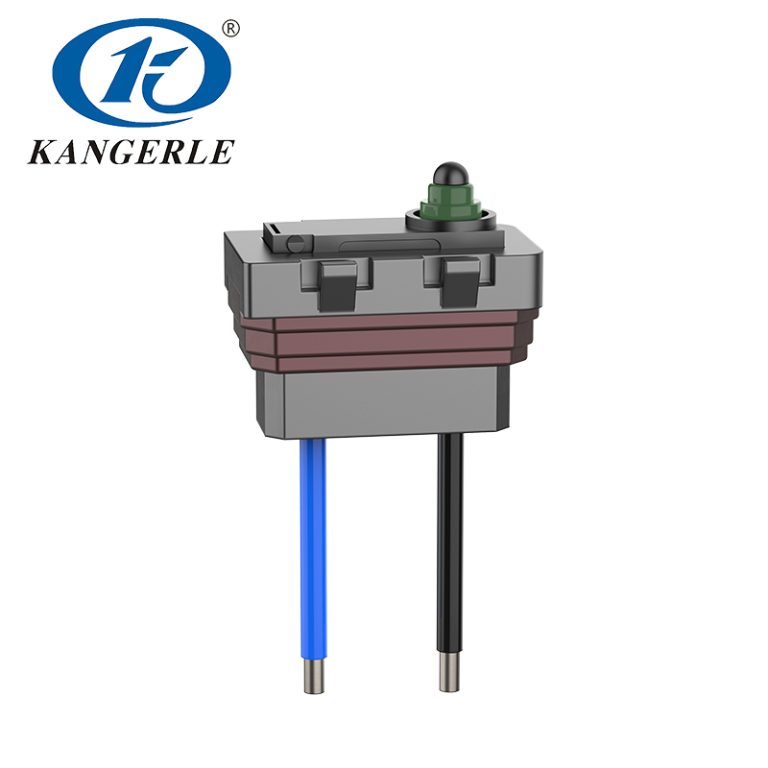
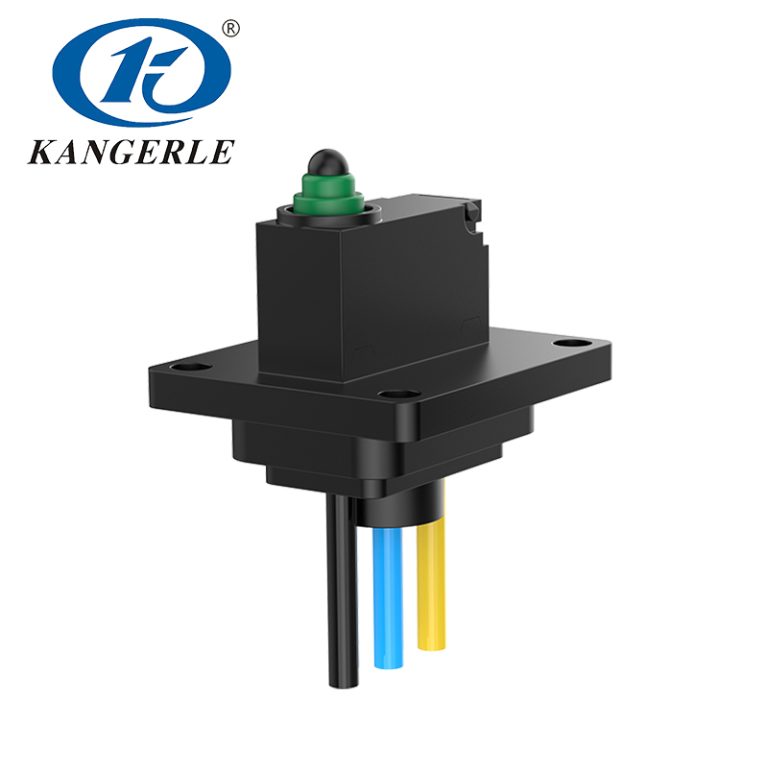
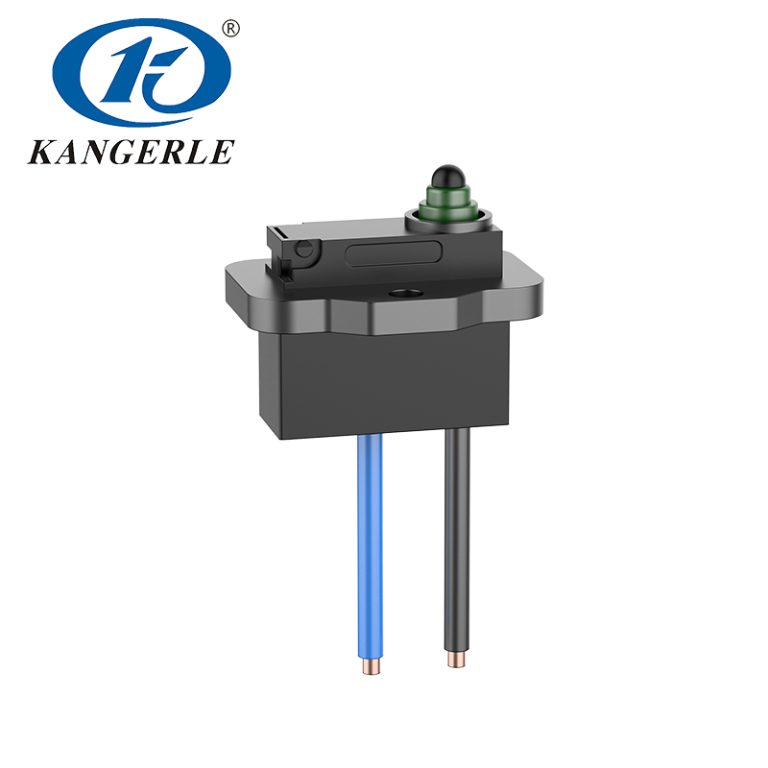

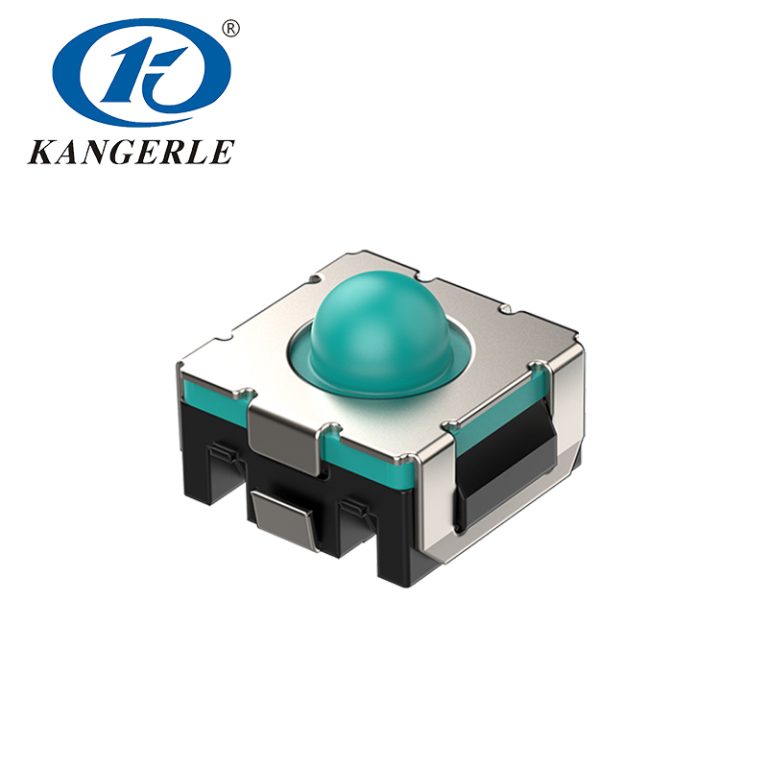
Mikro anahtarlar Mikro anahtarlar, birçok elektronik cihazın temel parçalarıdır. Ayrıca farklı sistemlere de entegre olurlar. Bu sistemler, ev aletlerinden endüstriyel ekipmanlara kadar uzanır. Bu küçük anahtarlar çok önemlidir. Belirli işlerin gerektirdiği dokunma hissini sağlarlar. Bu da görevlerini oldukça gerekli kılar. Bir mikro anahtar seçerken akla gelen en önemli şey, su geçirmez mi yoksa su geçirmez olmayan bir tür mü seçeceğinizdir. Bu seçim, büyük ölçüde anahtarın çalışacağı yere bağlıdır. Bu makalede, su geçirmez ve su geçirmez olmayan mikro anahtarlar arasındaki farklara bakacağız. Karar vermenize yardımcı olacak noktalardan bahsedeceğiz. Ayrıca her türün en iyi kullanım alanlarını da göstereceğiz.
Bu, her seferinde doğru olanı seçmenize yardımcı olur. Birçok kişi cihaz yaparken veya tamir ederken bu seçimle karşı karşıya kalır.
Mikro anahtar nedir?
Mikro anahtarın bir diğer adı da ani tepki veren anahtardır. Çok küçük bir anahtardır. Fiziksel koşullardaki değişiklikleri algılamak için tasarlanmıştır. Bu değişiklikler basınç veya konum olabilir. Dış kuvvetler bu anahtarları açar. Elektrik devrelerini tetiklerler. Bu, belirli bir kuvvet uygulandığında gerçekleşir. Yaygın kullanım alanları arasında kapı sensörleri bulunur. Otomotiv uygulamalarında da yer alırlar. Çeşitli ev aletlerinde de kullanılırlar. Bu anahtarlar hızlı tepki süreleriyle bilinir. İyi bir güvenilirliğe sahiptirler. Zorlu ortamlarda dayanıklılık gösterirler.
Gerektiğinde hızlı tepki verirler. Bu güvenilirlik, onlara güvenebileceğiniz anlamına gelir. Dayanıklılıkları mükemmeldir çünkü zorlu koşullarda bile çalışmaya devam ederler. Günlük hayatta onları fark etmeden göreceksiniz.
Mikro anahtarlarda su yalıtımının önemi
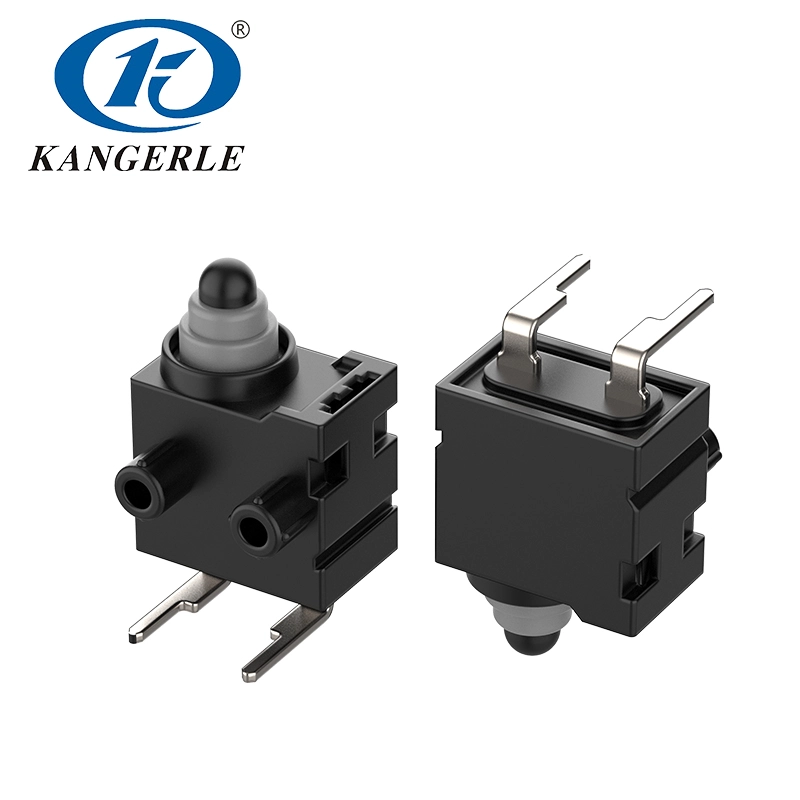
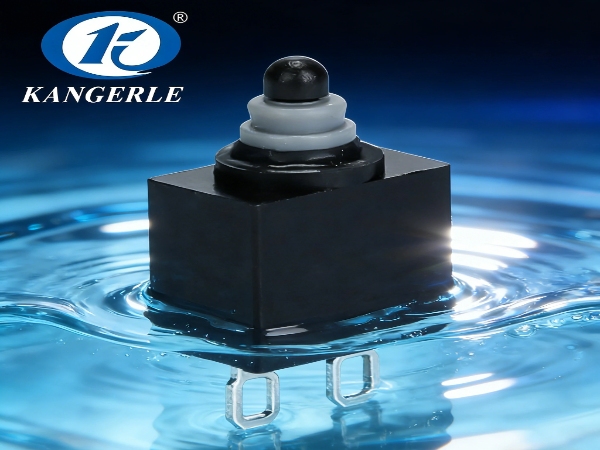
Su geçirmez mikro anahtarlar özeldir. Suyun içeri girmesini engellerler. İyi örnekler şunlardır: KW1 Ve KW7 serisi Zhejiang Kangerle Electronics tarafından üretilen bu ürünler, dış mekan kullanımı için tasarlanmıştır. Otomotiv sektöründeki ihtiyaçlarda da iyi performans gösterirler. Ayrıca endüstriyel uygulamalar için de uygundurlar. Bu alanlarda nem büyük bir sorun olabilir. Bu anahtarlar IP67 derecesine sahiptir. Bu, suya daldırmaya karşı tam koruma sağlar. Ayrıca toz parçacıklarına karşı da koruma sağlarlar.
Bu koruma gerçek hayatta faydalıdır. Her şeyin güvenli ve sorunsuz çalışmasını sağlar. Ani arızalar konusunda endişelenmenize gerek kalmaz.
Su Geçirmez Mikro Anahtarların Başlıca Özellikleri
Su geçirmez mikro anahtarların birçok güçlü yönü vardır.
- IP Derecelendirmesi: Genellikle IP67 derecesine sahiptirler. Bu, toza karşı tamamen dayanıklı oldukları anlamına gelir. Belirli bir derinliğe kadar kısa süreliğine su altında güvenle kalabilirler.
- Dayanıklılık: Güçlü malzemeler kullanırlar. Bu malzemeler paslanmaya ve aşınmaya karşı dayanıklıdır. Dış etkenlere karşı çok iyi direnç gösterirler.
- Özel Kullanım Alanları: Çamaşır makinelerinde bulunurlar. Dış mekan aydınlatmasında da kullanılırlar. Otomotiv parçaları da bunlara ihtiyaç duyar. Aksi takdirde nem veya toz büyük sorunlara yol açabilir.
Bu özellikler onları diğerlerinden ayırıyor. Zorlu işlere yılmadan hazırlar.
Su Geçirmez Olmayan Mikro Anahtarların Savunması
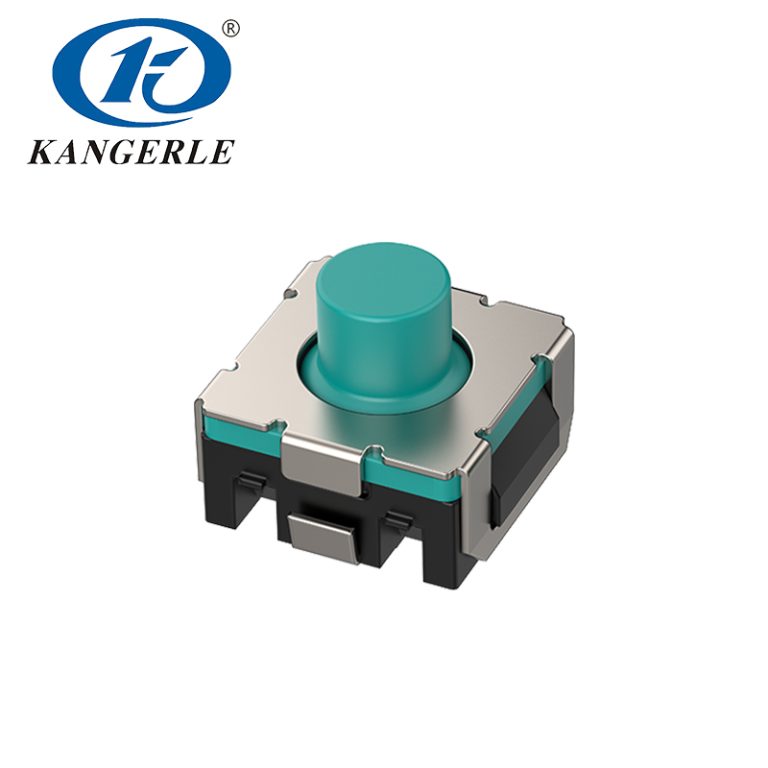
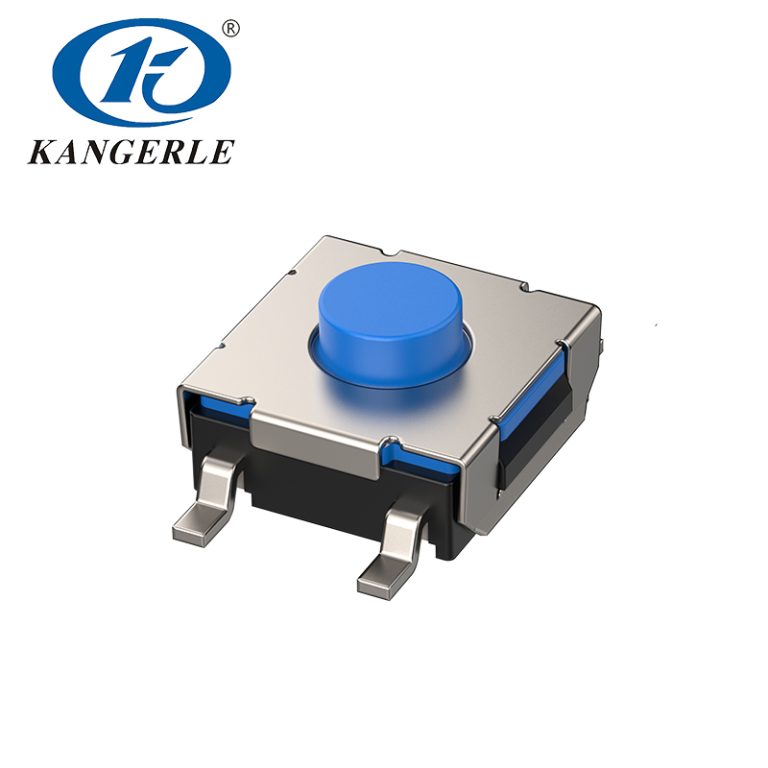
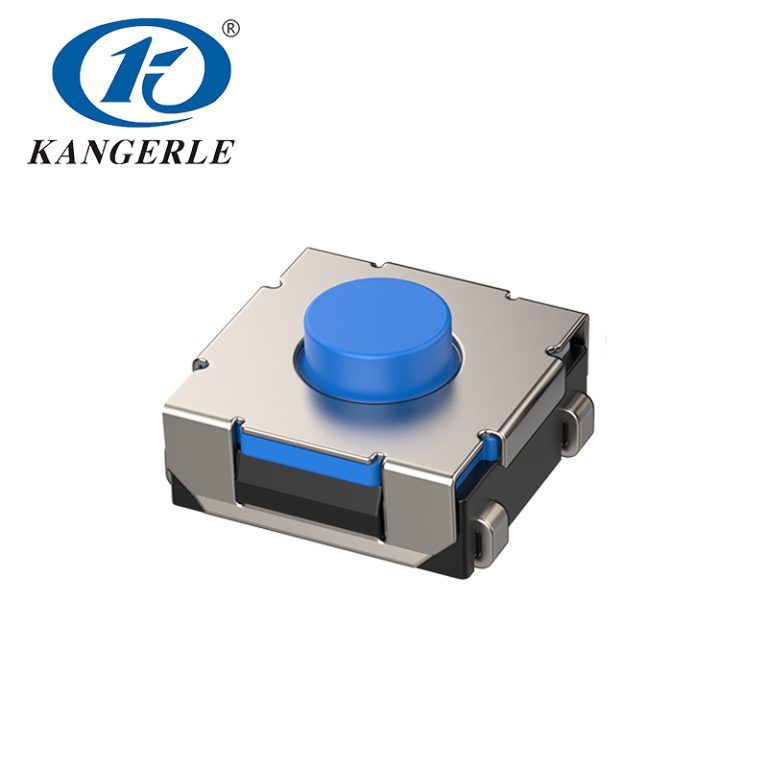
Su geçirmez olmayan mikro anahtarlar bazı yönlerden farklıdır. Çoğu durumda daha ucuzdurlar. İç mekan uygulamaları için en uygundurlar. Bu alanlarda su veya yüksek nem sorun teşkil etmez. Mikrodalga fırın gibi cihazlarda sıklıkla kullanılırlar. Kahve makinelerinde de sıkça bulunurlar. Kuru kalan elektronik cihazlarda da mevcutturlar.
Koşullar güvenli olduğunda sorunsuz çalışırlar. Bu da onları basit kurulumlar için akıllı bir seçim haline getirir.
Su Geçirmez Olmayan Mikro Anahtarların Başlıca Özellikleri
Su geçirmez olmayan mikro anahtarların da kendilerine özgü avantajları vardır.
- Maliyet Etkinliği: Ekstra su geçirmez parçaları yoktur. Bu nedenle satın almaları daha ucuzdur.
- Kuru Ortamlar İçin Uygundur: En iyi performansı kuru yerlerde gösterirler. Su girişi hiç sorun teşkil etmez.
- Basit Tasarım: Bu anahtarlar daha az karmaşık parçaya sahiptir. Bu da cihazlarda kurulumu kolaylaştırır.
Bu şekilde para tasarrufu yapabilirsiniz. Herhangi bir ek sorun yaratmadan normal ev kullanımına uygundurlar.
Su Geçirmez ve Su Geçirmez Olmayan Mikro Anahtarlar Arasında Seçim Yapmak
Karar verirken birkaç şeyi göz önünde bulundurmanız gerekiyor. İki tür arasındaki seçim başarı için çok önemlidir.
Çevresel Faktörler
Eğer anahtar ıslak veya nemli koşullara maruz kalacaksa, su geçirmez olanları tercih edin. Dış mekanlarda da su geçirmez anahtarlar gereklidir. WS1 ve KW1 serisi gibi IP67 dereceli anahtarlar mükemmel koruma sağlar. Suya ve toza karşı iyi koruma sağlarlar. Bu, zorlu ortamlarda iyi performans sağlar. Ancak kullanımınız güvenli ve kuru bir alanda ise, su geçirmez olmayan anahtarlar da işinizi görür. Ayrıca daha ucuzdurlar.
Çevre burada çok şey belirler. Nereye yerleştirileceğini dikkatlice düşünün. Bu adım, gelecekteki sorunları önler.
Dayanıklılık ve Kullanım Ömrü
Su geçirmez mikro anahtarlar diğerlerinden daha uzun ömürlüdür. Hava koşullarına dayanacak şekilde üretilmişlerdir. Nem, toz ve sıcaklık değişimleri onları etkilemez. Su geçirmez olmayanlar da kendi yöntemleriyle dayanıklıdır. Ancak nemle temas ederlerse daha hızlı aşınabilirler. Su geçirmez tipler endüstriyel veya otomotiv alanlarında çok önemlidir. Uzun ömür ve istikrarlı çalışma bu alanlarda büyük önem taşır.
Bu ekstra kullanım ömrü, ileride zamandan ve paradan tasarruf etmenizi sağlar. Cihazınız uzun yıllar boyunca kesintisiz çalışır.
Uygulamaya Özgü İhtiyaçlar
Şimdi de anahtarın tam olarak hangi görevi üstleneceğine bakalım.
- Otomotiv kullanımı için: Su geçirmez mikro anahtarlar gereklidir. Yağmur ve yol koşulları onları sık sık etkiler.
- Ev aletleri için: Nem riski yoksa, su geçirmez olmayan bir anahtar yeterlidir.
- Dış mekan ekipmanları için: Su geçirmez olanlar çalışmaya devam eder. Bu, şarj istasyonları veya robot süpürgeler için de geçerlidir.
Her durum kendine özgüdür. En iyi sonuçlar için anahtarı işe uygun şekilde seçin.
Şimdi, birçok insanın zorlu koşullarda neden su geçirmez seçenekleri tercih ettiğini görmenin zamanı geldi.
Suya dayanıklı mikro anahtarları neden tercih etmelisiniz?
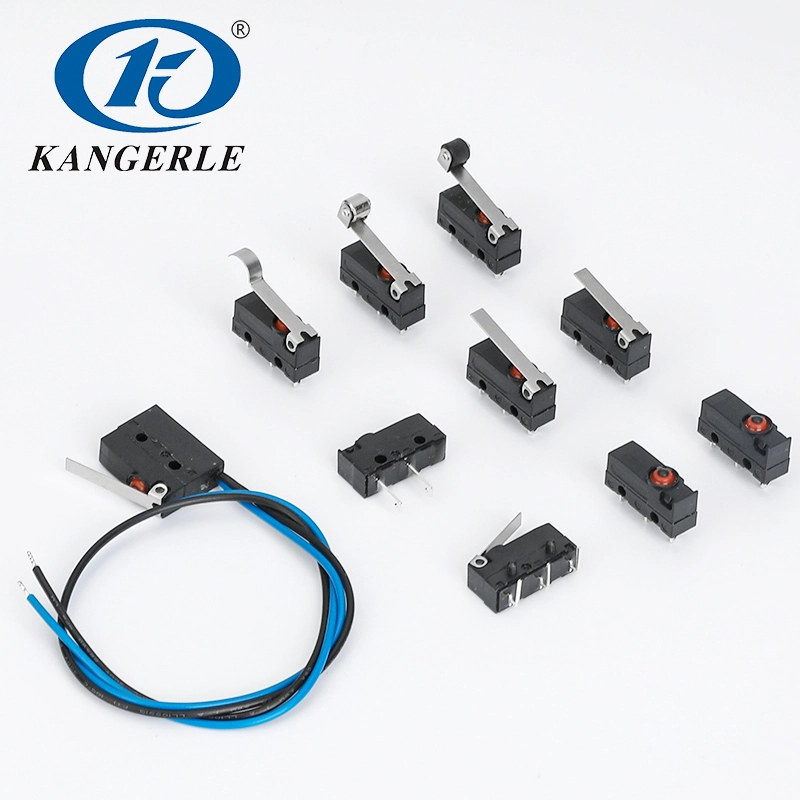
Su geçirmez anahtarlar bazı durumlarda hayati önem taşır. Ortam koşullarını kontrol edemezsiniz. Bu tür durumlarda gelişmiş sızdırmazlık malzemeleri kullanılır. Bu malzemeler su ve tozun içeri girmesini engeller. Bu sayede anahtarın ömrü uzar.
Su geçirmez mikro anahtarların bazı yaygın kullanım alanları aşağıda listelenmiştir.
- Dış Mekan Ekipmanları: Örneğin güneş panelleri. Bunlar yağmur ve hava koşullarına maruz kalır. Bahçe aletleri kir ve suyla uğraşır. Robotik elektrikli süpürgeler de ıslanabilir.
- Otomotiv Uygulamaları: Araç kapı kilitleri için gereklidir. Ön cam silecekleri daha iyi çalışır. Farlar kötü hava koşullarında güvenli kalır.
- Endüstriyel Makineler: Yıkama işlemlerine karşı koruma sağlarlar. Toz tamamen engellenir. Zorlu koşulların üstesinden kusursuz bir şekilde gelirler.
Bu kullanım alanları, onların gerçek değerini gösteriyor. Her gün işlerin sorunsuz yürümesini sağlıyorlar. Birçok şirket güvenlik için onlara güveniyor.
Marka Tanıtımı: ZHEJIANG KANGERLE ELECTRONICS CO. LTD.
Zhejiang Kangerle Elektronik Şirketi Ltd. Bu anahtarların önde gelen üreticilerinden biridir. Hem su geçirmez hem de su geçirmez olmayan mikro anahtarlar üretmektedirler. Ürünleri birçok sektörde popülerdir. Bunlar arasında ev aletleri de yer almaktadır. Otomotiv de önemli bir sektördür. Güvenlik ve endüstriyel ekipmanlarda da sıklıkla kullanılmaktadırlar. Şirket 1993 yılında kurulmuştur ve her zaman yüksek kaliteli anahtarlara odaklanmıştır. Bu anahtarlar güvenilirdir ve dünya standartlarına uygundur. Örnek olarak UL, TUV, CE ve RoHS sertifikaları verilebilir. Ürün yelpazelerinde IP67 su geçirmez anahtarlar bulunmaktadır. KW1, KW7 ve WS1 serileri bunun iyi örnekleridir. Zorlu ortamlarda üstün dayanıklılık için üretilmişlerdir.
Birçok insan bu markaya güveniyor. Uzun bir süredir başarılı işler yapıyor. Anahtarları cihazların ömrünü uzatmaya yardımcı oluyor.
Çözüm
Özetle, su geçirmez ve su geçirmez olmayan mikro anahtarlar arasındaki seçim, özel ihtiyaçlarınıza bağlıdır. Su veya toz olasılığı olan durumlarda su geçirmez olanlar hayati önem taşır. Su geçirmez olmayanlar ise güvenli ve kuru yerlerde ucuz bir seçenek sunar. Her zaman önce çevreyi düşünün. Ardından gerekli dayanıklılığı göz önünde bulundurun. İş ihtiyaçlarını da dikkate alın. Bu şekilde, anahtarınızdan en iyi performansı alırsınız.
Sıkça Sorulan Sorular
İşte bu anahtarlarla ilgili sıkça sorulan bazı sorular. Bunları basit bir dille yanıtlıyoruz.
IP67 ile diğer IP derecelendirmeleri arasındaki fark nedir?
IP67 derecesi, anahtarların tamamen toz geçirmez olduğu anlamına gelir. 1 metre derinliğe kadar suda 30 dakika boyunca kalabilirler. Bu da onları dış mekanlar ve zorlu yerler için mükemmel kılar.
Su geçirmez olmayan anahtarlar daha mı az dayanıklıdır?
Su geçirmez olmayan anahtarlar da oldukça sağlamdır. Ancak kuru ortamlarda daha iyi performans gösterirler. Nemli ortamlarda daha çabuk bozulabilirler.
Hangi sektörler su geçirmez mikro anahtarlara ihtiyaç duyar?
Otomotiv, endüstriyel makineler ve dış mekan ekipmanları genellikle bunlara ihtiyaç duyar. Bu alanlarda zorlu koşullar yaygındır.
Bir mikro anahtarın su geçirmez olup olmadığını nasıl anlarım?
Teknik özelliklerde IP derecesini kontrol edin. IP67, toz ve suya karşı koruma seviyesini gösterir.