

Handheld medical diagnostic tools have changed how doctors and nurses do their jobs each day. Picture portable ultrasound devices or blood sugar testers. These gadgets must be simple to handle, strong, and accurate. Tact switches come into play here. They help a lot in making these tools feel good to hold and run smoothly.
In this piece, we look at the role of tact switches in the design of handheld medical diagnostic tools. You will learn why they count for user ease, tool strength, and general work. If you design, build, or just wonder about medical gear, this shows how tiny bits create big effects.
Understanding Tact Switches
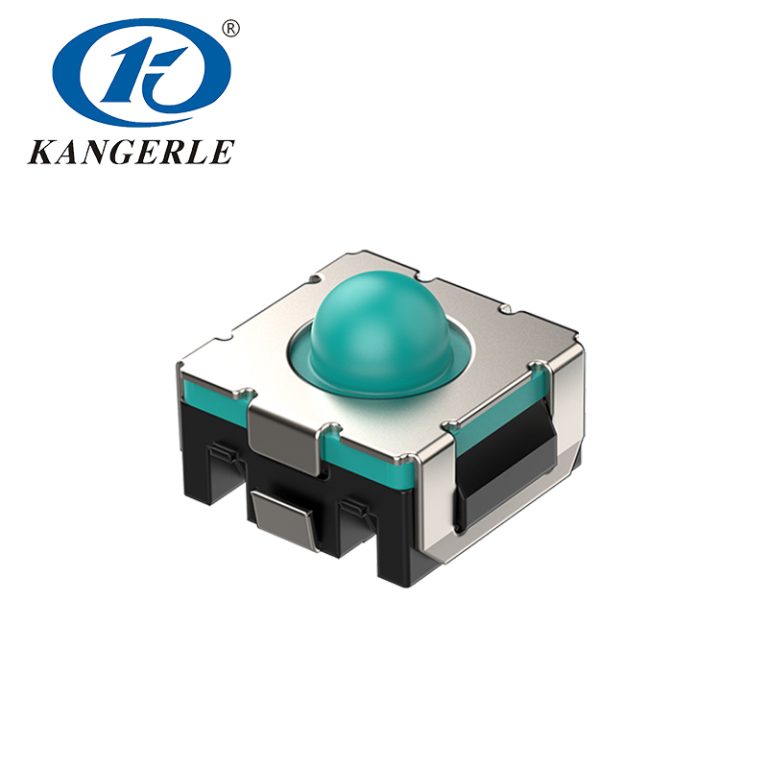
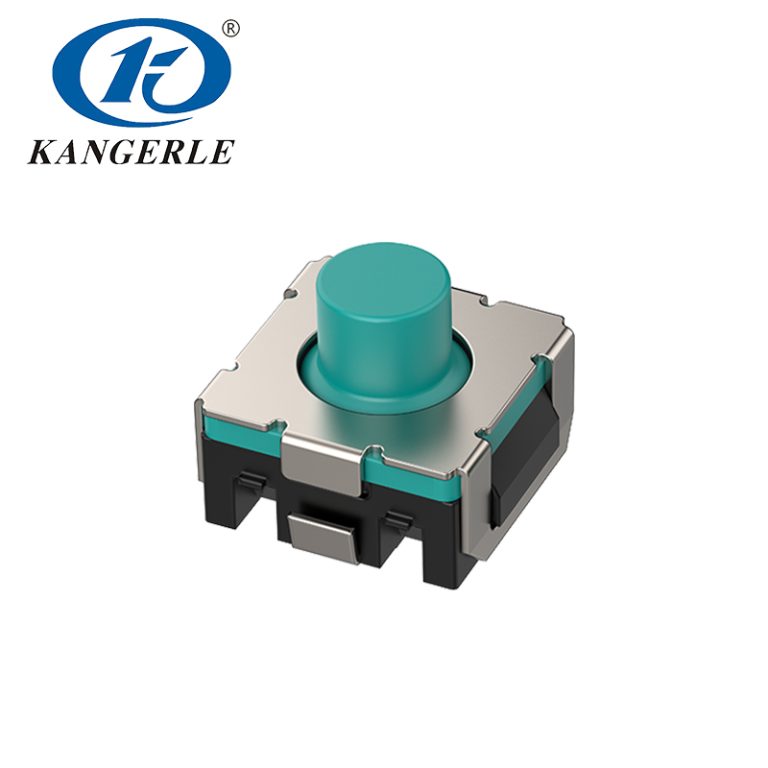
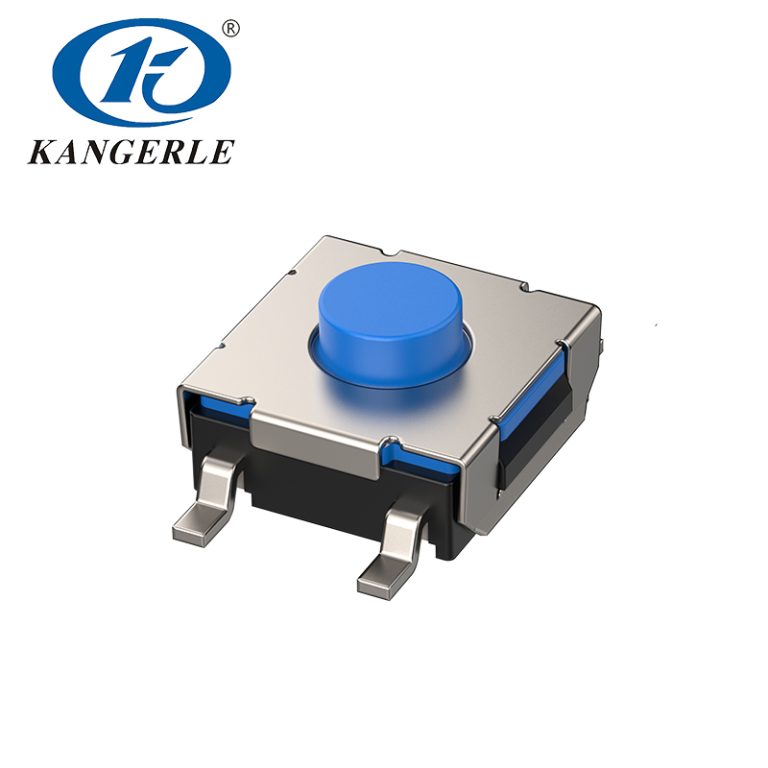
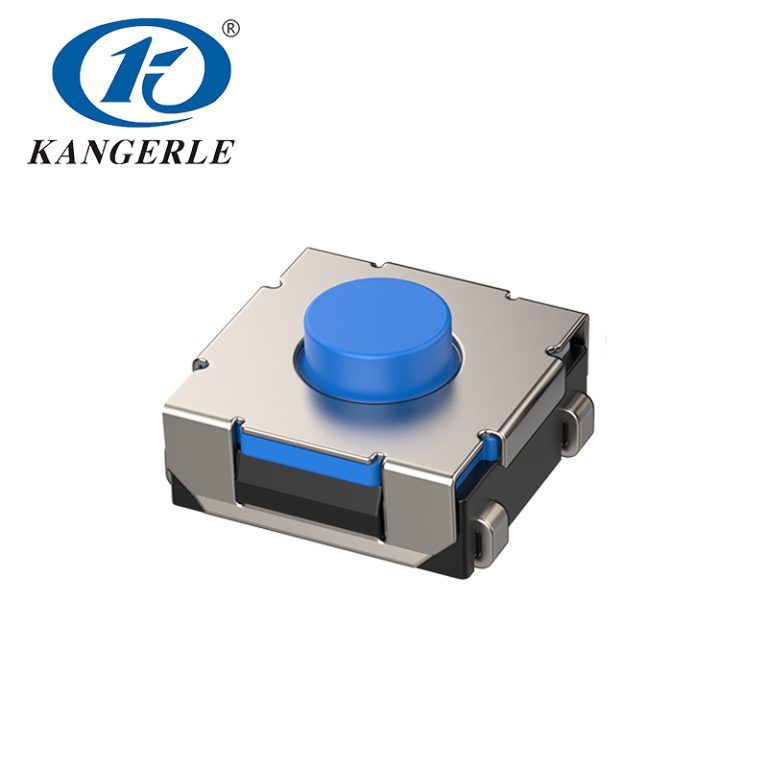
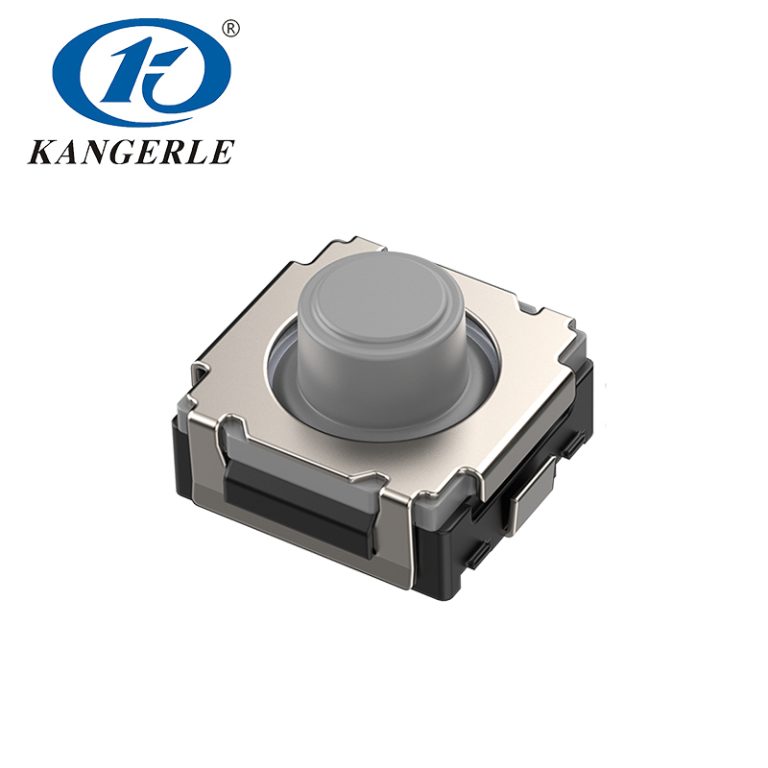
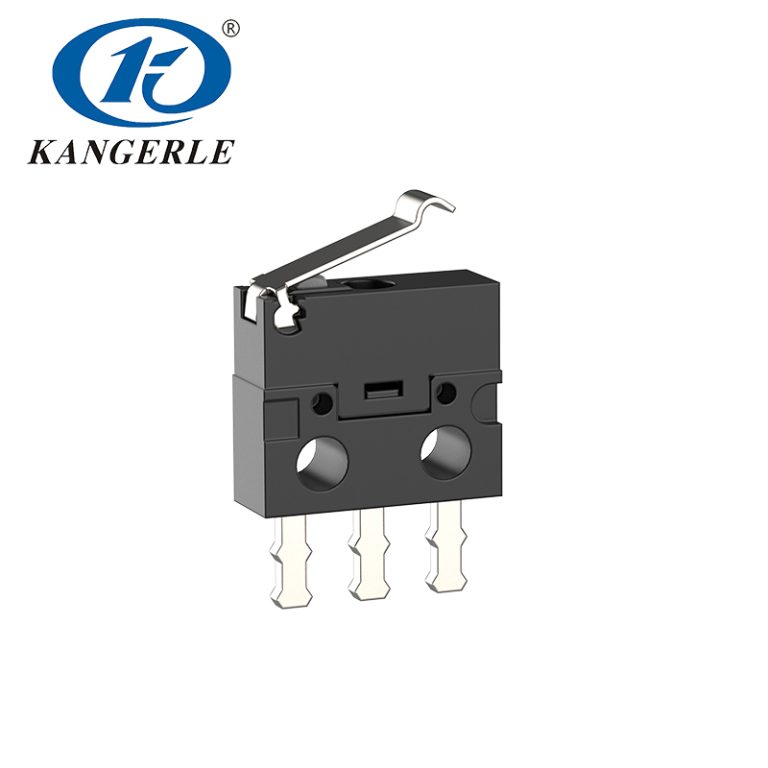
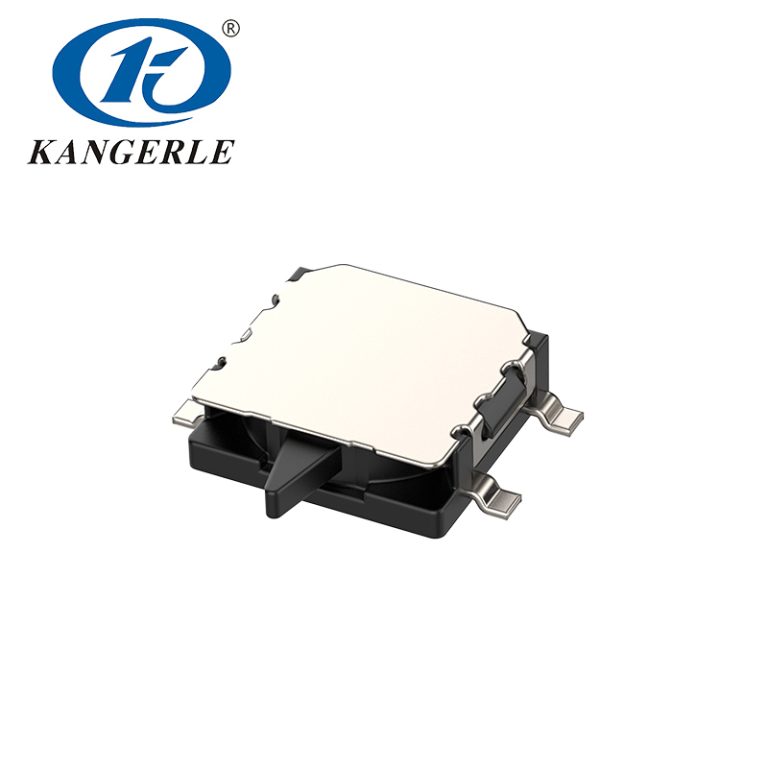
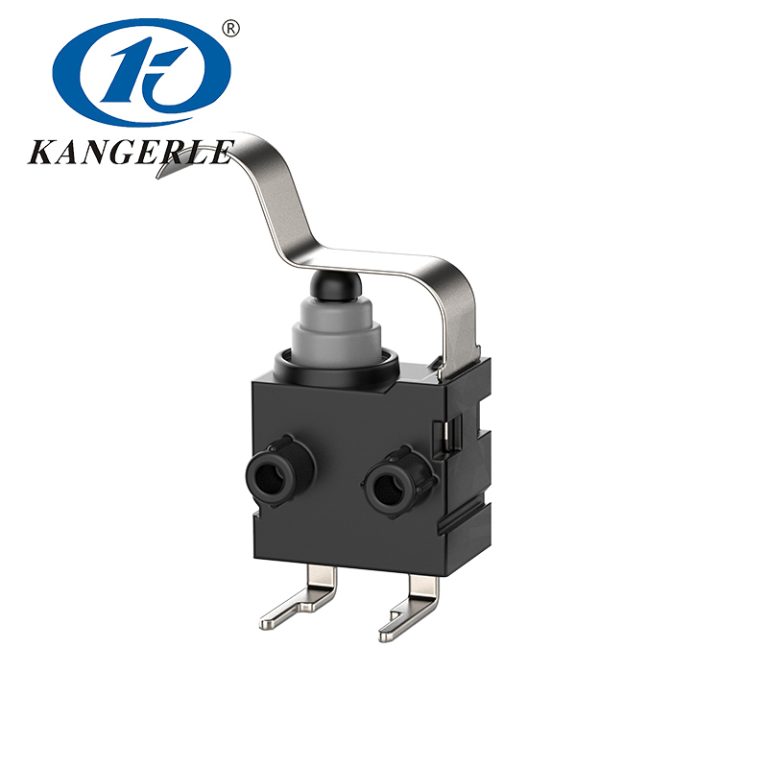
Tact switches are those little buttons you push on controls or keypads. They provide a snap you feel. But in medical gadgets, they do more than act as buttons. They aid in running tasks without using much room.
How Tact Switches Work
A tact switch links a path when you press it. It contains a curve inside that pops back, offering a sign. This pop lets you know the button did its job. In portable tools, this counts because people wear gloves or move quick.
Makers choose tact switches for their small build. Most go into narrow places, like less than 10mm across. They deal with low energy, often near 12V DC and 50mA. That helps batteries last more in mobile stuff.
Key Features for Medical Use
What fits tact switches for medical gadgets? Here is a fast rundown:
- Small Build: They fit into tight boxes without extra heaviness.
- Snap Feedback: The click stops slips in tense spots.
- Strength: Many hold up over 100,000 pushes, facing daily wear.
- Cover Choices: Some block dirt and wet, important for clean areas.
These traits keep tools steady. Think of a doctor with a gadget in a rush. The switches have to answer each time.
The Role of Tact Switches in Device Design
Tact switches form how handheld medical tools appear and handle. They are not just extras. They guide the full user feel. Let us break it apart.
Enhancing User Interface
In building, the person using it comes first. Tact switches make buttons easy to get. For instance, in a heart rate checker, switches allow menu moves or test starts. The sign calms you that it caught the push.
Without fine switches, folks might press hard or skip hits. That brings upset. Fine build uses tact switches for easy steps. They aid in growing faith in the gadget.
Placement and Ergonomics
Where switches sit matters. Builders put them where fingers rest easy. This lowers tiredness in long hours. Tact switches let for special forms, matching bent grips.
In a usual setup, switches bunch for fast reach. This hurries jobs like mode changes in a check scanner.
Ensuring Reliability and Safety
Medical gadgets need to run in hard spots. Tact switches add to that power. They stand shocks and shakes, common in carry use.
Meeting Standards
These switches often hit tough rules. They take heat changes from -10°C to 60°C. That is key for gadgets used inside or outside.
Here is a chart with usual traits that keep them steady:
| Feature | Typical Range | Why It Matters in Medical Tools |
|---|---|---|
| Push Force | 100-300 gf | Gives clear sign without hurt |
| Life Time | 100,000+ rounds | Takes often use over time |
| Link Resistance | ≤500 mΩ | Keeps even power flow |
| Block Resistance | ≥100 MΩ | Stops shorts in damp places |
This steadiness grows your name. Users recall gadgets that stay good.
Supporting Miniaturization
Portable tools get tinier all the time. Tact switches aid by being small but strong. They open room for power packs or views.
Integration Challenges
Putting switches in slim builds takes know-how. They must line with boards without holes. Bad fit leads to breaks. But right, it makes gadgets lighter and simpler to tote.
Picture a pocket heart wave watcher. Switches run on and sets in a tool that slips in a coat. This easy carry lifts maker names – their gadgets travel far.
Applications in Handheld Medical Tools

Tact switches appear in lots of gadgets. They take care of inputs where exact counts.
Specific Use Cases
In arm pressure wraps, switches begin checks. The snap feel confirms start, lowering mix-ups.
For heat takers, they switch measures or hold reads. In loud health spots, that snap saves.
Advantages Over Other Switches
Why tact instead of flat ones? Flats feel dull. Tact offers sign, cutting slips.
- Fine for covered hands.
- Less break from many pushes.
- Simpler to wipe.
These pluses make gadgets friendly, raising your firm name.
Future Trends
As gear grows, tact switches change too. Some add lights for eye hints. Others link without wires.
Adapting to New Needs
With smart checks in health, switches may start clever jobs. This holds builds new.
Builders who pick fresh switches shine. It displays new ideas, building name strength.
Challenges and Solutions
No bit is perfect. Tact switches meet troubles like rub or dirt.
Common Problems
Dust can stick switches. Lots of use wears curves.
How to Overcome Them
Pick covered kinds for guard. Check for tons of rounds.
Team with makers who tweak aids. They change push or build to match your plan.
This team builds tougher goods and links in the field.
About Zhejiang Kangerle Electronics Co., Ltd.
Zhejiang Kangerle Electronics Co., Ltd. shines as a dependable source of tact switches. Started in 1993 in Wenzhou, China, the firm centers on creating top electronic bits for many areas. With more than 30 years running, they have marks like ISO9001:2015 and IATF16949:2016. Their group has able builders and leaders who make over 50 million bits each month. They give special fixes to fit certain wants, aiding clients in steady goods. For local or world spots, they greet teams for finer builds.
Conclusion
Tact switches hold a main role in the design of handheld medical diagnostic tools. They raise ease, keep strength, and aid small makes. By choosing right ones, builders make gadgets that users like and count on. This betters sick care and lifts your name in a busy area. As health gear rises, these tiny bits will push big shifts.
FAQs
What is the main role of tact switches in the design of handheld medical diagnostic tools?
Tact switches deal with user hits with clear signs. They make gadgets simple to run, special in quick health spots. This role raises right and drops user slips.
How do tact switches better strength in handheld medical diagnostic tools?
They last through many pushes and fight outside stuff. In design, this role makes sure gadgets run steady, growing faith among health folks.
Why are tact switches picked for small builds in handheld medical diagnostic tools?
Their tiny build fits close spots without drop job. This role in design lets for lighter, easier carry gadgets that doctors tote simple.
Can tact switches get tweaked for certain roles in handheld medical diagnostic tools?
Yes, sources often change traits like push or cover. This matches odd wants of various gadgets, raising full run.
What coming changes might shift the role of tact switches in handheld medical diagnostic tools?
Fresh steps like built lights or smarter links could grow their role. They will back smart traits, making designs more new.