

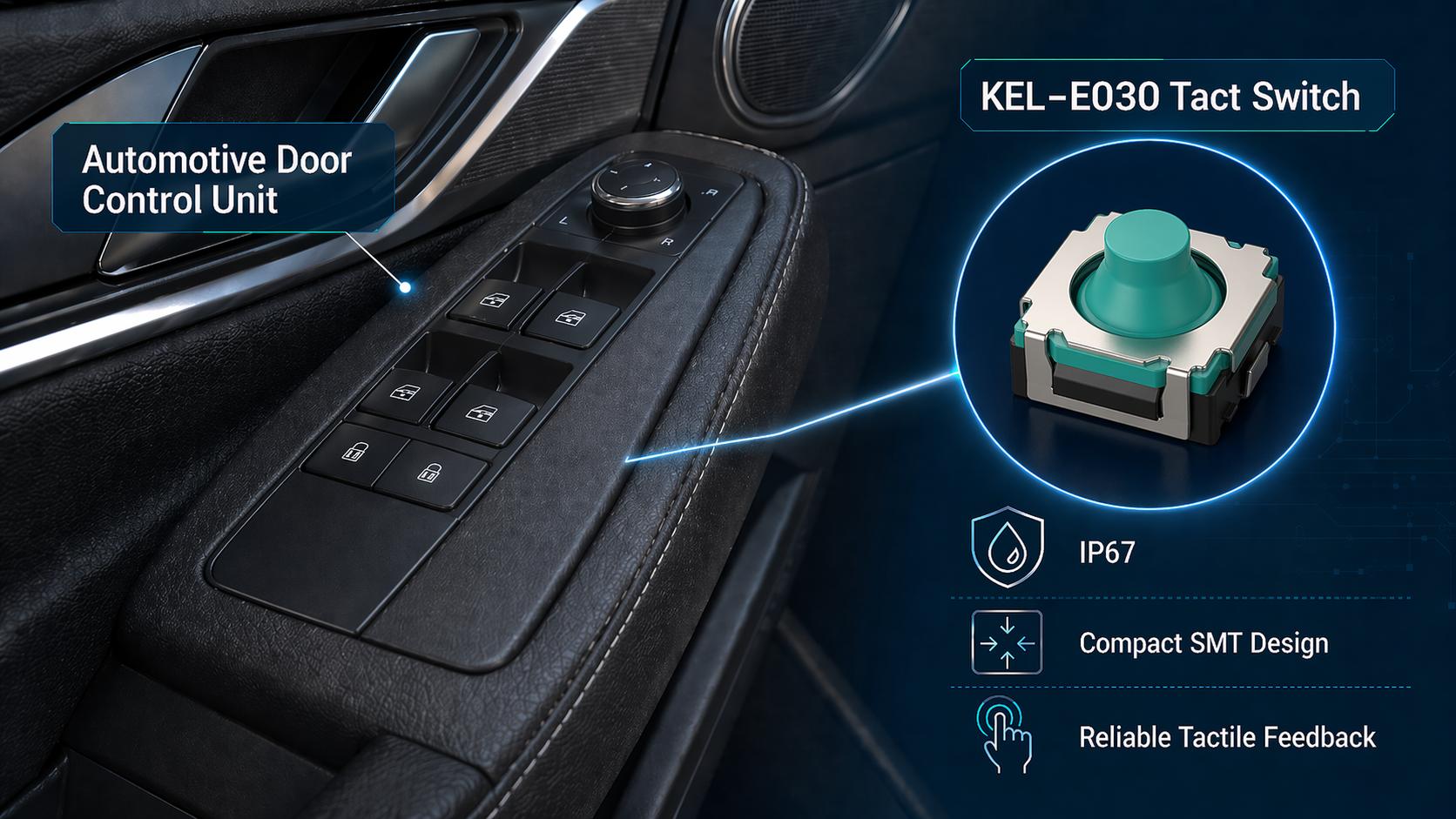
في وحدة التحكم الحديثة لأبواب السيارات، لا يُعدّ المفتاح تفصيلاً ثانوياً. فهو يقع خلف الوظائف التي يستخدمها السائقون يومياً: التحكم في قفل الأبواب، وتشغيل النوافذ الكهربائية، وضبط المرايا، وقفل النوافذ، بالإضافة إلى أزرار التحكم الصغيرة المضيئة على لوحة مفاتيح باب السائق. ومع ازدياد صغر حجم إلكترونيات الأبواب وتكاملها، بات على المفتاح اللمسي داخل الوحدة القيام بمهام متعددة في آن واحد. فهو يحتاج إلى استجابة ضغط واضحة، وإشارة خرج مستقرة، ومقاومة للغبار والرطوبة، وحجم مناسب للوحة الدوائر المطبوعة المزدحمة دون الحاجة إلى إعادة تصميمها. كما تتضمن وحدات التحكم في أبواب السيارات وظائف الراحة والسلامة، مثل التحكم في النوافذ لمنع الانحشار، والقفل المركزي، وطي المرايا، والإضاءة الإضافية، لذا فإن استقرار المفتاح يُعدّ أكثر أهمية مما كان عليه في ألواح الأبواب القديمة.
ما تحتاجه وحدة التحكم في أبواب السيارات من مفتاح اللمس
تعمل وحدة التحكم بالأبواب في بيئة ضيقة ومزدحمة. تحتوي اللوحة على محركات، وخطوط إشارة، وإضاءة، وموصلات، وأجهزة اتصال مدمجة في مساحة صغيرة. هذا يجعل اختيار المفتاح قرارًا متعلقًا بالنظام ككل، وليس مجرد اختيار مكون.
حجم صغير لوحدة تحكم باب مزدحمة
غالبًا ما تجمع وحدة مفتاح باب السائق بين وظائف رفع النوافذ، وقفل الأبواب، وقفل الأطفال، وتوجيه المرايا، وطيّها، والإضاءة في وحدة واحدة. يجب أن يتناسب المفتاح مع هيكل صغير الحجم مع توفير مساحة كافية لأغطية المفاتيح، وموجهات الإضاءة، وتصميم لوحة الدوائر المطبوعة. عمليًا، يدفع هذا المصممين نحو استخدام مفتاح لمس سطحي ذي ارتفاع محدد وشكل مربع مألوف. تحظى المكونات الشائعة من فئة 6.1 مم بشعبية واسعة لأنها تتناسب مع العديد من تصميمات واجهة المستخدم الرسومية للسيارات دون إهدار مساحة اللوحة.
شعور مريح أثناء القيادة اليومية
يتم لمس مفتاح لوحة باب السيارة بسرعة وبشكل متكرر. لا يتوقف السائقون للتفكير في مفتاح ضبط المرآة أو زر قفل النافذة. يجب أن يكون الضغط على المفتاح واضحًا، مع مقاومة كافية لتجنب الضغطات العرضية، ولكن ليس بقوة كبيرة تجعله يبدو قاسيًا. لهذا السبب، غالبًا ما يتم اختيار مفاتيح اللمس متوسطة المدى. فهي توفر حركة أكثر دقة ووضوحًا من المفاتيح قصيرة المدى، مما يُسهّل استخدامها في لوحة مفاتيح باب السائق حيث تتحرك اليد باللمس لا بالنظر.
إنتاج مستقر في بيئة قاسية
تتعرض وحدات التحكم في الأبواب لظروف قاسية بالنسبة للإلكترونيات، فهي عرضة للغبار والاهتزاز والرطوبة وتقلبات درجات الحرارة والاستخدام الميكانيكي المتكرر. يجب أن يحافظ المفتاح على مقاومة التلامس ضمن الحدود المسموح بها مع مرور الوقت، وأن يظل أداؤه ثابتًا حتى بعد آلاف الدورات في ظروف الاستخدام الفعلي. وهذا أمر بالغ الأهمية في وحدة التحكم في باب السيارة، حيث يمكن لإشارة ضعيفة واحدة أن تتسبب في عدم استجابة أمر القفل، أو عدم عمل زر المرآة، أو عدم استجابة مفتاح النافذة إلا عند الضغط عليه مرتين.
يعمل جهاز KEL-E030 داخل لوحة الباب
KEL-E030 يسهل فهمها عند استخدامها في مهام حقيقية للوحة الباب بدلاً من التعامل معها كمفتاح لمس عام. لا تحتاج الوحدة إلى نفس سلوك المفتاح عند كل نقطة لمس، ولكنها تحتاج إلى بنية أساسية موثوقة.
| وظيفة لوحة الباب | ما يجب أن يفعله المفتاح | لماذا يناسب KEL-E030 |
|---|---|---|
| مفتاح قفل الباب | اضغط ضغطة واضحة ومقصودة مع تثبيت الاتصال | تساعد قوة التشغيل المناسبة والشعور الملموس على منع الإدخالات غير الواضحة |
| زر قفل النافذة | تجنب التنشيط العرضي مع الحفاظ على سهولة العثور عليه باليد | يوفر هيكل الرحلة المتوسطة ردود فعل أكثر دقة |
| مفتاح ضبط المرآة | التعامل مع الضغطات القصيرة المتكررة أثناء تحديد الموضع الدقيق | تساعد الاستجابة السريعة في إدخالات الاتجاه المتكررة |
| طي المرآة أو زر الوضع | حافظ على موثوقيتك في ظل تغير درجات الحرارة والاهتزازات | يدعم تحمل درجات الحرارة على غرار السيارات والهيكل المحكم المتانة |
| مفاتيح الوظائف الإضافية على لوحة مفاتيح باب السائق | يمكن تركيبه في مساحة لوحة الدوائر المطبوعة الصغيرة باستخدام تقنية التجميع السطحي | يُعد التصميم المدمج من فئة 6.1 مم عمليًا لوحدات الأبواب الكثيفة |
تتحكم وحدات التحكم بالأبواب عادةً في النوافذ الكهربائية، وقفل الأبواب، وضبط مرآة الرؤية الخلفية، والتدفئة، والإضاءة، وفي كثير من الحالات، نظام منع الانحشار. هذا المزيج يفسر سبب ضرورة أن يوازن المفتاح الموجود في الوحدة بين جودة الملمس، والتصميم، والموثوقية على المدى الطويل، بدلاً من التركيز على معيار واحد فقط.
لماذا يُعدّ KEL-E030 مناسبًا لهذه الوظيفة؟
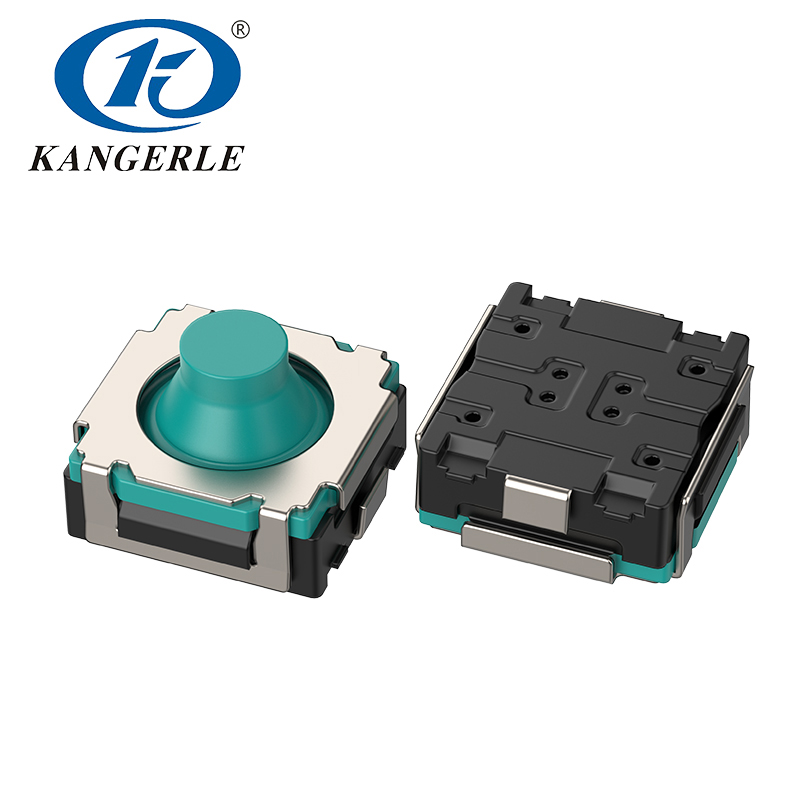
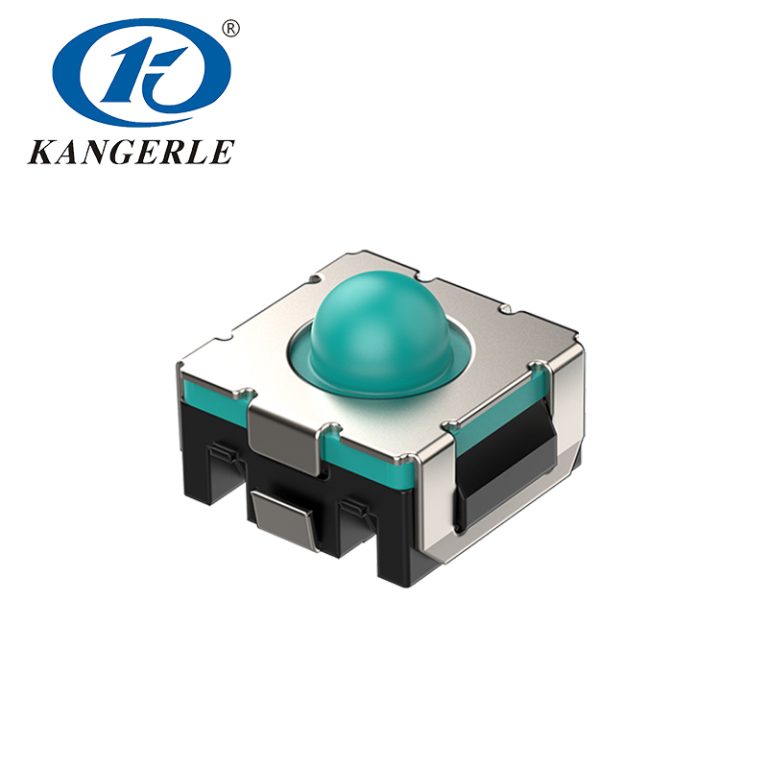
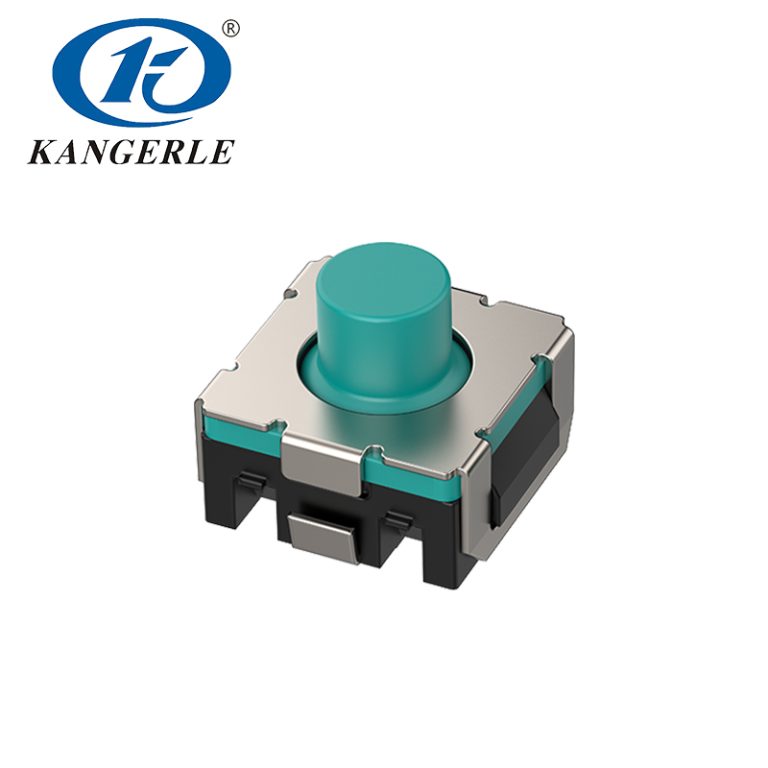
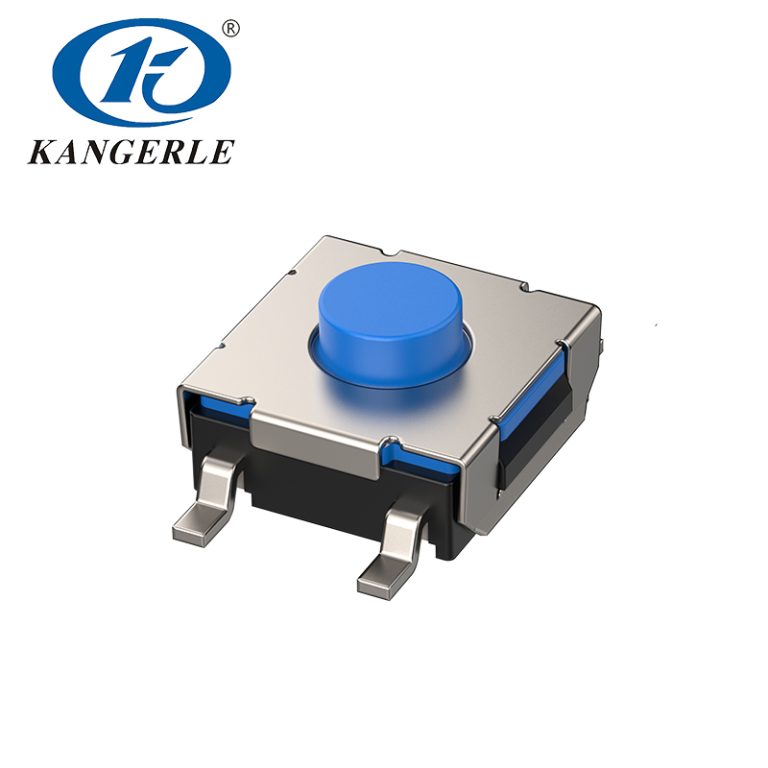
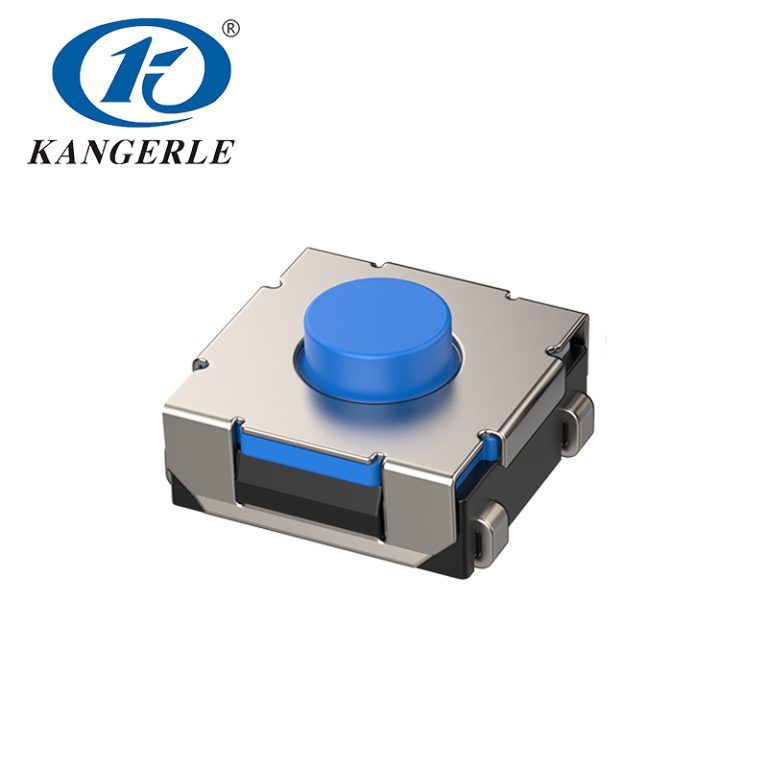
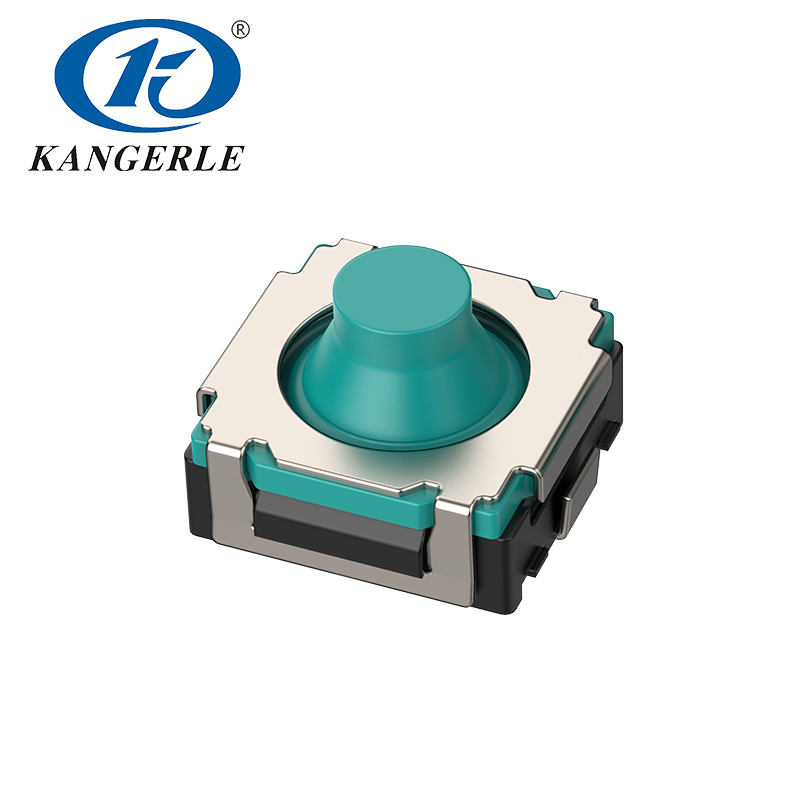
تكمن قيمة مفتاح KEL-E030 في توافق مواصفاته مع متطلبات وحدات التحكم في أبواب السيارات. يعمل هذا المفتاح بتيار 50 مللي أمبير/12 فولت تيار مستمر، بقوة تشغيل 380±50 غرام، وحساسية لمسية 50±10%، ومسافة حركة 0.75±0.1 مم، ومقاومة تلامس تصل إلى 500 مللي أوم، ومقاومة عزل لا تقل عن 100 ميجا أوم، ويتحمل 200,000 دورة ميكانيكية، وجهد تحمل 250 فولت/50 هرتز لمدة دقيقة واحدة. كما أنه حاصل على تصنيف IP67. وهو عبارة عن مفتاح تلامسي مربع الشكل، متوسط الشوط، يُركّب على السطح، بأبعاد 6.1 مم، مُصمم للتحكم في المركبات، ويتحمل درجات حرارة تتراوح بين -40 درجة مئوية و90 درجة مئوية.
تعتبر مجموعة المواصفات هذه منطقية بالنسبة لوحدة التحكم في الباب لثلاثة أسباب.
أولًا، قوة الضغط البالغة 380 غرامًا كافية لمفتاح قفل الباب أو مفتاح طي المرآة، حيث قد يؤدي ملمس الأجهزة الإلكترونية الاستهلاكية الناعم إلى لمسات غير مقصودة. ثانيًا، توفر مسافة الحركة البالغة 0.75 مم حركة كافية لاستجابة لمسية واضحة دون زيادة ارتفاع مجموعة المفاتيح. ثالثًا، تمنح حماية IP67 هذا الجزء ميزة حقيقية في لوحة الباب، حيث يصعب تجنب الرطوبة وبقايا التنظيف والغبار مقارنةً باللوحات الداخلية المحمية. في وحدة باب السيارة، يُعد هامش منع التسرب هذا مفيدًا.
مفتاح تكتيكي متوافق تمامًا كما يُسهم ذلك في جعل وحدة التحكم بأكملها أكثر اتساقًا. فعندما يكون ملمس الضغط على أزرار قفل النوافذ، واختيار المرايا، والقفل المركزي متساويًا، تبدو لوحة الباب أكثر متانة. وهذا أمر بالغ الأهمية في مشاريع تصنيع المعدات الأصلية وفي مجموعات مفاتيح الأبواب البديلة على حد سواء.
مقارنة بين مفتاح اللمس KEL-E030 وسلسلة ALPS SKTR
إن المقارنة المباشرة التي يهتم بها معظم المشترين هي تلك التي بين مفتاح اللمس KEL-E030 وعائلة ALPS SKTR، وخاصة مواصفات SKTRAEE010 التي تستخدم غالبًا كنقطة مرجعية لمفاتيح اللمس متوسطة المدى للسيارات 6.1 مم.
قبل النظر إلى الجدول، تكمن النقطة الأساسية في بساطة الأمر. ينتمي هذان الجزآن إلى نفس فئة التصميم: مفاتيح لمسية مربعة الشكل، بقياس 6.1 مم، تُركّب على السطح، تعمل بالضغط العلوي، ذات مسافة حركة متوسطة، مصممة خصيصًا للسيارات، وتتميز بمتانة تصل إلى 200,000 دورة تشغيل ومقاومة تلامس قصوى تبلغ 500 ملي أوم. لهذا السبب، يُعدّ KEL-E030 بديلاً عمليًا في برامج وحدات التحكم بأبواب السيارات التي بُنيت بالفعل على هذا النوع من المفاتيح.
| غرض | KEL-E030 | ALPS SKTRAEE010 |
|---|---|---|
| نوع المفتاح | مربع 6.1 مم، متوسط الشوط، تركيب سطحي | مربع 6.1 مم، متوسط الشوط، تركيب سطحي |
| قوة التشغيل | 380±50 غرام قوة | 3.8 نيوتن |
| يسافر | 0.75±0.1 مم | 0.72mm |
| عمر التشغيل | 200,000 دورة | 200,000 دورة |
| مقاومة التلامس | ≤500 ملي أوم | 500 ملي أوم كحد أقصى. |
| نطاق درجة الحرارة | من -40 درجة مئوية إلى 90 درجة مئوية | من -40 درجة مئوية إلى 90 درجة مئوية |
| التصنيف الكهربائي | 50 مللي أمبير 12 فولت تيار مستمر | 50 مللي أمبير 16 فولت تيار مستمر |
| ختم | IP67 | مكافئ لـ IP6X |
فيما يتعلق بالجوانب الوظيفية الأساسية، فإن التطابق متقارب للغاية. فمستوى القوة عمليًا من نفس الفئة، والمسافة بين المفاتيح متطابقة تقريبًا، وهدف المتانة هو نفسه. بالنسبة لوحدة التحكم في أبواب السيارات التي تستخدم هذا التنسيق ذو المسافة المتوسطة 6.1 مم، يمكن لمفتاح KEL-E030 أن يحل محل مفتاح ALPS SKTR-series بشكل كامل في العديد من التطبيقات، مع توفير مستوى إحكام أقوى نظريًا بحماية من الغبار بمعيار IP67 مقارنةً بمعيار IP6X.
هنا أيضاً يصبح التوريد جزءاً من النقاش الهندسي. في مواد تطبيقات السيارات الخاصة بشركة KANGERLE، يُدرج سعر KEL-E030 بحوالي 0.07 إلى 0.08 دولار أمريكي، مع فترة تسليم تتراوح بين 3 و10 أيام وإمكانية التخصيص. هذه المواد نفسها تجعل القطعة منافساً لـ SKTR كخيار أقل تكلفة وأسرع توريداً. بالنسبة لفرق المشتريات التي تعاني من ضغوط التكلفة وفترة التسليم، يُغير هذا الوضع مسار النقاش بسرعة.
ما الذي يجب على المهندسين والمشترين التحقق منه قبل اختيار مفتاح اللمس لوحدة الباب
عادةً ما يتم اتخاذ أفضل قرار استبدال من خلال قائمة مرجعية قصيرة، وليس من خلال مواصفات رئيسية واحدة.
- قم بمطابقة قوة التشغيل مع غطاء الزر وهيكل الإرجاع.
- تحقق من إجمالي مسافة الحركة وارتفاع مجموعة المفاتيح داخل لوحة باب السيارة.
- تأكد من مقاومة التلامس وسلوك الإشارة مع تصميم لوحة الدوائر المطبوعة الفعلي.
- قارن بين الحماية من الغبار والماء، وليس فقط الحجم الأساسي.
- راجع نطاق درجة الحرارة المناسب للتعرض طويل الأمد للباب.
- تحقق من مرونة المورد فيما يتعلق بالقوة والسفر والتعديل المخصص.
- انظر إلى وقت التسليم وسرعة أخذ العينات، خاصة بالنسبة لمشاريع استبدال مفاتيح الأبواب.
بمعنى آخر، مفتاح اللمس الجيد في السيارات ليس مجرد مفتاح. ففي وحدة باب السائق، يُعد جزءًا من الإحساس الميكانيكي، وجزءًا من مسار الإشارة، وجزءًا من نظام التزويد بالطاقة.
مزايا الشركة والمنتج وراء KEL-E030
لا يكون المفتاح البديل مفيدًا إلا إذا كان المورد قادرًا على دعم الإنتاج. شركة تشجيانغ كانجيرلي للإلكترونيات المحدودة تأسست الشركة في ونتشو مطلع التسعينيات، وتتمتع بخبرة تزيد عن عشرين عامًا في تصنيع المفاتيح الكهربائية. تضم الشركة أكثر من 20 مهندسًا، و50 فنيًا، و40 مديرًا، وتطبق أنظمة إدارة الجودة ISO9001:2015 وIATF16949، ويبلغ إنتاجها الشهري أكثر من 50 مليون قطعة. تشمل منتجاتها فئات متعلقة بالسيارات، مثل مفاتيح اللمس، ومفاتيح الإضاءة، ومفاتيح المقاعد، والموصلات. أما خدمات تصنيع المعدات الأصلية/تصميم المعدات الأصلية فتتضمن تعديلات على المواد، والأبعاد، وقوة التشغيل، والمسافة بين المفاتيح، ومتطلبات التيار، والاستخدام في بيئات خاصة.
هذا الأمر بالغ الأهمية لسبب رئيسي: مفتاح اللمس KEL-E030 من شركة KANGERLE ELECTRONICS قادر على استبدال وظيفة مفتاح من علامة تجارية رائدة في هذه الفئة بشكل كامل، مع توفير وقت تسليم أقصر، وسعر أقل، وإمكانية التخصيص. في مشاريع وحدات التحكم بالأبواب، لا تُعدّ هذه مزايا ثانوية، بل تؤثر على توقيت الإطلاق، ومخاطر المخزون، وسهولة تعديل التصميم ليناسب إحساسًا مختلفًا للزر أو تصميمًا مختلفًا للهيكل. كما توفر الشركة قنوات مباشرة لطلب عروض الأسعار وبيانات المنتج عبر صفحة الاتصال الخاصة بها، وهو أمر مفيد عندما يحتاج المشتري إلى عينات أو فحص فني سريع.
خاتمة
بالنسبة لوحدات التحكم في أبواب السيارات، يُعدّ KEL-E030 الخيار الأمثل لأنه يلبي الاحتياجات الفعلية للوحدة بدلاً من التركيز على مواصفات محددة. فهو صغير الحجم بما يكفي لوحدة مفاتيح أبواب السيارات ذات الكثافة العالية، ومتين بما يكفي للاستخدام اليومي المكثف، ومحكم الإغلاق بما يكفي لتحمل الظروف القاسية داخل الباب. يتوافق تصميمه الكهربائي والميكانيكي بشكل كبير مع فئة ALPS SKTR المرجعية، وفي تصميمات ألواح أبواب السيارات العملية، يمكن استخدامه كبديل كامل الوظائف مع توفير تكلفة أقل ووقت تسليم أقصر. تصنيع المعدات الأصلية/تصميم المعدات الأصلية المرونة. بالنسبة للمشترين الذين يقومون ببناء أو استبدال مفتاح نافذة كهربائية، أو مفتاح ضبط المرآة، أو لوحة مفاتيح باب السائق، يصعب تجاهل هذا المزيج.
الأسئلة الشائعة
هل يمكن استخدام KEL-E030 في وحدة التحكم بأبواب السيارات؟
نعم. تتوافق مواصفاته تمامًا مع احتياجات وحدة التحكم في أبواب السيارات: حجم صغير للتركيب السطحي، مسافة حركة متوسطة، قوة تشغيل ثابتة، متانة تصل إلى 200,000 دورة، وحماية محكمة الإغلاق بمعيار IP67. هذه الخصائص مناسبة لأقفال الأبواب والمرايا والنوافذ في وحدة التحكم بالأبواب.
هل يمكن أن يحل جهاز KEL-E030 محل سلسلة ALPS SKTR؟
بالنسبة للعديد من تصميمات وحدات التحكم في أبواب السيارات المبنية على شكل مفتاح مربع 6.1 مم، ذي ضغط علوي ومسافة حركة متوسطة، والممثل بالرمز SKTRAEE010، يمكن لـ KEL-E030 أن يحل محل وظيفة جزء ALPS من سلسلة SKTR بشكل كامل. يتطابق الاثنان بشكل كبير من حيث فئة القوة، ومسافة الحركة، ومقاومة التلامس، وعمر التشغيل، ونطاق درجة الحرارة.
لماذا يُعدّ معيار IP67 مهماً في وحدة مفتاح باب السيارة؟
تقع وحدة مفتاح باب السيارة في منطقة معرضة للغبار والرطوبة والاهتزازات وتقلبات درجات الحرارة. يوفر مانع التسرب المصنف بمعيار IP67 حماية إضافية ضد التلوث الذي قد يؤثر على استجابة المفتاح واستقرار الإشارة على المدى الطويل، خاصةً في المفاتيح المستخدمة بكثرة مثل أزرار قفل النوافذ والأبواب.
هل جهاز KEL-E030 مخصص لوظيفة واحدة فقط في السيارات؟
لا. يمكن استخدام نفس تنسيق مفتاح اللمس عبر نقاط التلامس المتعددة في لوحة الباب، بما في ذلك التحكم في قفل الباب، وضبط المرآة، وطَيّ المرآة، وقفل النافذة، والمفاتيح المساعدة الأخرى على لوحة مفاتيح باب السائق، طالما أن المجموعة الميكانيكية وهدف القوة يتناسبان مع التصميم.
ما هي مزايا التوريد التي تقدمها شركة KANGERLE لمنتج KEL-E030؟
تقدم شركة KANGERLE مفتاح KEL-E030 كخيار أقل تكلفة وأسرع في التسليم مع دعم للتخصيص. كما تُشير الشركة إلى خبرتها الواسعة في تصنيع المفاتيح، وشهاداتها في أنظمة الجودة الخاصة بالسيارات، وإنتاجها الشهري المرتفع، وقدرتها على تصنيع المعدات الأصلية (OEM) وتصميمها (ODM) لتلبية متطلبات القوة، والمسافة، والأبعاد، والمواد، والبيئات الخاصة.